深圳市冠萃教育文化有限公司

“只要一不合他的心意,一言不合就扔东西……”
“有的时候也不知道怎么了,突然就生气大喊大叫……”
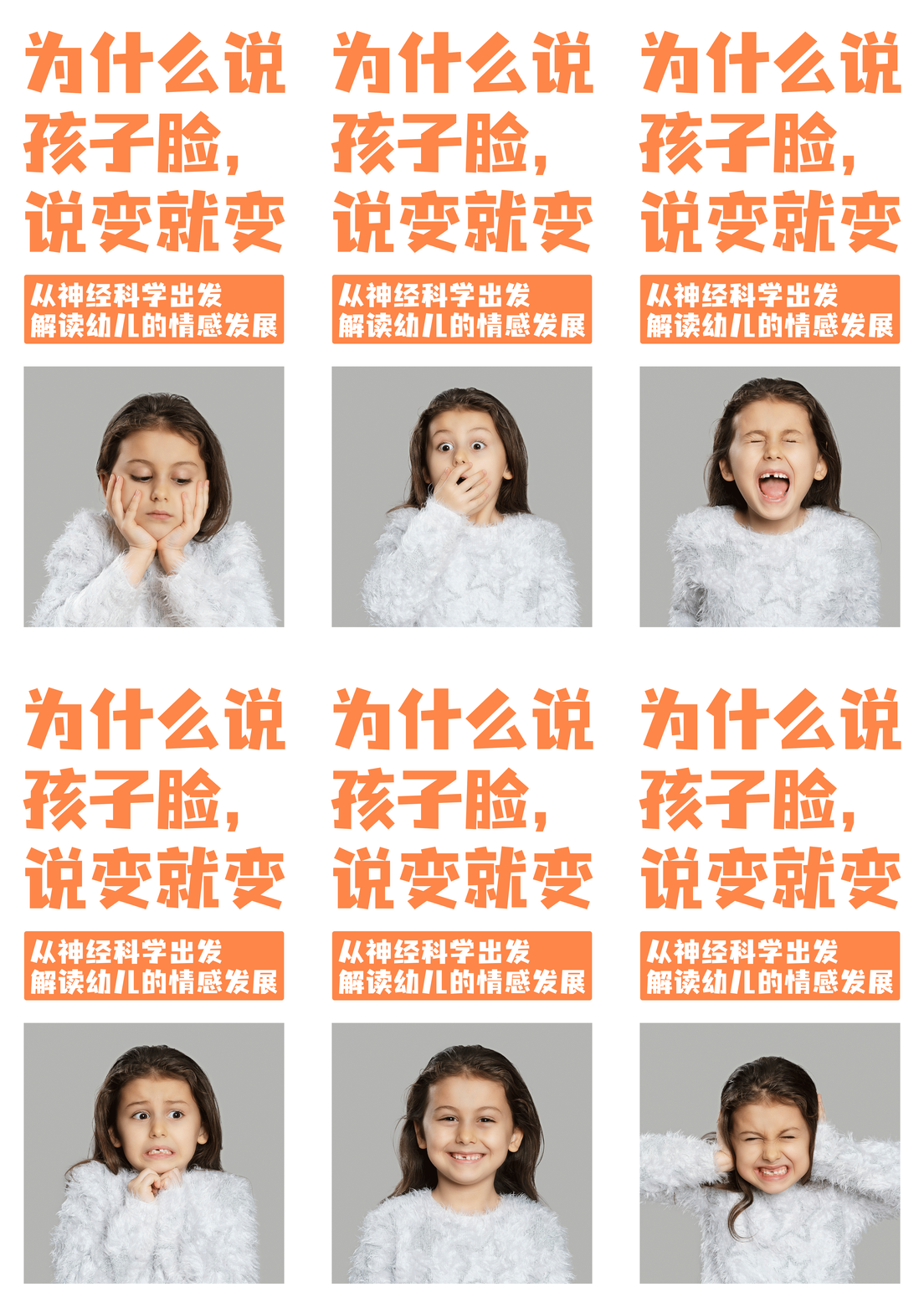
孩子一生气就扔东西、尖叫、打人、耍赖皮……这些场景,您是否有过似曾相识的感觉呢?
面对这些,您或许会因见怪不怪而直接平静忽略;或许会被孩子的情绪所感染而感到内心焦躁,“哭什么哭,再哭我就把你的玩具扔出去”;也或许会因为长期的劝诫无效而感到无奈,“我都跟你说了这么多次了,不要吵不要吵,怎么就记不住呢”;更或许在某天夜深人静时,您轻轻抚摸着她熟睡的小脸时,心里不由得发出感慨,“哎呀我这么可爱的宝贝,怎么就这么喜欢发脾气呢? 我跟她爸爸也不是脾气大的人呀?这究竟是为什么呢?”
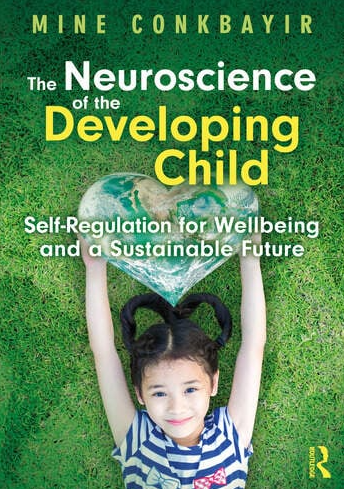
Mine Conkbayir 在她的著作《发育中儿童的神经科学》(The Neuroscience of the Developing Child)的节选中对此进行了解释。
Swipe For English→
"Whenever it's not to my kid's liking, he throws things at the drop of a hat ……"
"Sometimes I don't know what's happening, and suddenly he gets angry and yells……"
Throwing things, screaming, hitting and playing tricks when angry …… Have you ever had a sense of déjà vu with these scenarios?
In the face of these, you may not be strange and directly ignored; you may be infected by the child's emotions and feel the inner anxiety, "Stop crying. Otherwise, I will throw your toys out," perhaps because of a long period of ineffective exhortation and feeling helpless, "I've told you so many times, don't make noise, don't cry, why can't you remember it?"; or perhaps in the dead of night, you gently stroked her sleeping face; you can't help but feel, "Oh, my dears; why do you like to lose your temper so much? Why, why, why?"
Why do some children ‘flip their lid’? Mine Conkbayir explains in this edited extract of her book The Neuroscience of the Developing Child.
←Swipe For Chinese

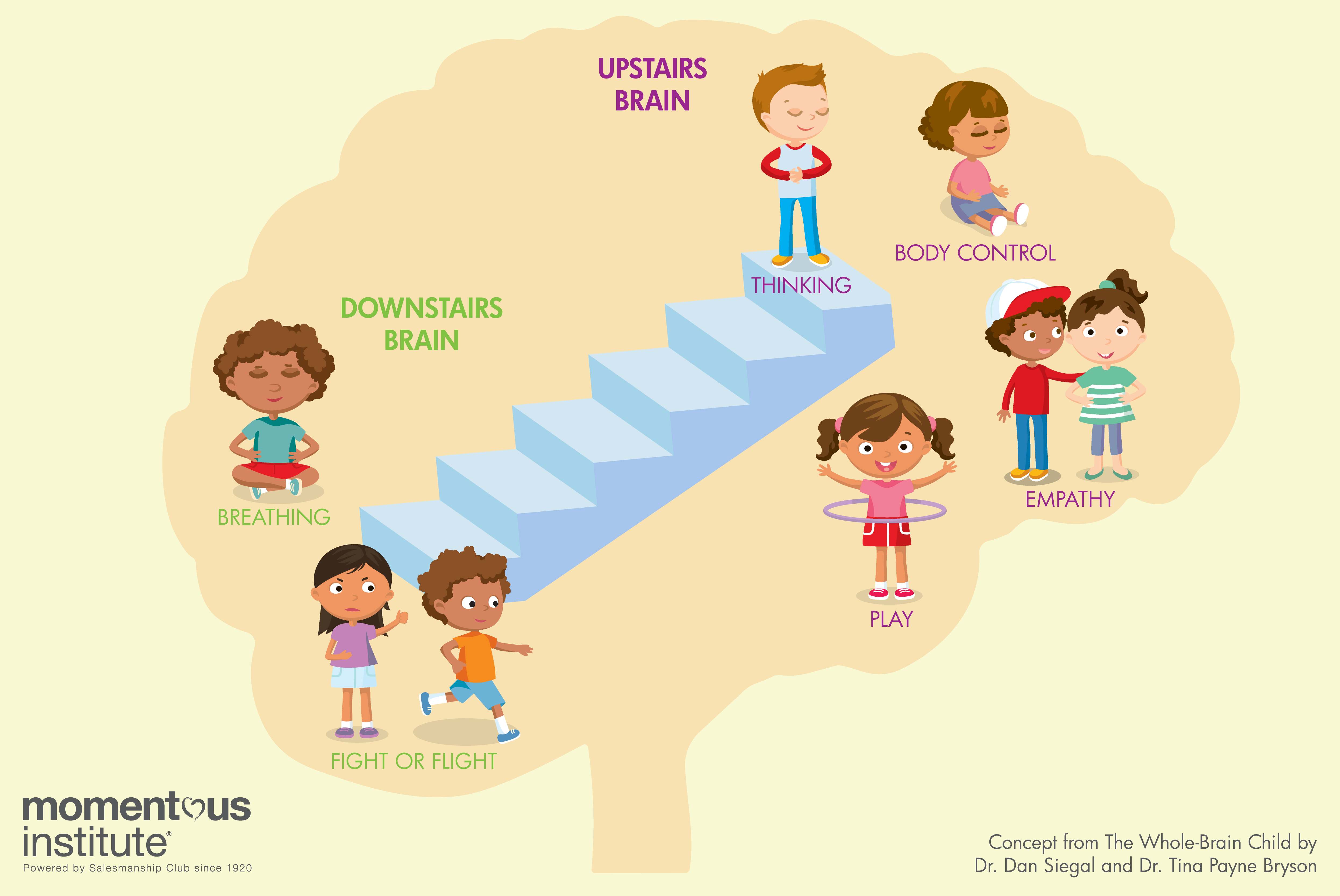
提到大脑发育,相信各位朋友比较熟悉的是“左脑”和“右脑”发育。那么除了孩子左脑和右脑之间的水平整合之外,美国神经科学家Dan Siegel博士认为,促进大脑下部和上部区域之间的垂直整合也很重要,这被称之为,“楼上大脑”和“楼下大脑”。而这一概念或许就能让我们更清楚地了解幼儿“发脾气”情绪失控的背后原因。
请先将我们的大脑想象成一座两层楼的房子。
Swipe For English→
When it comes to brain development, you may be more familiar with "left brain" and "right brain" development. In addition to the horizontal integration between the left brain and the right brain of a child, American neuroscientist Dr Dan Siegel believes that it is also essential to promote vertical integration between the lower and upper regions of the brain, which are called the "upstairs brain" and the "downstairs brain. ". This concept may give us a clearer understanding of the reasons behind toddlers' "tantrums" and emotional outbursts.
Please start by visualizing our brain as a two-story house.
←Swipe For Chinese


楼下的大脑
The downstairs brain
下脑包括脑干和边缘系统,位于颈部顶部和鼻梁之间。下脑控制基本生理功能以及膝跳反应,会在您思考之前就做出本能行动反应,这对于我们的生存和安全至关重要。这些功能包括:
1. 基本功能——呼吸、眨眼、心跳、畏缩、消化等。
2. 先天反应——战斗、逃跑、冻结和失败。
3. 产生愤怒、恐惧等强烈情绪
Swipe For English→
The downstairs brain encompasses the brainstem and limbic region, which are located between the top of your neck and the bridge of your nose. The downstairs brain controls basic functions, as well as knee-jerk reactions, enabling you to act before you think, which can be crucial for survival and safety. These functions include:
i. Basic functioning – breathing, blinking, heart beating, flinching, digestion etc.
ii. Innate responses – fight, flight, freeze and flop.
iii. Producing strong emotions such as anger and fear.
←Swipe For Chinese


楼上的大脑
The upstairs brain
上脑比下脑复杂得多,上脑由大脑皮层的各个部分组成,位于前额后方和头顶正下方。上脑负责一些高阶思考,让您能够进行高阶思考、计划、想象、分析和解决问题,推测后果以及您的行为可能对他人产生的影响。这些过程包括:
1. 分析性思维
2. 规划和决策
3. 情绪和身体控制
4. 自我理解
5. 道德
6. 共情
那么在“楼上”和“楼下”大脑之间,有一个连接的“楼梯”,它们将信息上下传递,往返于大脑的不同部分。我们大脑的两个区域需要协同工作才能正常运作。楼上的大脑会缓和楼下大脑的冲动和强烈情绪,而楼下的大脑则会将情绪和直觉贡献给楼上的决策。然而,幼儿的“楼上”和“楼下”大脑往往很难协同工作。
这是因为“楼上大脑”需要到25岁左右的时候才能逐渐发育成熟,对于孩子来说,他们的“楼上大脑”基本处在发育阶段,功能并不完善。而“楼下大脑”的边缘系统则发展得更快一些。因此,当孩子感受到威胁或愤怒时,本应帮助他们保持冷静的大脑“楼上”部分尚未发育成熟,还暂时无法跟上“楼下大脑”的发育速度,所以也就难以理解和抑制“楼下”大脑所产生的强烈情绪反应。这也就是为什么那些感到威胁或处于焦虑的孩子会难于有效地控制和调节自己的情绪和行为问题的根本所在。
当孩子产生情绪问题时,他们的行为往往会被误认为是“淘气”或 “挑战”,孩子可能会受到训斥或某种惩罚(比如被要求“暂停”)。然而,神经科学告诉我们,这其实与幼儿大脑的正常发育速度密切相关。如果我们一味地批评指责反而会错失良机,对孩子的心理造成伤害。
Swipe For English→
The upstairs brain is significantly more sophisticated than the downstairs brain and comprises the various parts of the cerebral cortex, which sits behind your forehead and right under the top of your head. The upstairs brain is responsible for high-level thinking, allowing you to think through context, consequences, and the impact your actions may have on others. These processes include:
i. Analytical thinking
ii. Planning and decision-making
iii. Emotional and physical control
iiii. Self-understanding
iiiii. Morality
iiiiii. Empathy
Between the ‘upstairs’ and ‘downstairs’ brains is a connecting ‘staircase’. This is the network of neurons and synapses that carry information up and down, to and from the different parts of the brain. Both areas of our brain need to work together for us to function well. The upstairs brain tempers the impulses and strong emotions of the downstairs brain, while the downstairs brain contributes emotions and gut instincts to upstairs decision-making.However, young children's ‘upstairs’ and ‘downstairs’ brains often struggle to work together.
One the one hand, the upstairs brain does not reach full development until our mid-twenties, and for children, this part of the brain is not capable of functioning all of the time.On the other hand, the limbic system of the downstairs brain develops much more quickly. Therefore, when a child perceives a threat or becomes angry, the ‘upstairs’ part of the brain, which should help them to stay calm, has not yet developed enough to understand and restrain the powerful emotional reactions created in the ‘downstairs’ brain. This is at the root of why children who feel threatened or are in a state of anxiety can have difficulty effectively controlling and regulating their emotions and behavioural problems.
When a child ‘flips their lid’, their behaviour is often mislabelled as ‘naughty’ or ‘challenging’, and the child may be reprimanded or punished in some way (told to take a ‘time out’, for example). However, neuroscience tells us that this is closely related to the average rate of brain development in young children. If we criticise and blame, it will be a missed opportunity and psychologically damaging to the child.
←Swipe For Chinese

那么,我们究竟要怎么做呢?
此时,孩子真正需要的是成人的共同调节,帮助他们回到安全的心理状态,同时让他们从这次经历中吸取教训。这也将教会他们今后在类似情况下如何处理,以***终实现自我调节。所以,我们的主要任务是帮助他们:
1. 引导幼儿认识识别出自己的情绪
Swipe For English→
So, is there anything we can do?
What the child really needs in this moment is co-regulation from an adult to help them return to a safe psychological state while enabling them to learn from the experience. This will also teach them how to manage in similar situations in the future – ultimately, to self-regulate. So our main missions are:
i. Guiding children to recognize and identify their own emotions
←Swipe For Chinese


2. 明白自己产生情绪的原因
Swipe For English→
ii. Understand the reasons for your emotions
←Swipe For Chinese

3. 教他们学会如何调节或转移自己的情绪
Swipe For English→
iii. Teach them to learn how to regulate or shift their emotions
←Swipe For Chinese


4. 学会下一次可以如何以合适的方式表达并调节自己的情绪
Swipe For English→
iiii. Learn how you can express and regulate your emotions in an appropriate way next time
←Swipe For Chinese


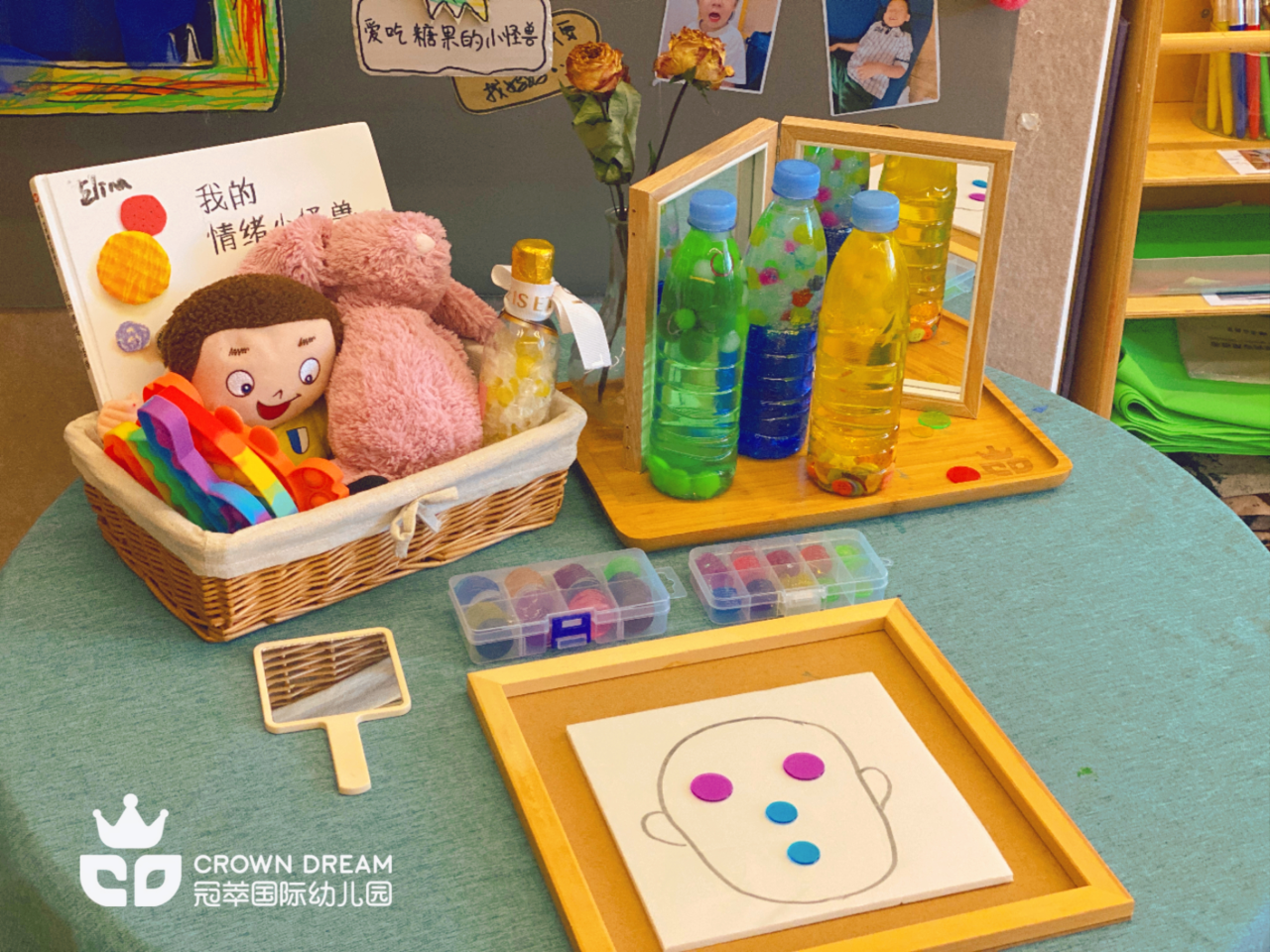
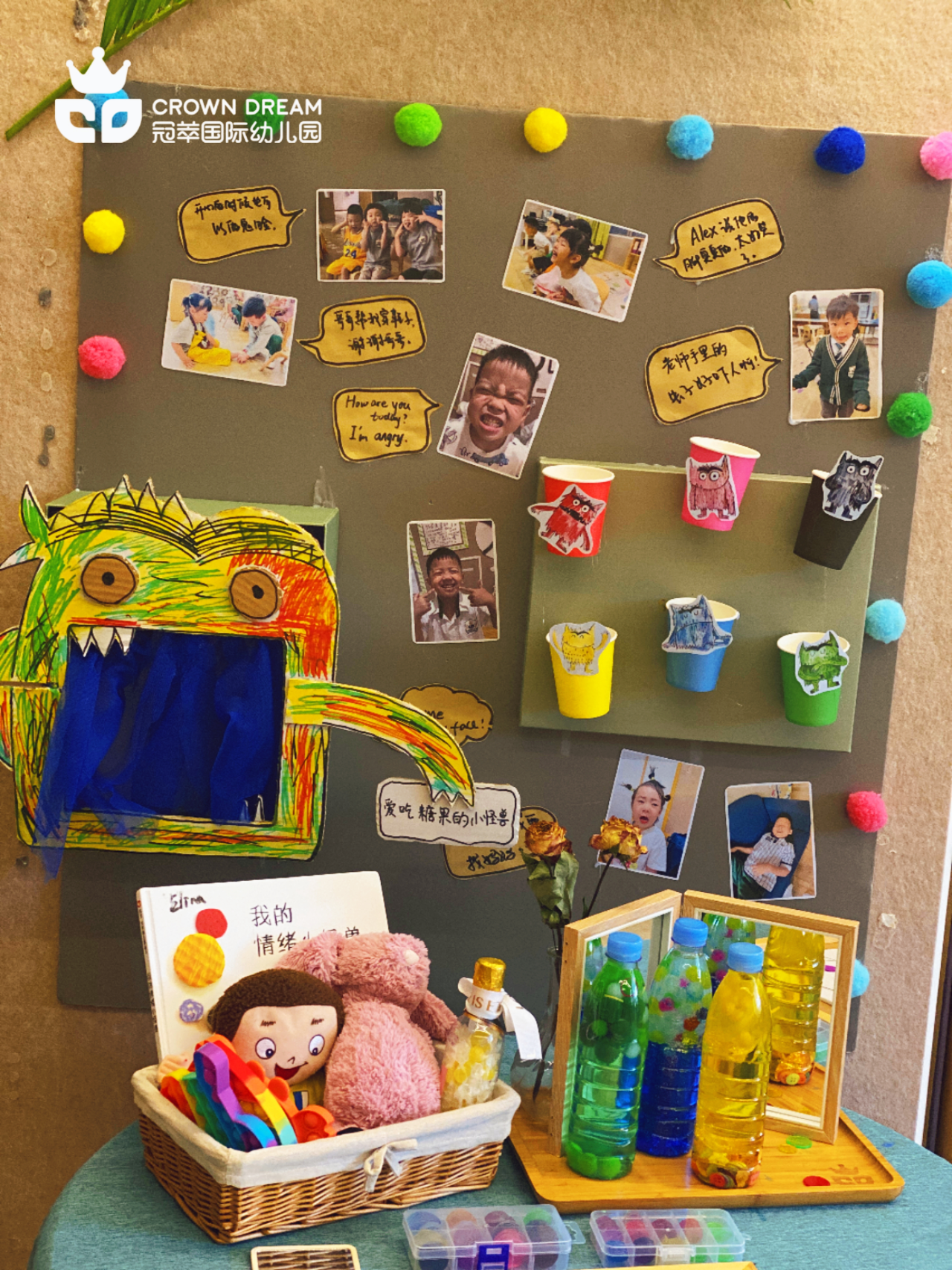
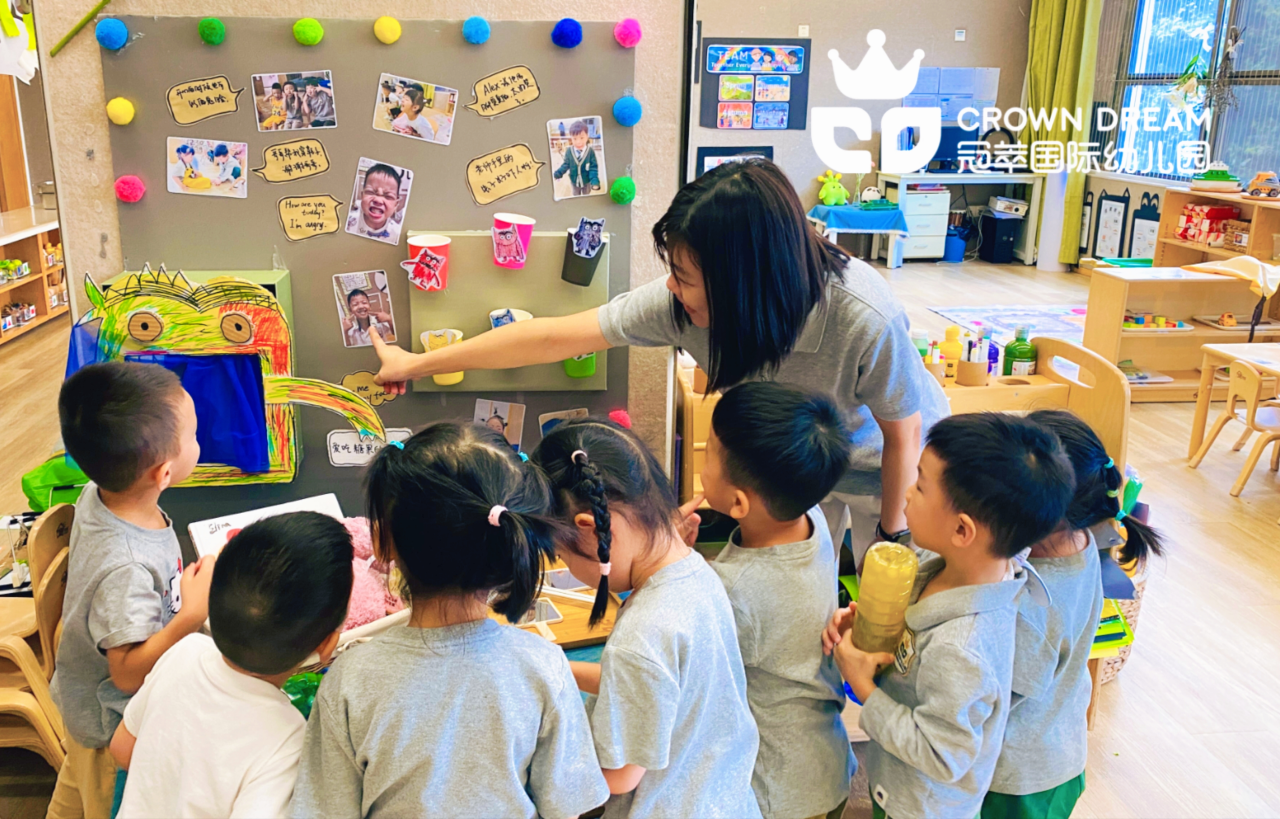
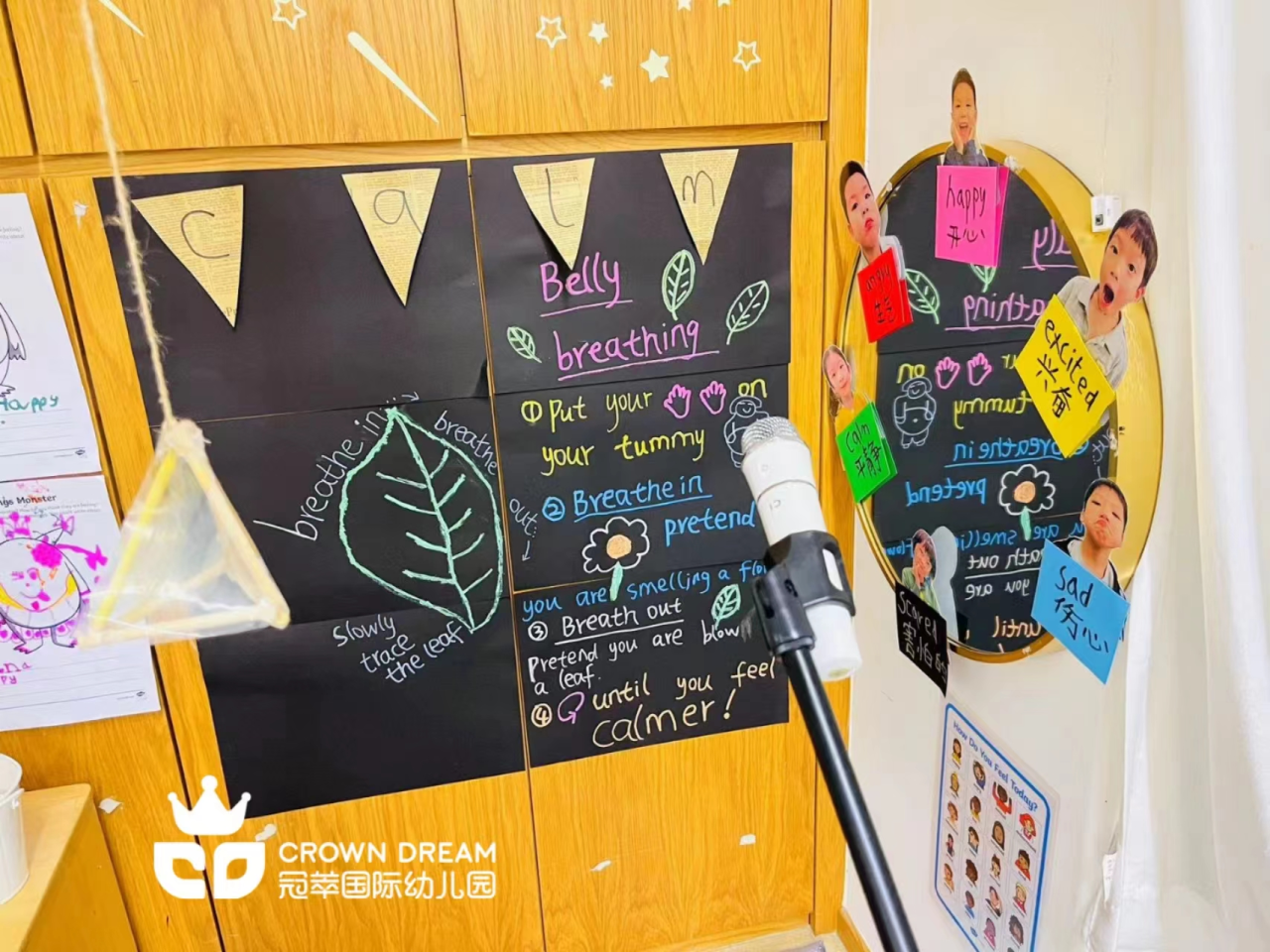
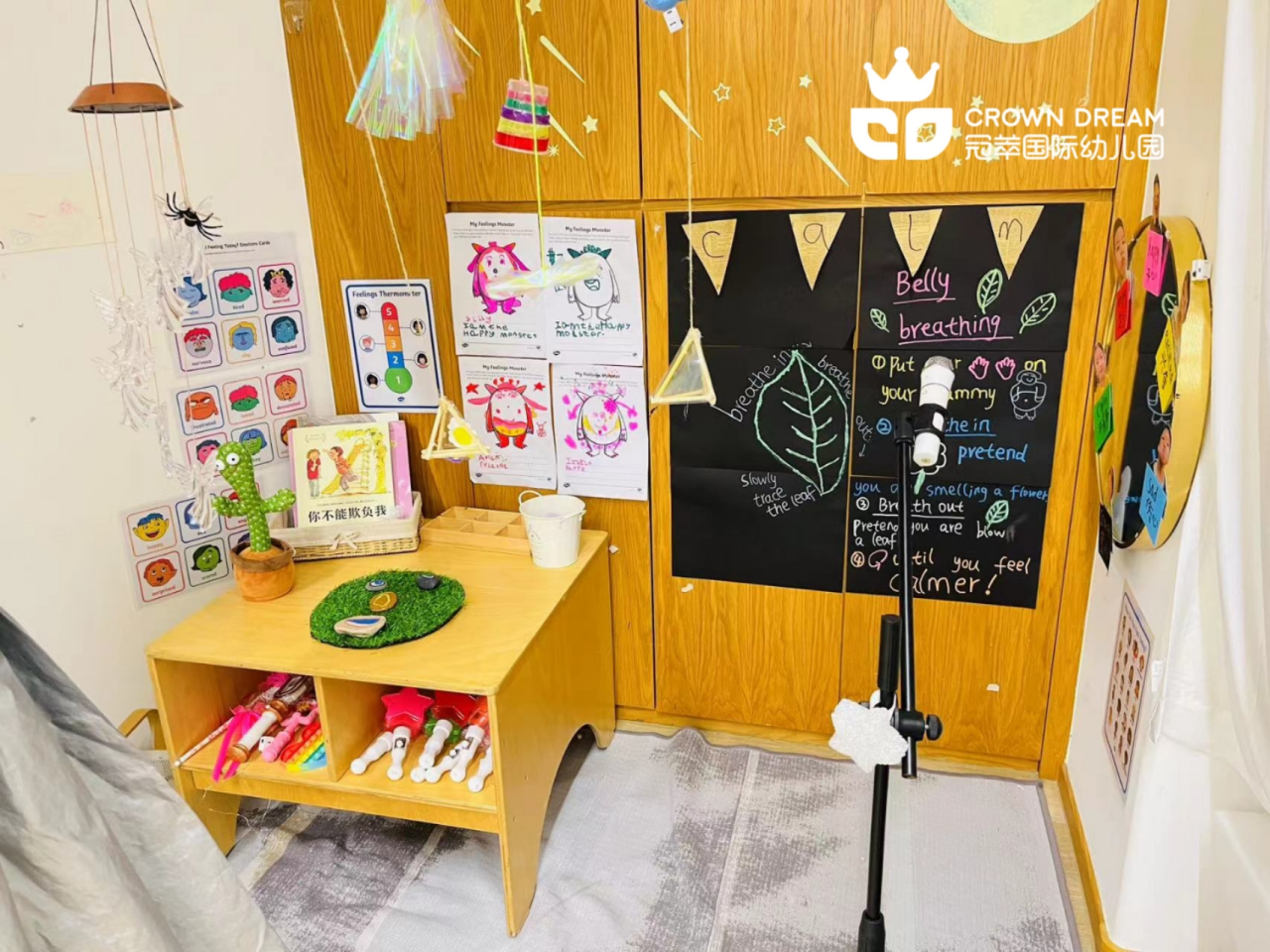
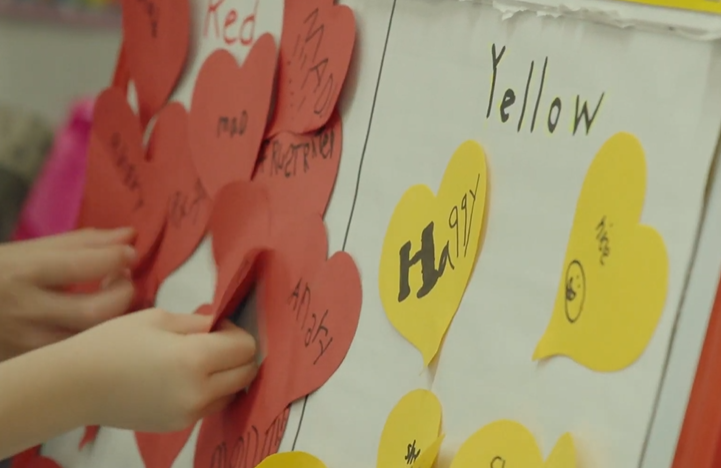
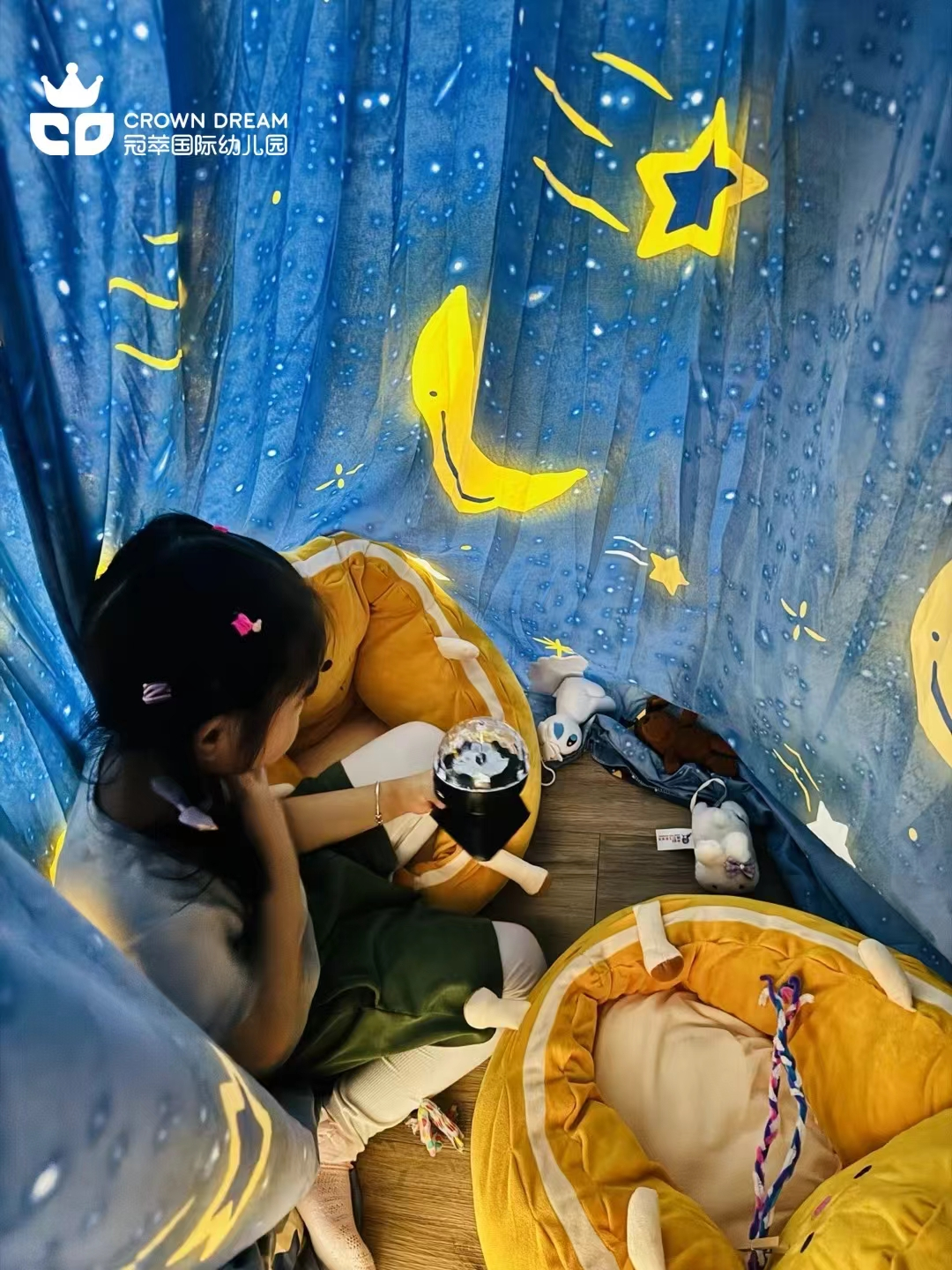
在脑神经科学的指引下,冠萃遵循并尊重每位幼儿的发展轨迹,致力于探寻并与幼儿分享那些能够在感到压力、不安、过度刺激、愤怒或恐惧时可以使用的应对策略。与此同时,通过在日常生活中与幼儿建立的积极的人际关系,我们给幼儿提供了足够的安全感与信任感,以在他们产生情绪问题时能够帮助他们卸下防备,自信地利用他们情绪调节包中的工具,***终帮助自己并变得更加独立。那么关于冠萃对于幼儿情感发展和情绪调节的具体策略,请跳转至链接“Social and Emotional Learning| 耶鲁大学RULER社会情感学习实践在学前教育领域的应用”,希望能带给大家更多的思考和启发,让我们携手共进,为更多幼儿的健康科学成长保驾护航。
Swipe For English→
Guided by the neuroscience of the brain, CrownDream follows and honours each child's developmental trajectory and is committed to exploring and sharing coping strategies that can be used when children feel stressed, upset, overstimulated, angry or fearful. At the same time, through the positive relationships we build with our children in their daily lives, we provide them with the security and trust they need to help them unlearn their defences when they have emotional problems, confidently utilize the tools in their emotional regulation kit, and ultimately, help themselves and become more independent. For more information about our strategies for young children's emotional development and regulation, please go to the link "Social and Emotional Learning| Yale RULER Social Emotional Learning Practices in Preschools", which I hope will bring you more thoughts and inspiration. Let's work hand in hand to protect more young children's health and scientific growth.
←Swipe For Chinese
▲ 其他机构、私人不得擅自转载文中任何图片,
如文中肖像者本人或监护人对照片使用有疑问,
请留言联系我们,谢谢!
END