


Reading Corner|徜徉书海,让阅读成为孩子的***
作者:冠萃教育
浏览:
发表时间:2020-07-14 16:39:56
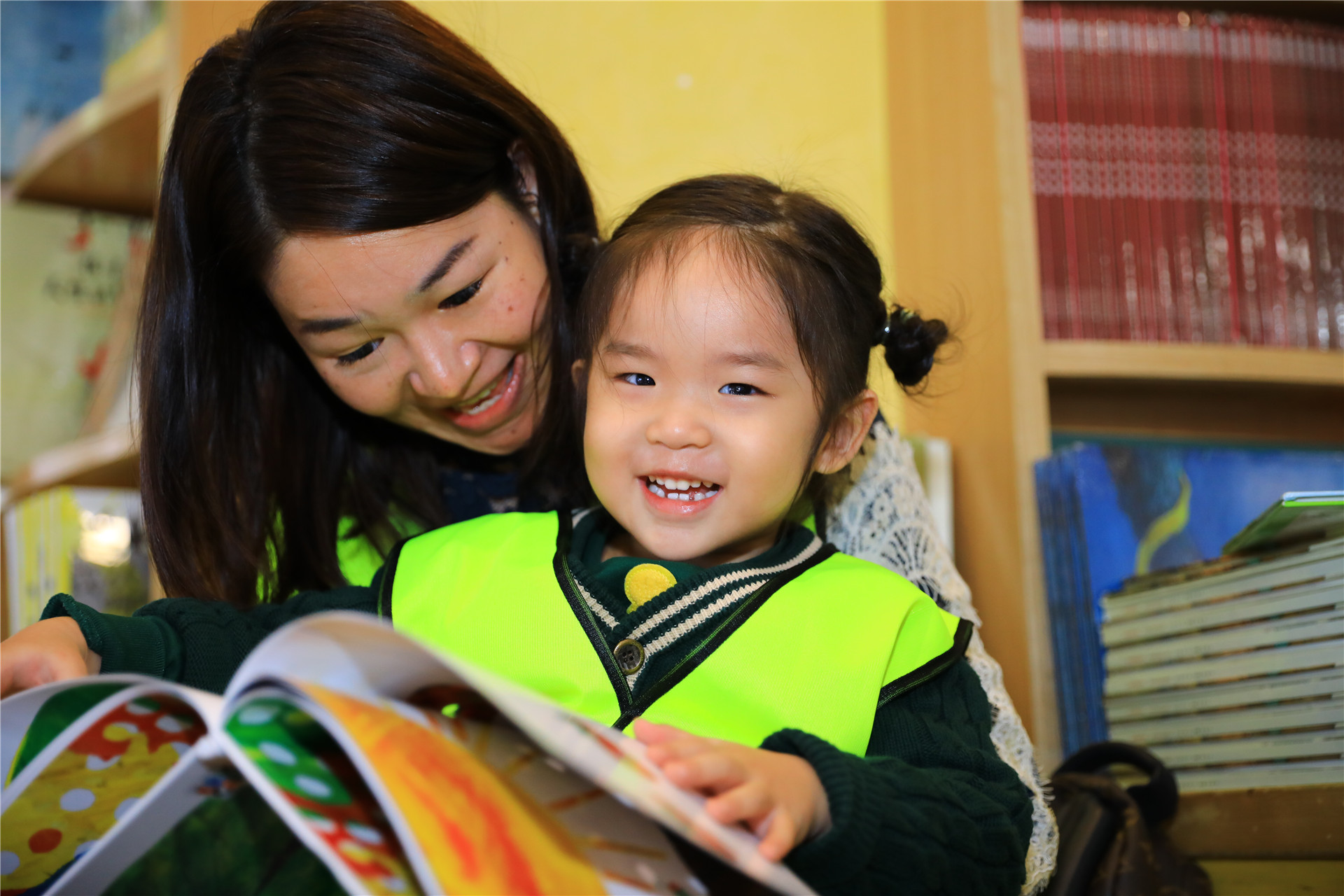
A lifelong love of reading often starts in a cozy, welcoming place—an early childhood classroom’s book corner. Here, children can snuggle up with a wide variety of books while they hone their emerging literacy skills, from recognizing letters to making connections between pictures and story.
持续孩子们一生的、对于阅读的热爱,往往***初始于童年时期一个温馨宜人的读书角落。在这里,孩子们可以徜徉在书海中,同时锻炼他们正逐步发展起来的读写能力,从简单的辨别字母开始,到逐渐能够建立图片与故事之间的联系。
WHY DOES IT MATTER?
在班级里创设阅读角为什么重要呢?

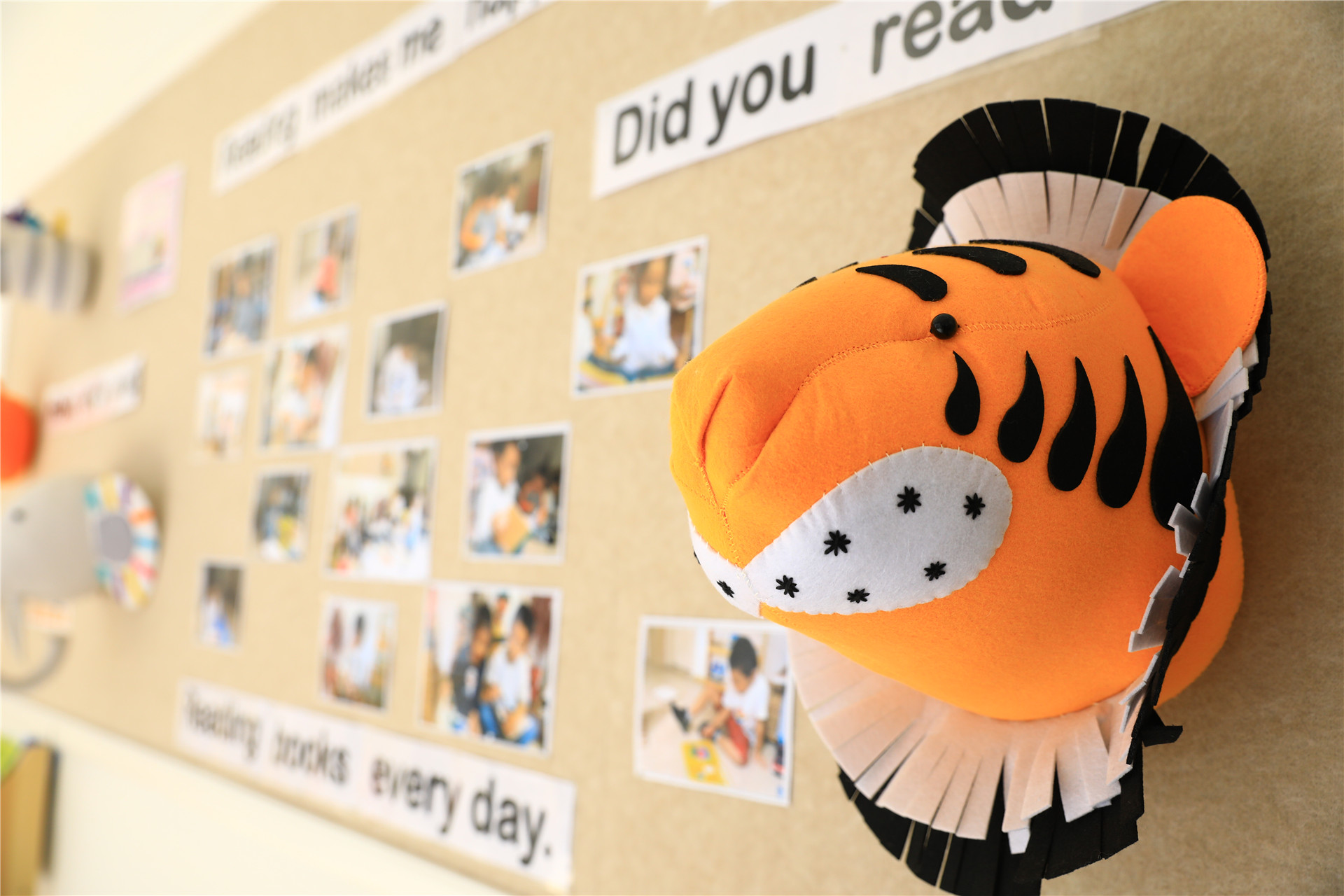
On the one hand, it should offer a space that is inviting and engaging into a world of interesting pictures, stories, books and other reading material. For teachers, a reading corner in the classroom gives a platform where they can support and facilitate children to make meaning while reading.
班级里的阅读角,借由提供一个引人入胜的空间,吸引儿童进入一个由图画、故事、书本、以及其他阅读材料所构筑的丰富多彩的世界。 对于老师来说,教室的阅读角提供了一个交流互动的平台,他们可以在这个平台上支持和帮助孩子们发现阅读的意义。
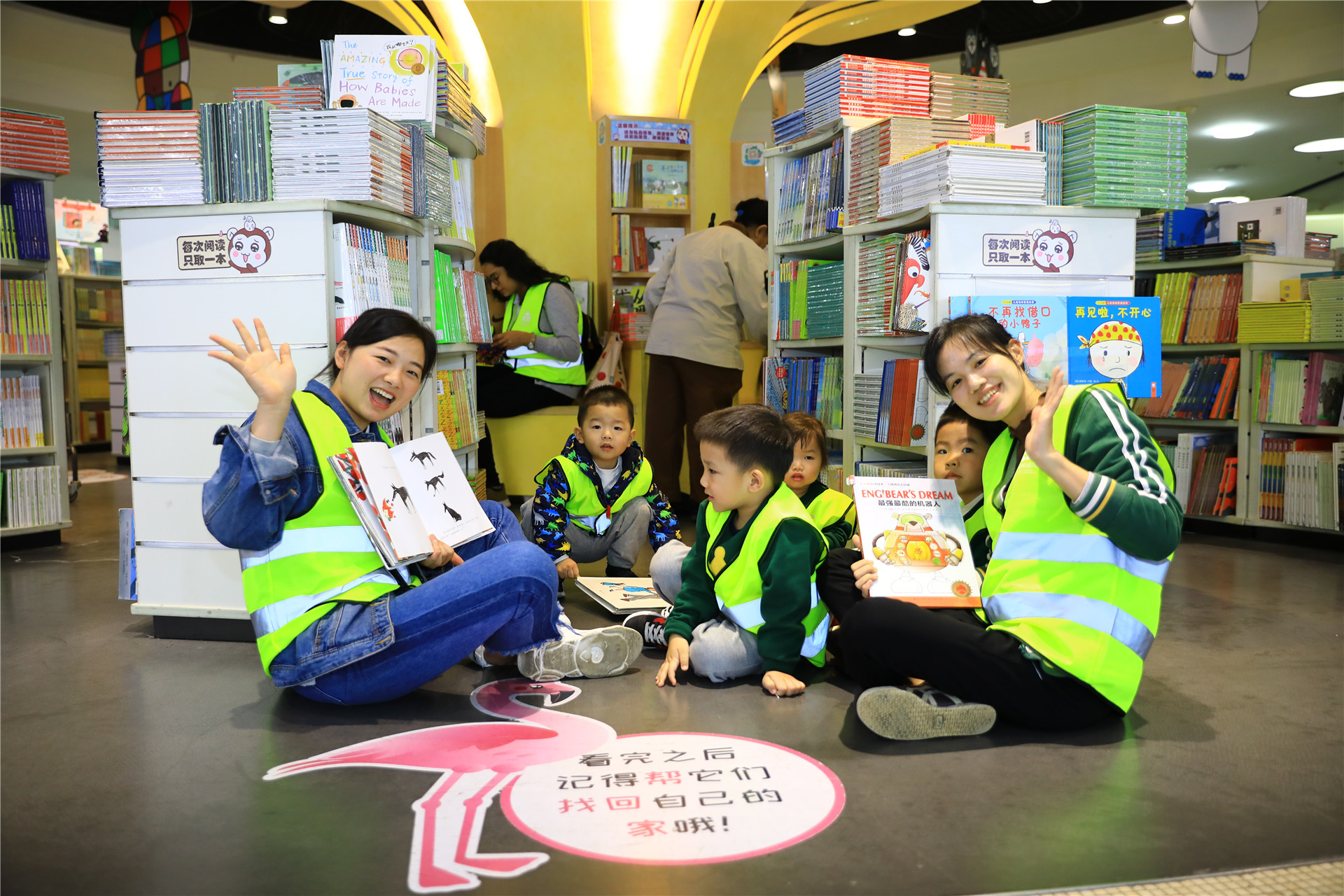
On the Other hand, as mentioned above, excellent reading habits begin in the early years. Introducing children to literature in preschool supports school readiness, promotes early literacy and supports a love of language and reading. Create a preschool library corner in order to promote critical thinking skills and to enhance creative and social development.
另一方面,正如在上文我们所强调的,孩子们***的阅读习惯始于童年早期。 在学龄前阶段向儿童介绍文学作品有助于幼小衔接、促进早期读写并激发孩子对语言和阅读的热爱。而创建一个学前图书角,同时也有助于提高批判性思维并促进创造力和社会发展。
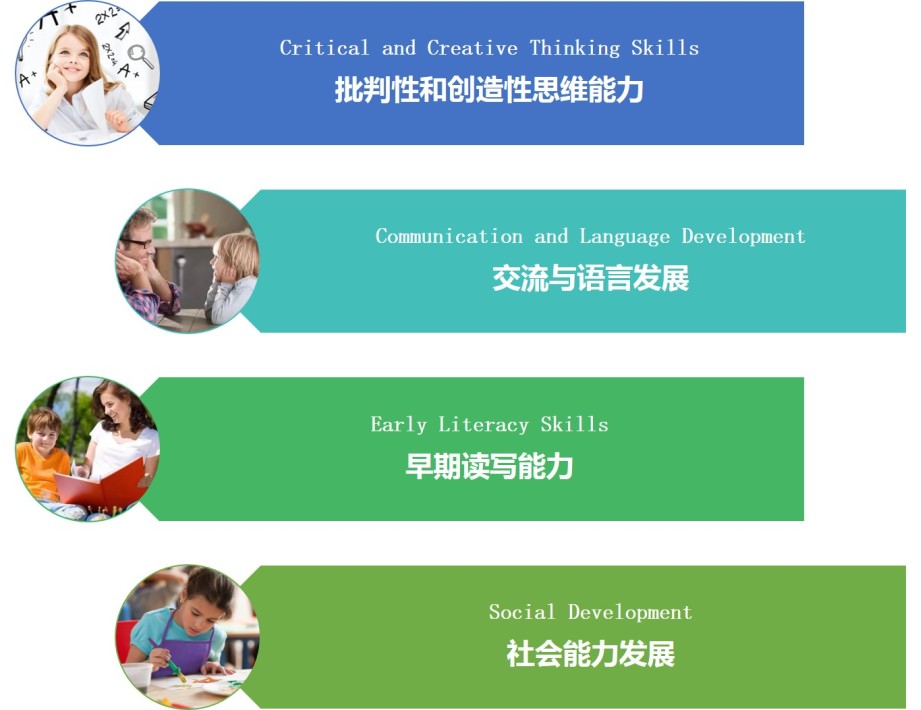
In summary, a well-designed reading corner can develop the following abilities for children:
总结而言,一个创设精良的阅读角,可以培养孩子们以下几方面的能力:
EVERY CHILD IS UNIQUE
***的孩子
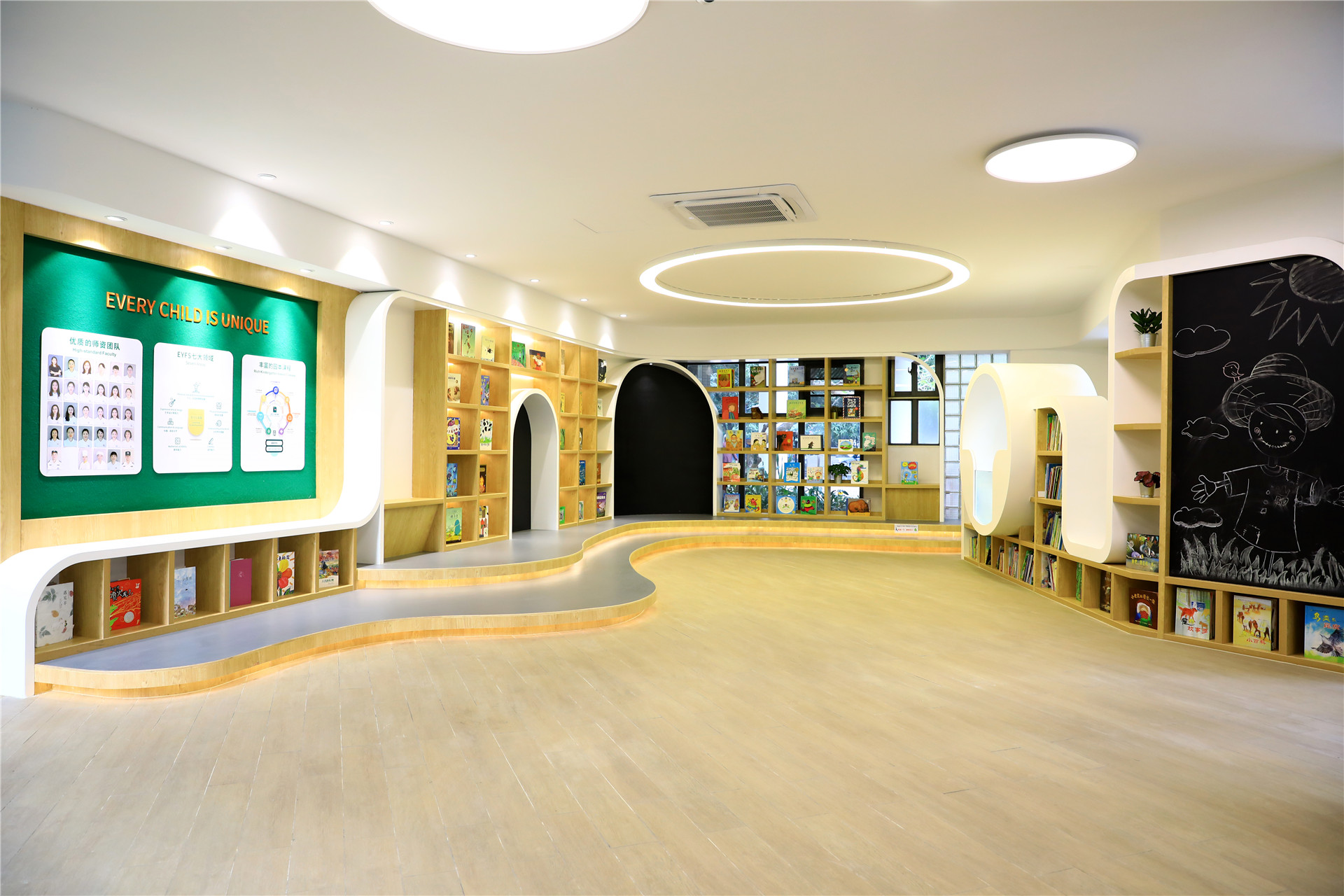
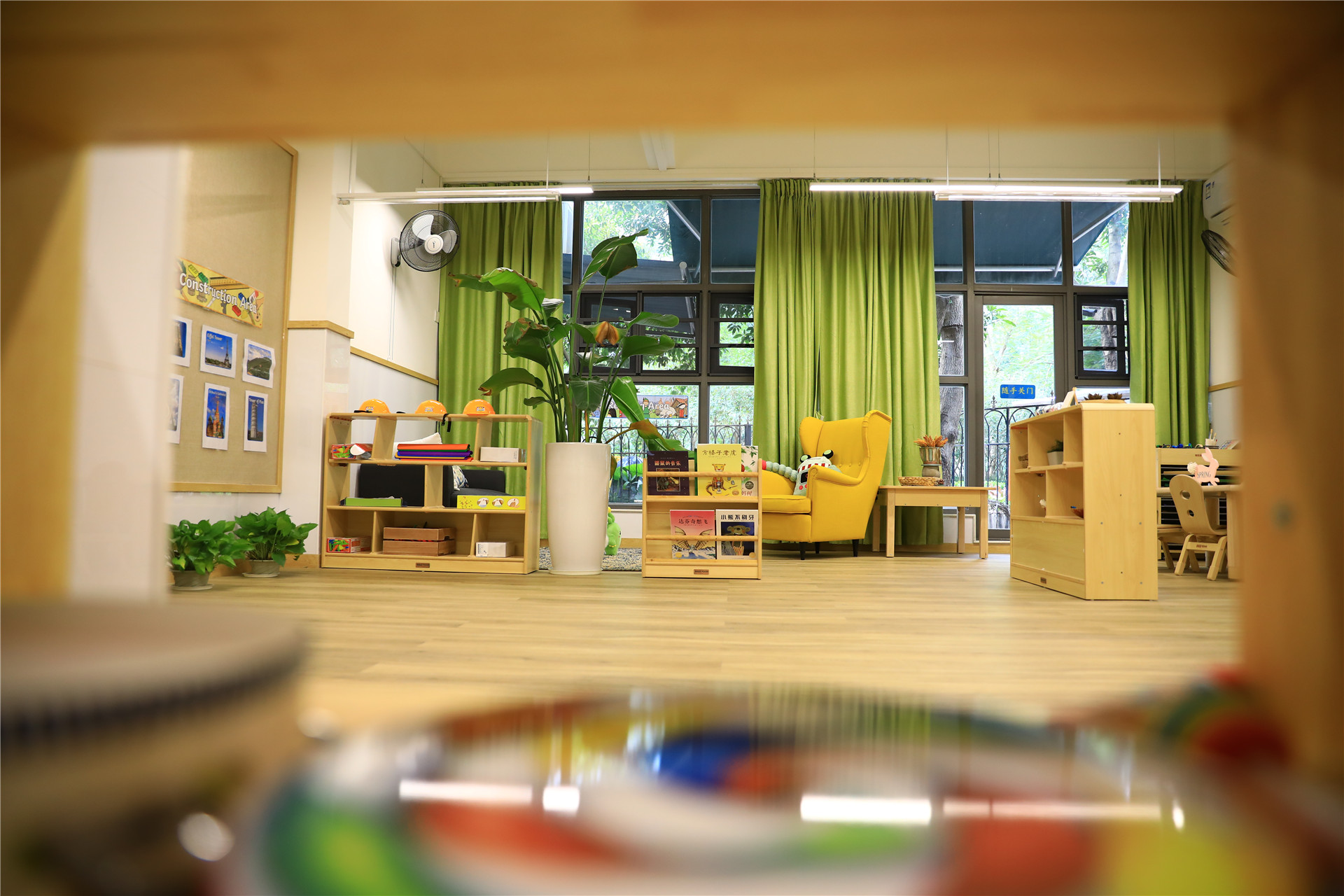
Although creating a reading corner in the class can develop children's versatility, every child is unique and has their own personality and development trajectory. As teachers or parents, we may face many kinds of challenges in the development process of children. For children with the following common conditions, what can we adults do?
虽然在班级里创设阅读角,能够培养孩子多方面的能力,但每个孩子都是***的,有着他们独特的个性和发展轨迹。作为教师和家长,也许会在孩子的成长过程中面临形形色色的挑战,针对以下常见情况的孩子,我们成人可以做什么?
WHAT CAN WE DO WHEN FACING CHALLENGES?
我们如何应对挑战、促进孩子阅读?
Challenge #1: Sam is easily distracted—sometimes he stops by the book corner, but he doesn’t focus on anything for very long.
挑战1:很容易分心的孩子——如何营造有助于培养专注力的阅读环境?
Sam很容易分心,有时他会在阅读角停留片刻,但是他无法长时间专注于手头上的事。
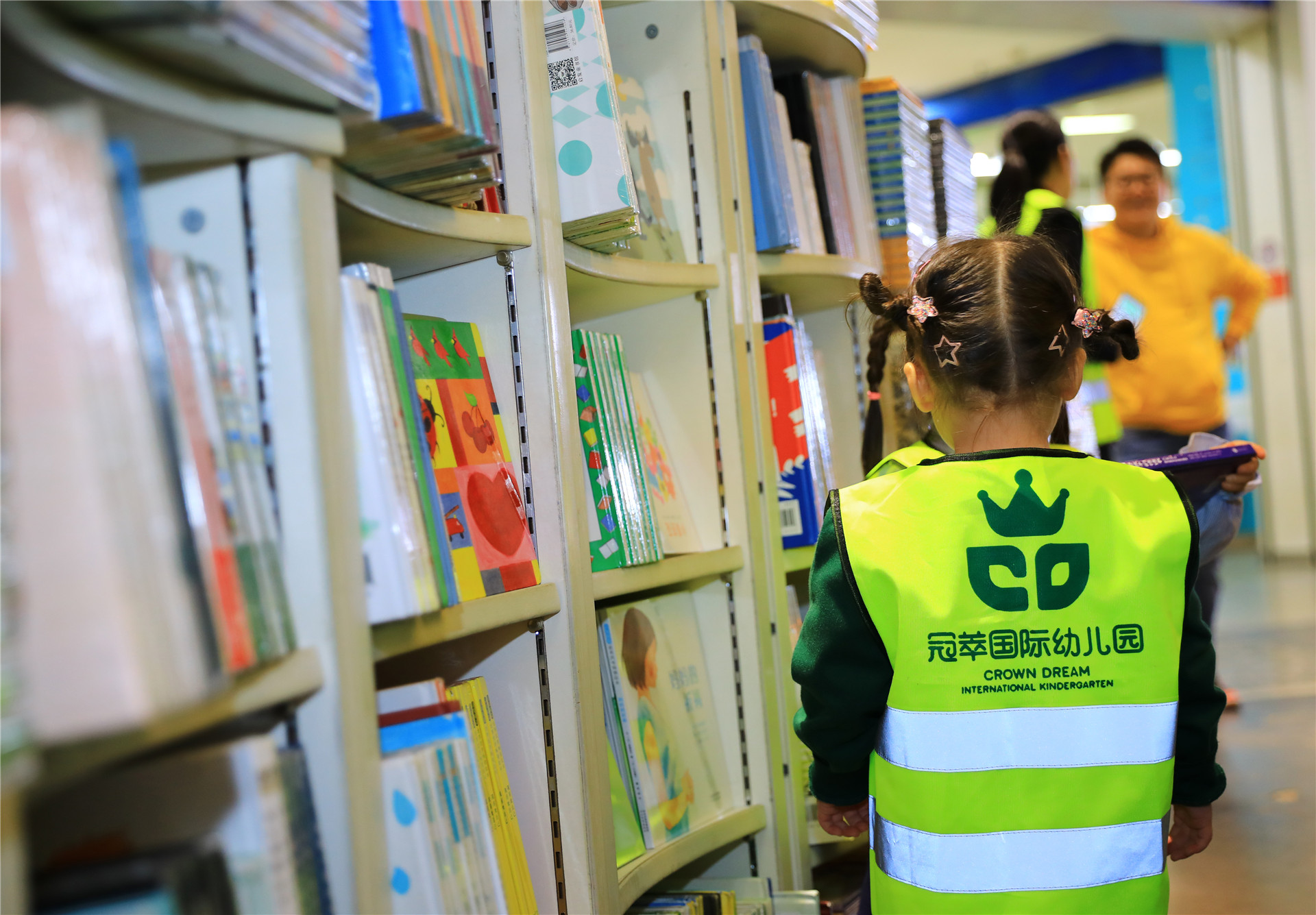
Tip: To meet the needs of children with attention issues—and you’re your students—carefully consider the arrangement and location of your book corner. Is it near a noisy area like Role-Play Area? Do children have to pass through it or near it to get to another popular classroom center? A book corner should be in a low-traffic area and near other quiet centers. Another way to hook the attention of a distractible child is stocking a shelf with some books on his favorite topic. If Sam is fascinated with dogs, try adding some new canine tales to your library.
为了培养孩子们阅读时的注意力,我们需要格外考虑读书角的布局和位置。它靠近角色扮演等比较喧闹的游戏区角吗?孩子们是否必须穿过它才能到达教室里的另外一个受欢迎区域?在冠萃,我们把班级的读书角放在有较少干扰的区域,并且尽量靠近其他安静类型的区角。吸引注意力不容易集中的孩子,另外一个好办法是,试图在书架上放上一些他们喜欢和感兴趣主题的书,教师们借由观察孩子的兴趣点,在书架上增添他们感兴趣的内容,比如Sam对狗狗特别着迷,那么我们就会在书架上添置一些关于犬科动物的故事。
Challenge #2: Maria wants to look at books independently, but she has trouble turning the pages and often feels frustrated.
挑战2:还不会翻页的孩子——如何借由锻炼小肌肉培养自主阅读习惯?
Maria想独自看书,但是翻页时遇到困难,她常常因此感到沮丧和气馁。
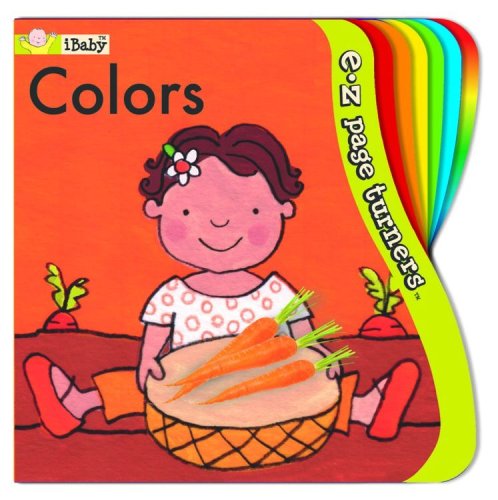
Tip: Children aged 2-3 years old start to try to turn the pages of the book by themselves, but sometimes they may turn several pages in one time, which makes them discouraged. This is because their finger muscles are still in the initial development stage, and fine exercise still needs more practice. Homemade “page-turners” can make books more accessible to children with motor challenges. You can get colorful stick-on bits of Styrofoam in any craft store and attach them to the upper right corner of book pages so they’re easier to separate and lift. Board books with sturdy cardboard pages are easier to manipulate, too (you can buy them or make your own if you’re feeling especially creative!)
2-3岁年龄段的孩子,开始尝试翻书页,但有时也许会一连翻好几页,这令他们感到气馁,这是因为他们的小肌肉还处于初步发展阶段,精细动作仍需多加锻炼。自制的“翻页器”可以使有精细动作挑战的孩子更容易阅读书籍。我们可以将彩色泡沫片固定在书页的右上角,以便于分离书页。当然,目前市面上也有专门针对幼小儿童设计的图画书,在选购图书时留意是否便于孩子翻页,对于培养他们的自主阅读习惯来说,是很有帮助的。
Challenge #3: Jane doesn’t seem interested in the storybooks and nonfiction books in our book corner.
挑战3:对读书不感兴趣的孩子——如何借由增加参与感培养孩子的早期阅读兴趣?
Jane似乎对我们在读书角准备的故事书和科普书不感兴趣。
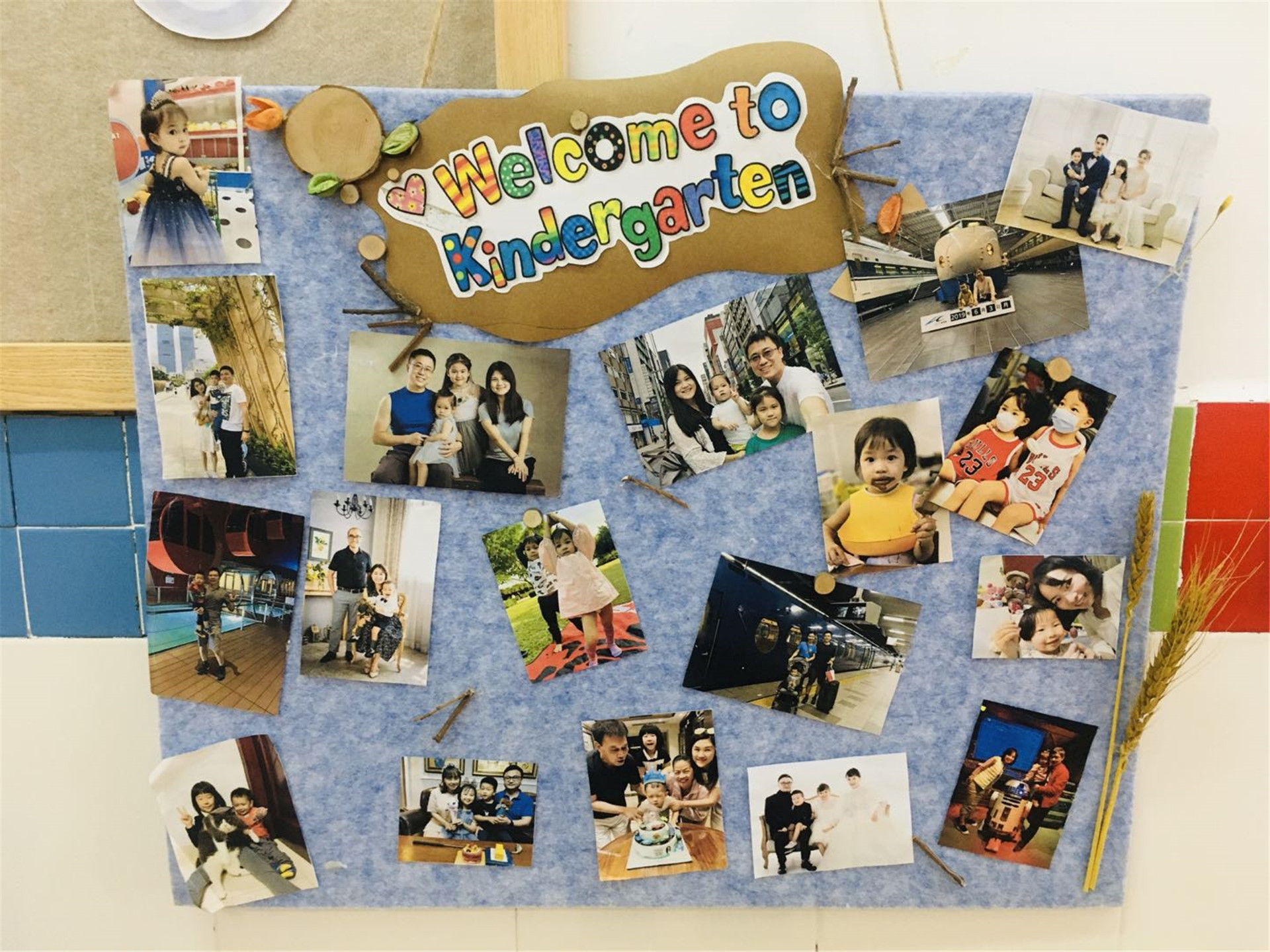
Tip: For a child who isn’t yet interested in or ready for the books on your shelves, include a few photo albums with familiar pictures (including class activities, travel, or family photos). How fun it is to see yourself appearing in a book!
对于尚未准备好开始阅读书架上图书的幼儿,何不制作一本关于孩子们自己的书呢?我们可以提供一些包含孩子所熟悉图片的相册,包含我们在班级活动中的记录照片、外出旅行、或是孩子们全家福的照片。看到自己出现在一本书上,是多么有意思的事!
Challenge #4: Lucky is learning to talk. I love that she chooses to read books during free-flow time! How can we enhance her time in the book corner with more chances for her to practice talking?
挑战4:爱说话的孩子——如何通过合理引导发挥他们在阅读区的独特优势?
Lucky正在学习说话,她常常在班级活动中滔滔不绝地讲述,很令人欣慰的是,她选择在自由活动时间来到阅读角!那么,我们如何通过有效的引导,来让她有更多机会练习说话呢?
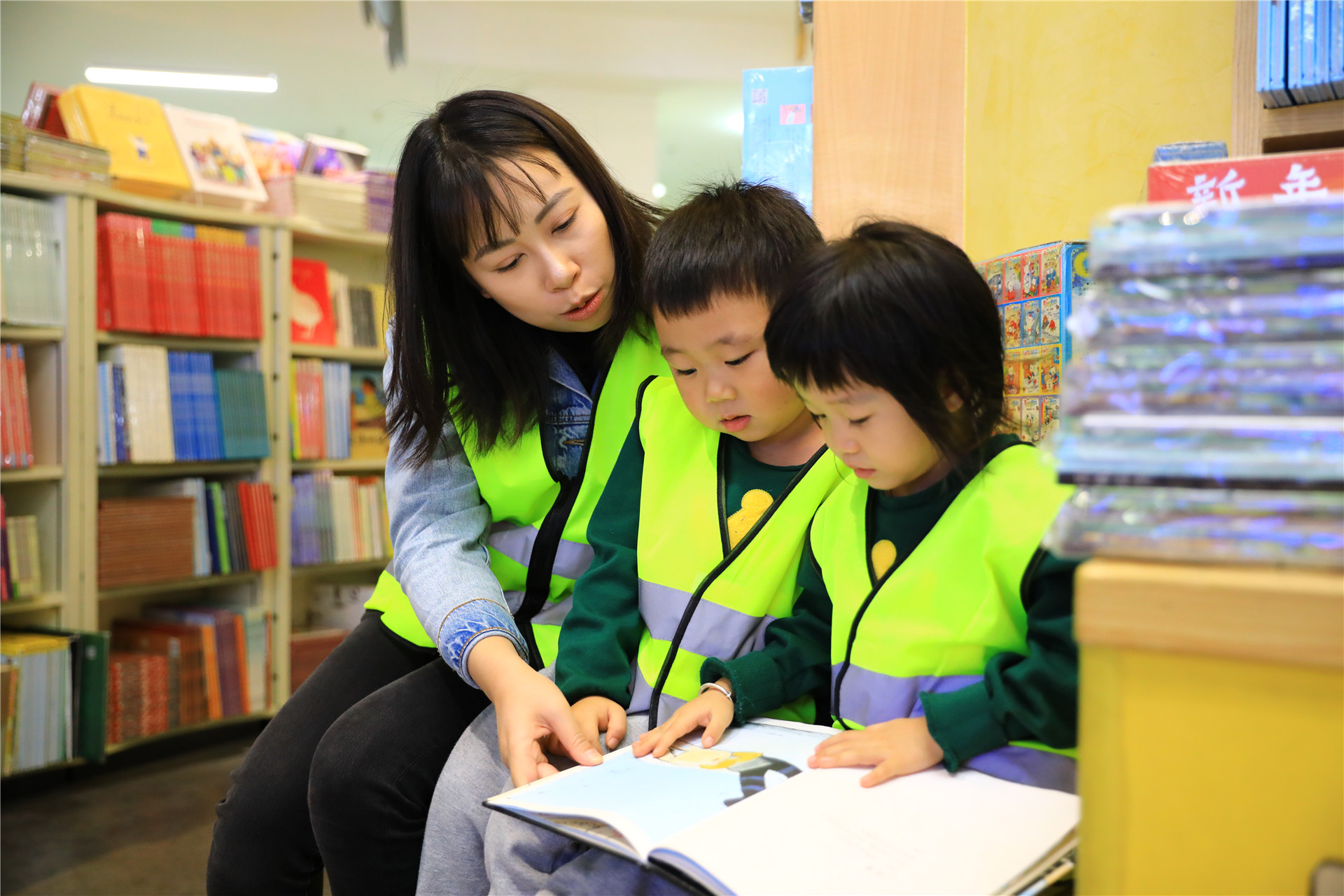
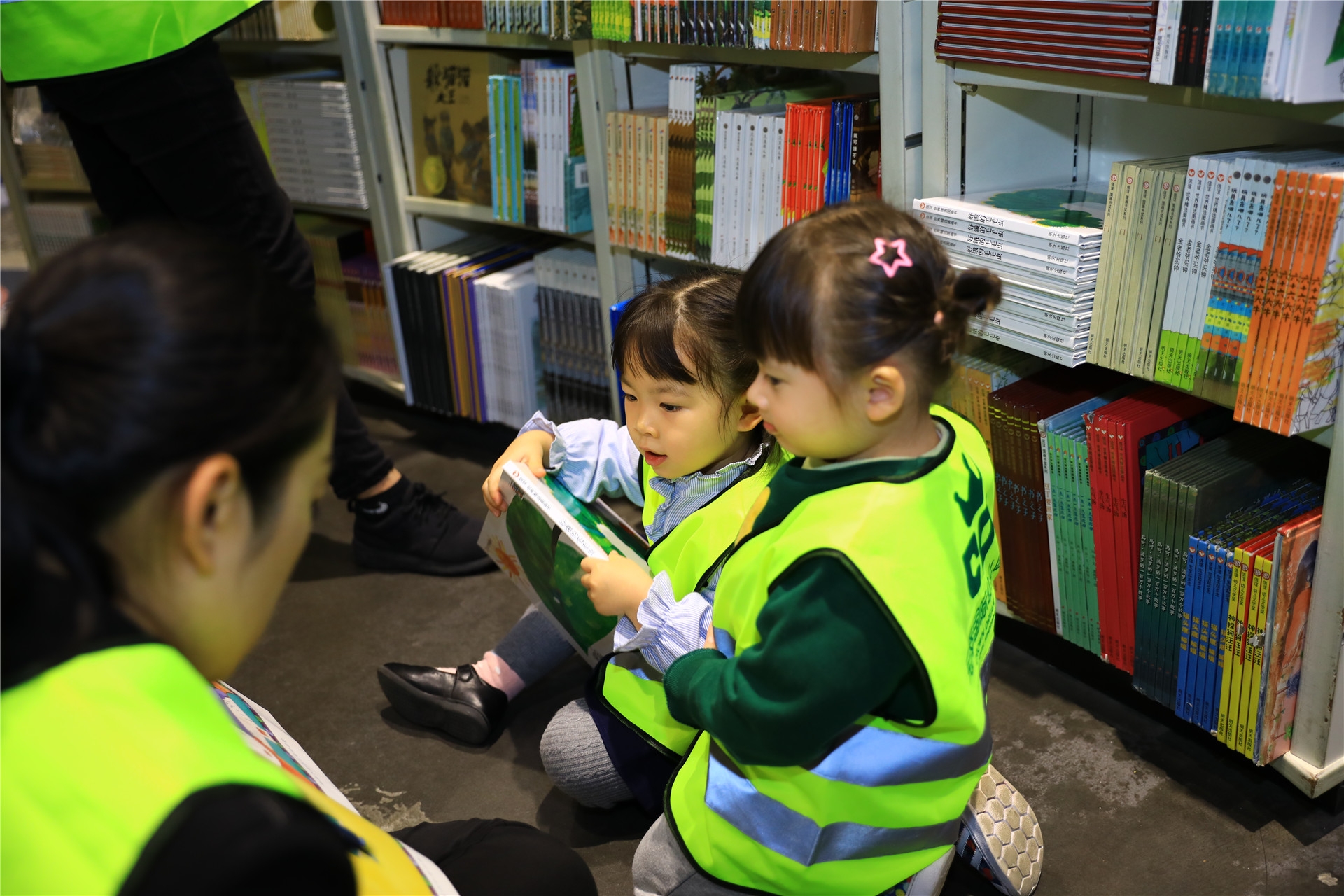
Tip: Do talkative children just get out of tune with the reading area? Does the reading time only exclusively belong to introverted, quiet children? For young child who like to talk to others, pair he/she with a talkative friend and encourage them to “read” stories to each other (children who can’t yet read can make up their own words to go along with the pictures). It will not only help to practice their communication and language skills (CL), develop listening habits, deepen the understanding of the story content, and help with their personal, social, and emotional development (PSED), cultivate self-confidence and self-awareness, as well as establishing interpersonal relationships.
爱说话的孩子是否就跟阅读区格格不入了呢?班级里的阅读时间只属于内向、文静的孩子吗?对于喜欢跟他人聊天、语言发展较快的幼儿,通过引导他们和同伴彼此讲故事(尚未开始认读文字的孩子,则可通过看图说故事),不仅有助于锻炼他们的交流和语言发展(CL),培养倾听习惯、加深对故事内容的理解,更有助于他们发展社交能力(PSED),培养自信与自我意识、建立人际关系。
Cooperate with Family: Continuing Good Reading Habits
家园共育:延续良好的阅读习惯
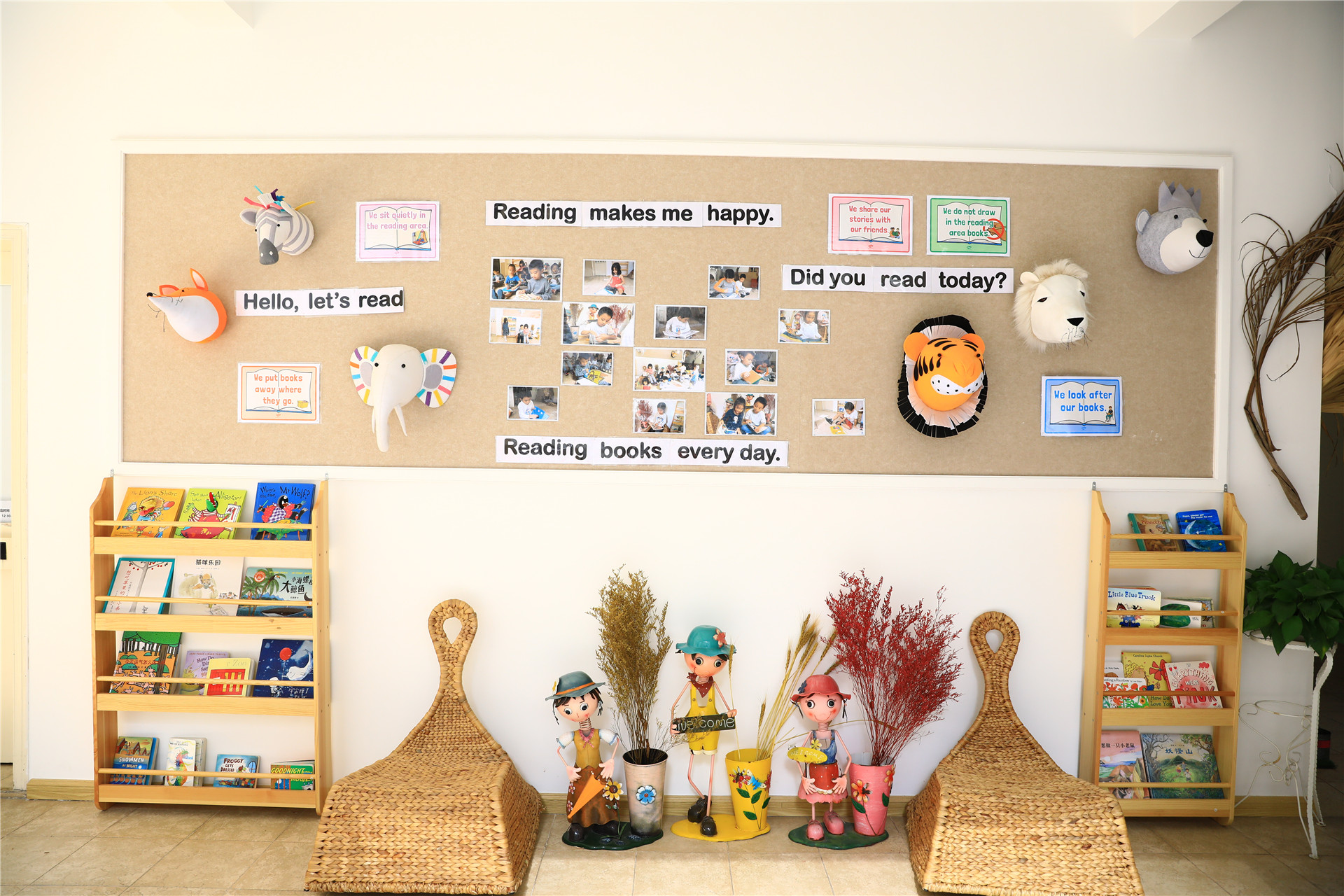
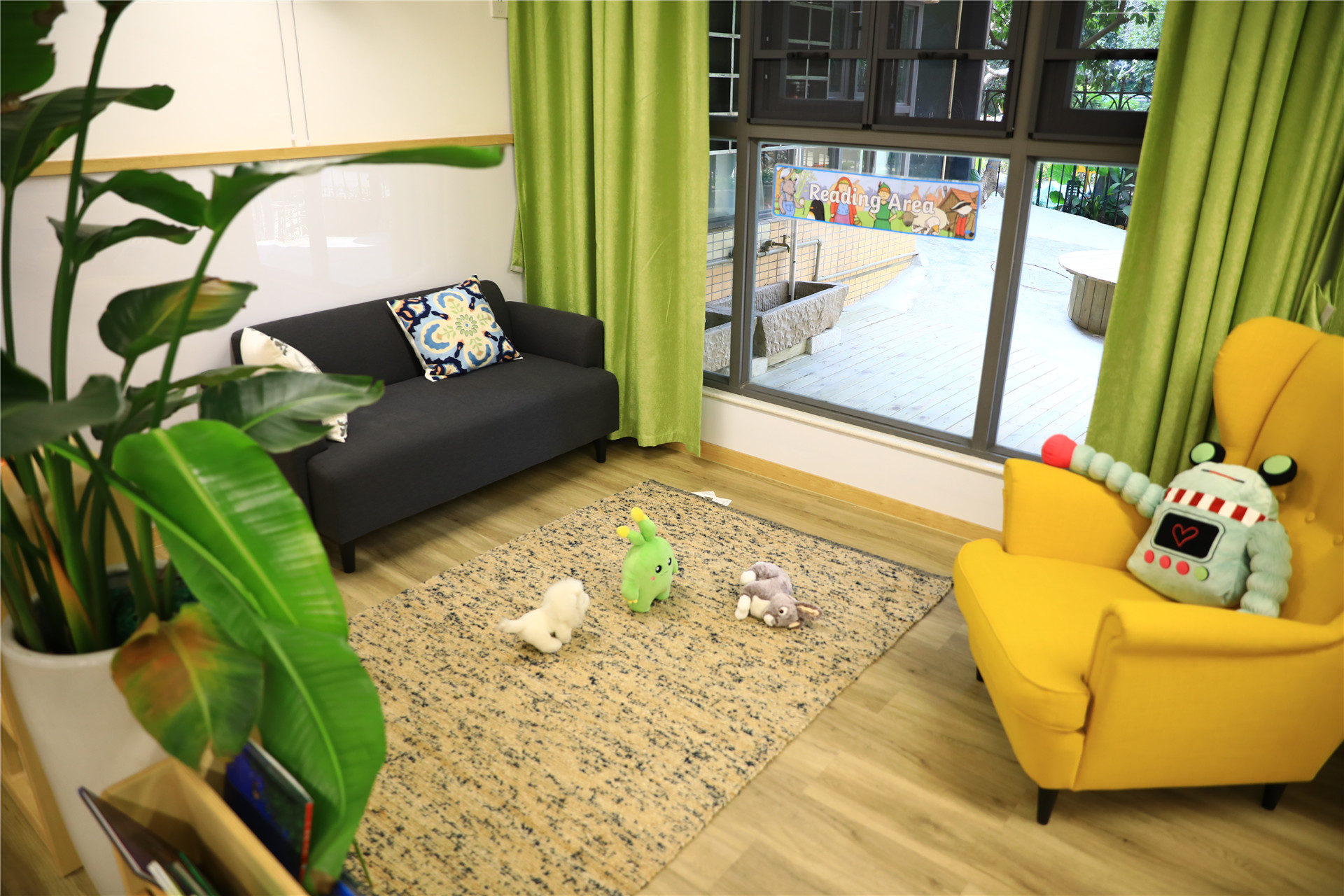
We all know that the growth of children is a continuous process. Therefore, we should not only to create an excellent reading environment in the kindergarten, but also continue this atmosphere to encourage reading at home. To help children establish good reading habits, you can start with simple and small activities, such as family reading corner, parent-child shared reading, goodnight stories, etc. We could work together to cultivate children's early reading habits, and support the growth of children!
我们知道,孩子的成长是个连续不间断的过程,因此,不仅要在幼儿园创设阅读环境,回到家庭中也要持续营造这种鼓励阅读的氛围,帮助孩子建立良好的阅读习惯,可以从一些简单的小活动开始,例如:家庭阅读角、亲子共读、晚安故事等,家园共同培养孩子的早期阅读习惯,支架孩子的成长!
Reference:
Dickinson, D. K., & Porche, M. V. (2011). Relation between language experiences in preschool classrooms and children’s kindergarten and fourth‐grade language and reading abilities. Child development, 82(3), 870-886.
Ertürk, H. G., & Altinkaynak, Ş. Ö. (2011). Examining the Preschool Teachers’ Use of Different Approaches in Children's Literature. Procedia-Social and Behavioral Sciences, 15, 4098-4104.
Wasik, B. A., & Bond, M. A. (2001). Beyond the pages of a book: Interactive book reading and language development in preschool classrooms. Journal of Educational Psychology, 93(2), 243–250.
Sandall, S. R., Schwartz, I. S., Joseph, G. E., Horn, E. M., Lieber, J., Odom, S. L., & Chou, H. Y. (2008). Building blocks. Baltimore, MD: Paul H. Brookes.
▲ 其他机构、私人不得擅自转载文中任何图片,
如文中肖像者本人或监护人对照片使用有疑问,
请留言联系我们,谢谢!
END
文章推荐
 :
 :hello@crowndream.cn


