


关于幼儿早期读写能力发展,你不知道的那些事
作者:冠萃教育
浏览:
发表时间:2023-08-08 14:02:32
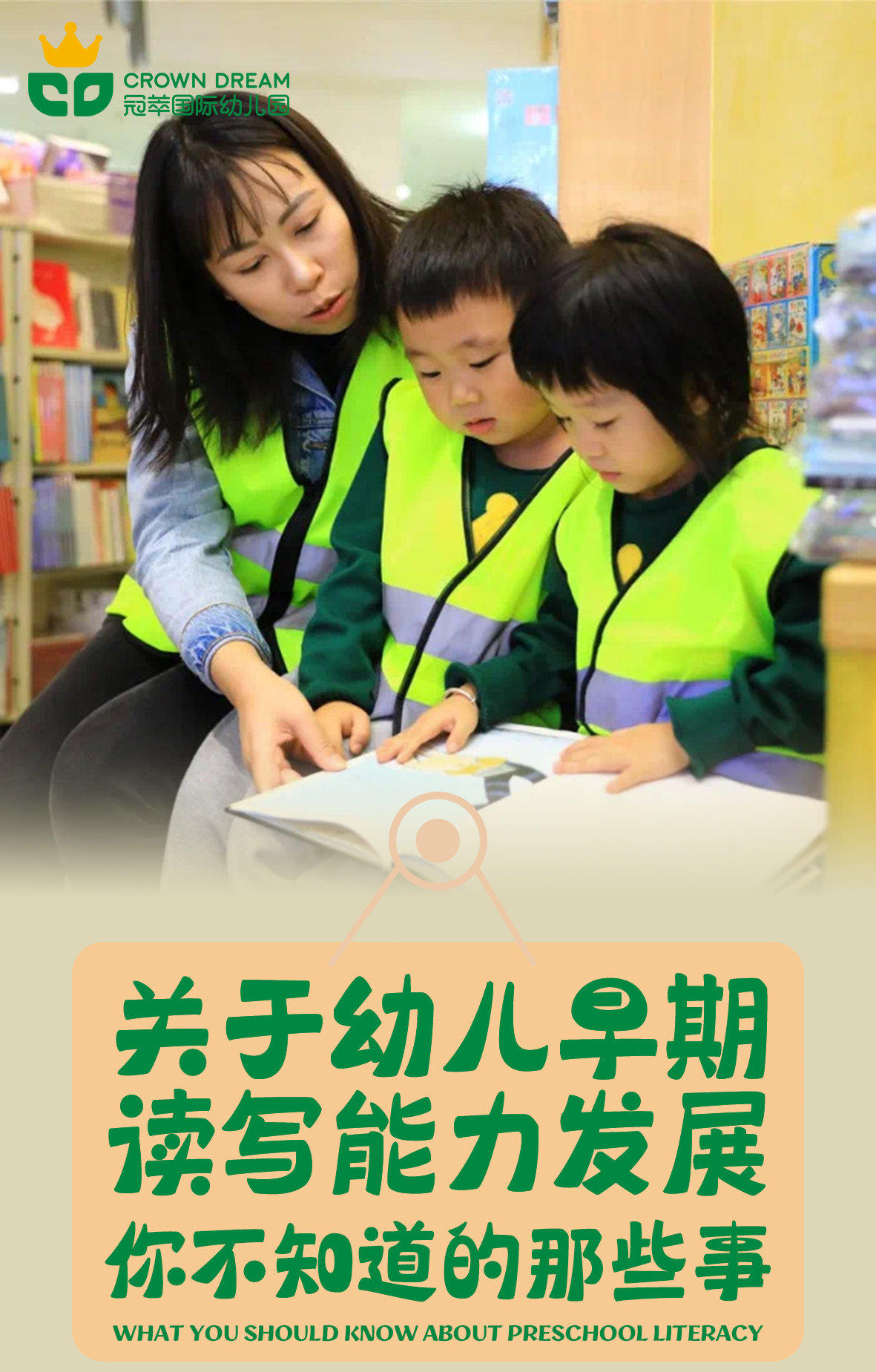
一个人的口语表达和读写基础越有限,他在学习、生活和日常交往中就越有可能会遇到困难,这一点在幼儿早期学习生活表现中,也同样成立。早期读写能力在幼儿早期学习体验中发挥着关键作用,对于每一位刚刚开启世界奇妙探险之旅的小宝贝来说,当他***次看到书本上生动的故事,当他发现周围的文字和符号都充满意义,当他开始试探性地将自己的标记写在纸上并意识到其他人理解,这些看似平常但又充满惊喜的时刻,其实都是幼儿早期读写学习的经历和表现。
Swipe For English→
The more limited a person's oral expression and literacy base is, the more likely he or she is to have difficulties in learning, life and everyday interactions. It holds true for early childhood learning life performance.Early literacy plays a key role in the early learning experiences of young children.Sharing the experiences of young children as they develop their relationship with reading and writing is both joyful and a privilege. Being present the first time they see a story brought to life from the pages of a book, when they discover that the written words around them are full of meaning and when they tentatively place their own marks onto paper and realise that someone else understands – these are all powerful, magical moments.
←Swipe For Chinese
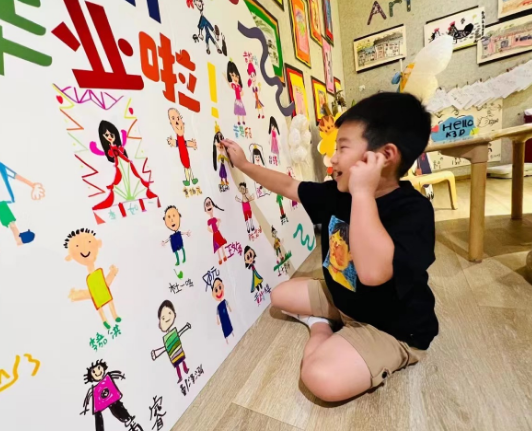
对于成年人来说,在感受儿童成长喜悦的同时,随之而来的也有责任。当我们帮助孩子们驾驭那些可能略有复杂的、具有挑战性的,甚至可能令人困惑的“文字代码”时,我们首先需要确保自己对幼儿早期读写的理解是强大的、深刻的和不断发展进步的。我们要密切关注早期读写的不同方面是如何相互连接的,而且还要批判性地关注与学习和儿童发展得更广泛方面的联系,比如社交情感发展、身体发展等,以便我们的教学、指导和支持能够真正满足孩子们的需求。
鉴于此,冠萃教研中心围绕幼儿早期读写技能发展为主题,研读了多篇国内外优质课题研究报告及论文,获益良多,现特将所获心得整理成集,公诸同好,愿与各位幼教同行和家长们携手同行,助力幼儿早期读写能力的专业化、科学化发展。本期,我们将聚焦于如何支架不同年龄段幼儿早期读写学习的策略方法,希望通过此次分享,能与读者产生共鸣或思想碰撞。
Swipe For English→
However, with this also comes responsibility. As we help our children to navigate what at times can be a complex, challenging and arguably baffling code, we need to ensure that our own understanding of early literacy is strong, deep and evolving. In doing so, we need to look closely at how the different aspects of literacy not only connect with each other, but critically also with broader aspects of learning and child development, such as social emotional learning, physical development, etc. so that our teaching, guidance and support truly meet our children's needs.
Given this, the Crown Dream Research Academy has studied several high-quality research reports and papers on early literacy skills development. We would like to share our insights with fellow ECE teachers and parents to support professionalizing and scientifically developing the early literacy skills of young children. Today we will focus on strategies and approaches to scaffold literacy learning in different age groups. We hope today's sharing will resonate with readers or generate a meeting of minds.
←Swipe For Chinese
一
Picture Book Reading
绘本阅读
在2021年刚刚修订的EYFS基础框架中提到“对于孩子来说,培养终生对阅读的热爱至关重要”。对于大部分一线幼儿教师来说,绘本往往是他们开展早期读写教学活动中必不可少的工具之一。令很多教师倍感兴奋的是,即使是牙牙学语的婴儿,也会在教师在读故事书的时候作出回应,他们会想通过发出自己的声音加入进来。
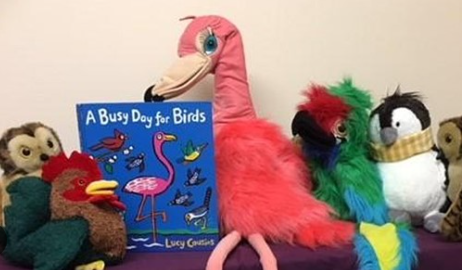
英国桑德兰城堡幼儿园的早期读写专家凯·鲁克斯(Kay Rooks)围绕这一点进行了补充说明。她表示,除了绘本本身,一些额外的道具(面偶、玩偶)在讲绘本故事的时候也会派上用场。“例如,在露西·考辛斯 (Lucy Cousins) 的《鸟儿忙碌的***》一书中,我们有玩具小鸟,宝宝们会抱着他们乖乖地坐在一旁听故事,时不时地咿咿呀呀与小鸟互动,甚至会蹦出来一个老师刚刚讲过的字或词。实际上,这就是幼儿学习早期读写阅读的开始。”
Swipe For English→
EYFS 2021 mentioned that "it is crucial for children to develop a life-long love of reading". A source of frequent delight to practitioners is the way in which even babies will respond to a story being read from a book out loud, and how they will want to join in by making their own noises.
As Kay Rooks, an early literacy specialist based at Castle Kindergarten in Sunderland, testifies, props also come in handy during story time. ‘For example, with the book A Busy Day for Birds by Lucy Cousins, we have little toy birds, and the babies sit holding them while they hear the story, joining in through babbling or even saying one of the words. That is the start of learning about reading.’
←Swipe For Chinese
根据发展很重要(Development Matters)的说法,22至36个月大的儿童可能会重复熟悉故事中的单词或短语,并填写韵律或故事中缺少的单词。在30到50个月之间,他们可能会开始意识到故事的结构方式,并提出故事可能发生的结局。
基于此,凯·鲁克斯(Kay Rooks)观察到“在孩子们开始模仿故事并编写自己的故事版本时,他们喜欢以给故事角色配音的方式进行创作,并且会自然而然地运用到原版绘本故事中的单词和句子,这也是幼儿进行早期读写学习的一大表现。”
因此,提升幼儿早期读写的***步,就是尽可能给孩子们提供一系列色彩鲜艳、引人入胜和多样化的绘本。当然,你可能会说,我们班级已经有了图书角或阅读区,你甚至还可能为了丰富幼儿学习体验而在其中放置了更多其他类型的作业单或记录单等。在你的设计规划下,阅读区好像已经被你开发成了一个启发儿童探索各种文本的空间。然而,从我们成人自己的视角来看,有的时候,单单找到一个舒适安静的地方来埋头苦读往往是无意义且枯燥的。因此,借着这个机会,我们或许需要重新审视一下自己的图书角,评估一下我们如何可以将这些图书的价值真正迁移到现实生活中来。
当我们在选择一本书的时候,我们需要考虑:
i. 是否适合我们班孩子的年龄和水平?
ii. 每本书可以供读的儿童人数?
iii. 所有的孩子都能读懂这本书,都能从这本书里有所收获吗?
iiii. 孩子们如何在这本书里与文字或图像产生联系呢?他们只能单单地去看吗?
iiiii. 我们教师本身对这本书的了解程度又是多少呢?
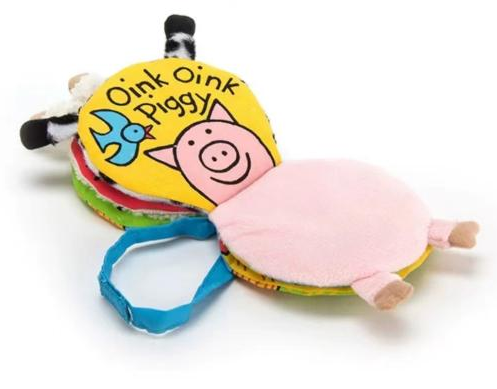
英国幼儿教师专业发展咨询师兼培训师佩妮-塔索尼(Penny Tassoni)说:“重要的是,要考虑将书籍与儿童的兴趣相匹配,比如说选择那些与儿童自身经历相关或者与我们目前学习主题相关的书籍。更更重要的是,根据他们的语言和认知发展水平来匹配。比如对于低龄幼儿来说,除了传统的纸质绘本,我很喜欢提供布书、掀盖书和有声书等各种可以与幼儿互动的书籍,在满足其早期读写学习的同时,还能刺激孩子们的感官发展,带动其他领域的学习”。
Swipe For English→
According to Development Matters, children between 22 and 36 months may repeat words or phrases from familiar stories, and fill in the missing word in a rhyme or story. Between 30 and 50 months they are likely to begin to be aware of the way that stories are structured, and suggest how the story might end.
Ms Rooks has observed how children begin to enjoy copying narrative and making up their own versions of the story, and she says “doing the voices and using words and sentences from the story,”
Therefore,the first step to support children's literacy development is that we need to provide a wide range of colourful,engaging and diverse books. You may say, we already have a book corner or reading area in our classroom and you may even have more other types of worksheets or record sheets to scaffold children's deeper learning. With your design planning, the reading area seems to have been become a space that inspires children to explore a variety of texts.However, from our own perspective, there are times when simply finding a comfortable and quiet place to bury our heads in the sand is often pointless and boring. So perhaps we need to take this opportunity to revisit our reading area and assess how we can truly transfer the value of these books into real life.
As we pick up a book to share, we need to consider:
i. The ages of the children we are sharing a book with.
ii. The number of children participating.
iii. Is the experience going to be accessible for all the children?
iiii. How will the children connect with the text and/or images? Only for watching?
iiiii. How familiar are we with the book?
British early childhood education consultant and trainer Penny Tassoni says "it is important that thought is given to matching books to childrens interests,for example, books are relevant to the children's own experiences or to the topics we are currently studying. More importantly, their language and cognitive level,for example, for younger children,in addition to the traditional paper-based picture books,I would like to share some clot, lift-the-flap ad sound books. While satisfying their literacy learning, those books also stimulate children's sensory development and drive learning in other areas".
←Swipe For Chinese

凯·鲁克斯(Kay Rooks)还提到,好的书籍都含有一个潜台词(潜在的阅读任务),能够吸引和挑战孩子们。她说:“比如说,在每一页上都要去寻找鸭子之类的事情,这有助于孩子们寻找细节并培养他们区分文字符号与图画的能力。”
如今市面上的绘本种类繁多,质量水平参差不齐,这的确会给教师在选择绘本时带来许多困惑。 为此,鲁克斯女士也为大家推荐了两个英文绘本网站(放在了文章末尾),为教师后期在选择绘本时提供更多选择建议。但无论如何,小编还是想发自内心************深处地跟我们成人朋友们说一声,虽然绘本看似平凡又常见,但它们的确是幼儿早期读写学习所必不可缺的工具。所以请我们教师和家长朋友们,在选择绘本时,还望思量再三,慎重选择。
Swipe For English→
Ms Rooks believes the best books have a subtext which engages and challenges children. “This can involve something like looking for a duck on every page, and this helps children look for detail and develop their ability to distinguish symbols.” she says.
The wide range of picture books on the market today, with varying levels of quality, can indeed cause much confusion for teachers when choosing picture books.Therefore, Ms Rooks also recommends the websites of Book Trust and National Literacy Trust for developmentally appropriate recommendations.But in any case, I would like to say from the bottom of my heart to you that although picture books may seem ordinary and common, they are indeed an indispensable tool for young children to learn to read and write. So please, our teachers and parents, think twice about choosing picture books and choose carefully.
←Swipe For Chinese
二
a Superhero Hide-out
阅读角的设计:
超级英雄的藏身处
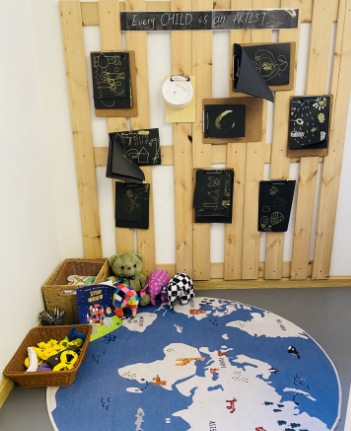
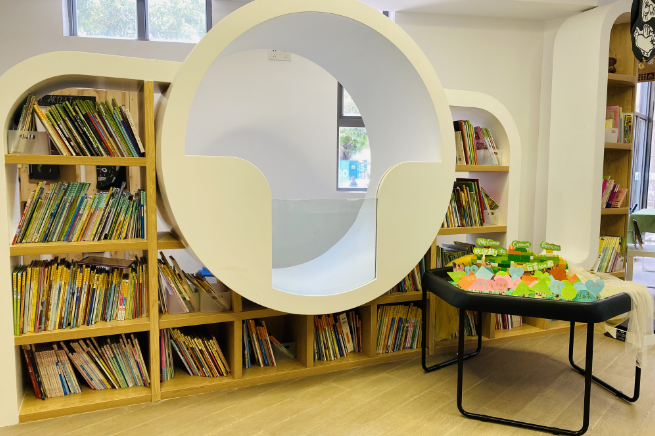
一个资源充足、舒适而有吸引力的阅读角是必不可少的,它是孩子们能够享受书籍并进行交流的焦点。
但是英国Lakenheath小学的助理校长Judith Twani先生提醒说“不要为年幼的孩子准备太多的榻榻米、靠垫和软玩具,因为他们会误认为这是一个柔软的游戏区,而不是用来专注于书籍的地方。”
更好的策略是围绕儿童的兴趣来设置图书角的主题,比如,如果你们班的孩子们痴迷于扮演超级英雄,那你就可以把阅读角设计成一个超级英雄的藏身处或者能量储存站。这样既可以确保孩子们是感兴趣的,但是也能清楚地划分出,这个能量储存站,就是用来读书补充能量的。
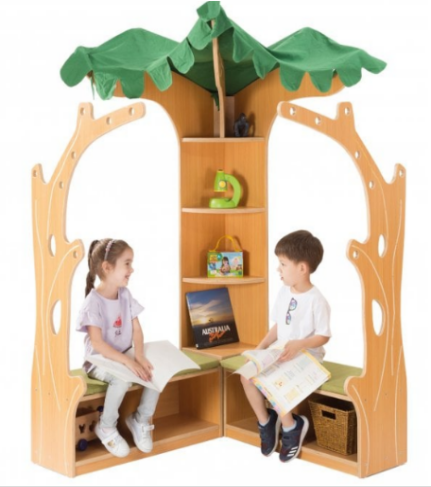
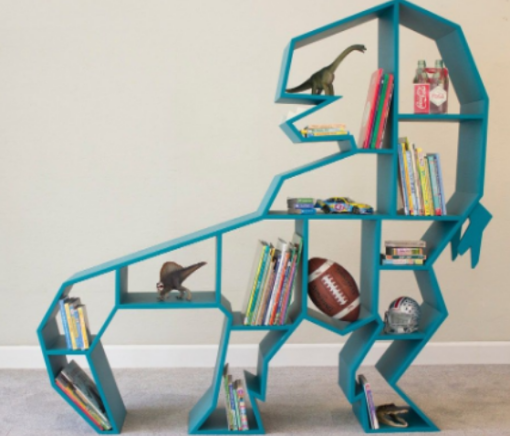
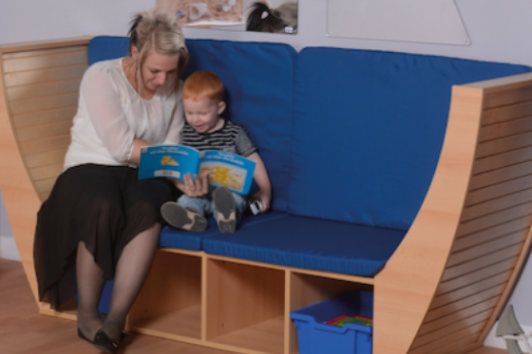
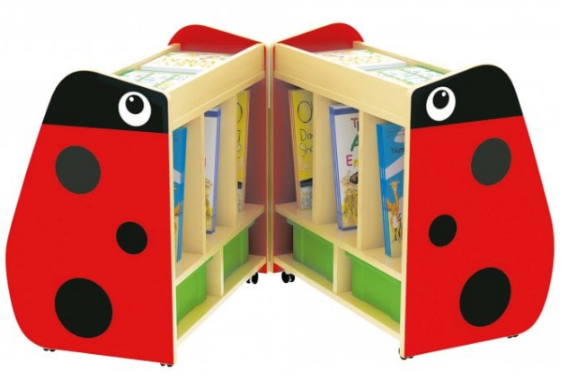
此外,小小的书架也隐藏着一些神秘之处哟。除了我们常见的梯形木制书架,市面上也出现了各式各样的书架款式,满足教师不同的摆放需求,从而让孩子们单单透过绘本封面,就激发他们想要拿下来阅读的兴趣。
Swipe For English→
A well-resourced, cosy and attractive reading corner is essential as a focus for enjoying books and communicating.
But Judith Twani, assistant head teacher at Lakenheath Primary School and associate curriculum consultant at Early Excellence, cautions against too many beanbags, cushions and soft toys for very young children – “because they then think its a soft play area rather than somewhere to relax and focus on books”.
A better ploy can be to theme the book corner around childrens interests. For example, if your children are crazy about superhero, then you can design your reading area as a superhero hide-out, such as creating a superhero hide-out.
There is also something mysterious about a small bookcase. In addition to the usual ladder-shaped wooden shelves, there are also a variety of shelves on the market to meet the different placement needs of teachers, so that children can be inspired to take down their picture books simply by looking at their covers.
←Swipe For Chinese

▲向左滑动查看更多
三
Embedding Literacy
嵌入灵魂深处的文字
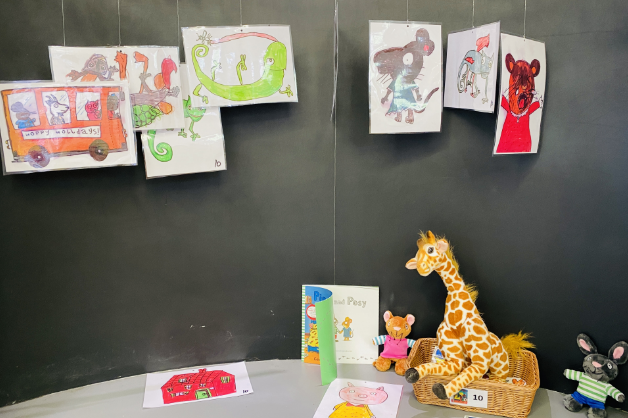
在大街上随处可见各式各样的文字符号,那么在幼儿班级里也应当如此。教师要勇敢地打破阅读区与其他区域的界限,让整个班级环境中都应备有书籍和文字,这种方式,被称之为“边界消弭”。
鲁克斯女士强调“每个区域至少要有一本非小说类和一本小说类书籍。以玩沙子为例,展示与沙子有关的图片和文字,这样孩子们在玩的时候就能看到这些文字和其背景,然后开始在自己的脑海中建立联系,从而加深对这个词语的认知理解。”
Swipe For English→
Teachers should be brave enough to break down the boundaries between the reading area and the rest of the classroom areas so that books and texts are available throughout the classroom environment, in a way that is known as 'crossing boundaries'.
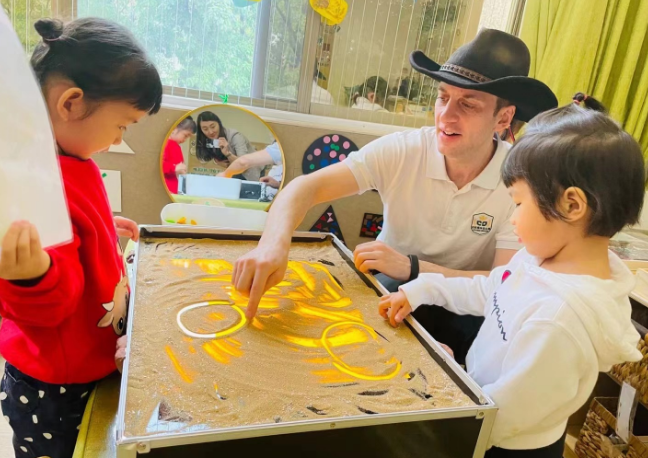
‘Have at least one non-fiction and one fiction book in every area. With sand play, for example, display pictures and words that are linked to sand, so when children are playing they can see the context of the words and begin to make links in their head,’ says Ms Rooks.
←Swipe For Chinese
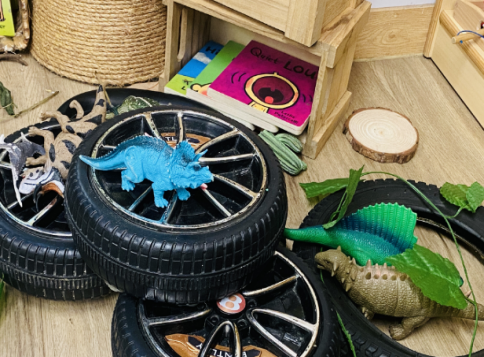
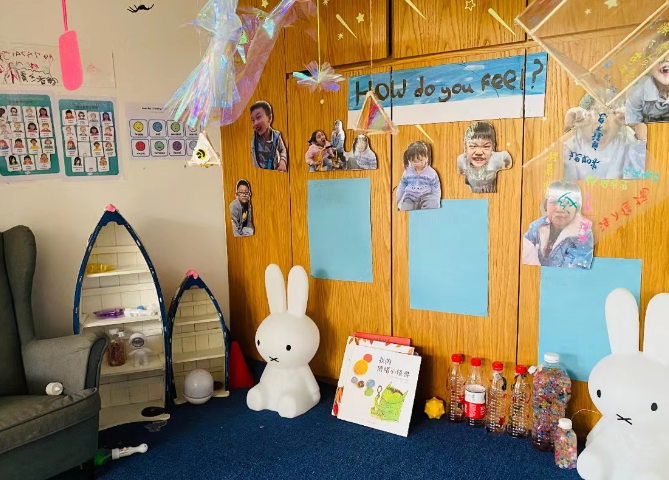
除了投放绘本,班级环创中也有很多元素可以支架幼儿的早期读写学习,比如说区域标签、姓名卡片、字母表等。值得注意的一点是,我们成年人要确保能够将这些文字符号与声音相连接起来,确保这些文字真的会被提及、被关注。
“这些文字符号不能够只是单单张贴在班级中,班级墙面上挂了一个“门”字,如果我们没有人问孩子‘你知道这上面写着什么吗’,那么这个字的张贴价值就完全消失了。”
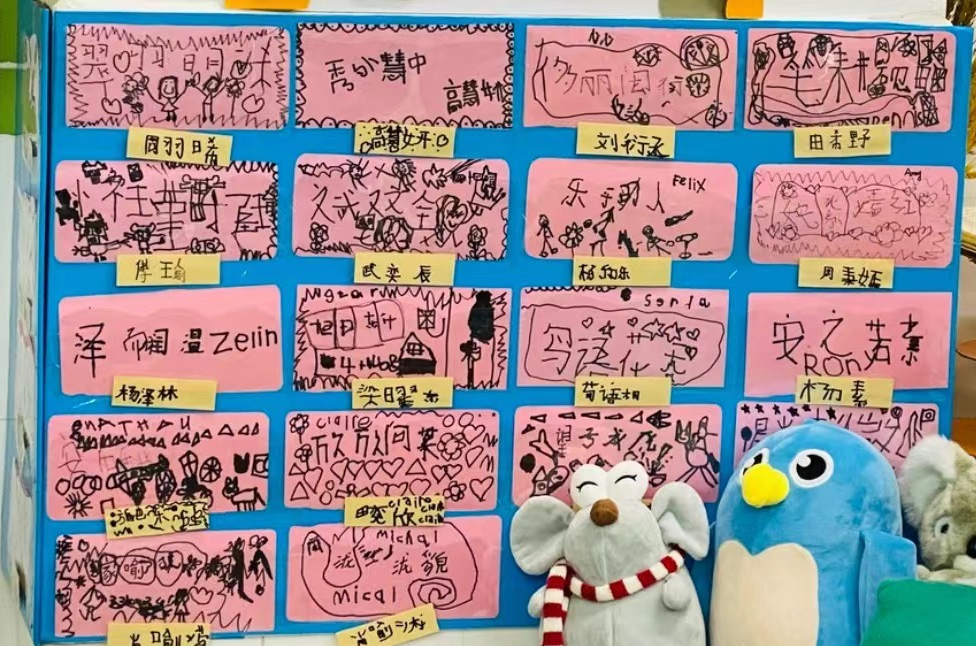
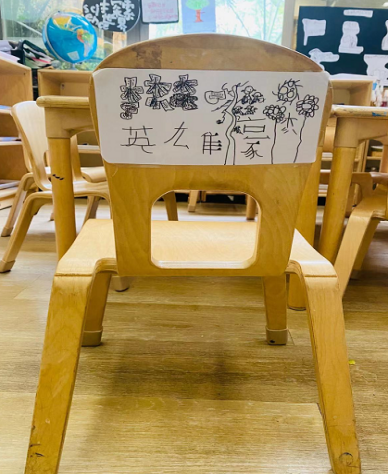
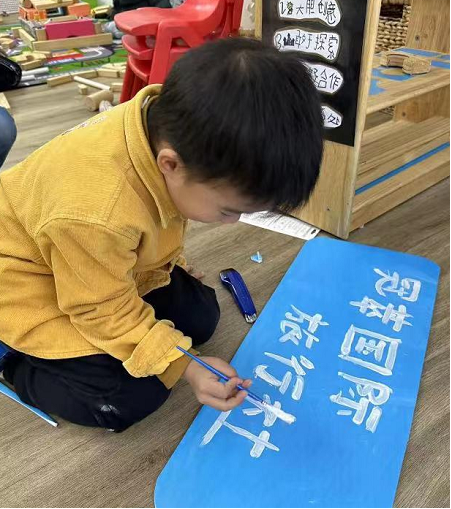
我们都知道,人会本能地倾向于关注那些与自己相关的元素,所以在班级环创中,教师可以尽可能创设更多与幼儿自身相关的文字元素,比如说姓***,自己制作的文字标签等。在冠萃,教师会邀请孩子们将自己姓名中所包含的成语制作成姓***,张贴在自己的椅子上、桌面上、墙面上等。每一次当孩子们看到或听到这些文字元素时,他们会自然的意识到这些文字与自己的关系,从而逐步加深对这些文字的认知理解。
Swipe For English→
As well as placing picture books, there are many elements in the classroom environment that can scaffold literacy learning for young children, such as area labels, name cards and the alphabet. A point worth noting is that we adults need to make sure that we can connect these word symbols to sounds and that the words will actually be mentioned and noticed.
There is no point having a sign on the door that says "door" if nobody asks the child “do you know what that says?”.
We all know that people instinctively tend to focus on elements that are relevant to them, so in the classroom environment, teachers can create as many written elements as possible that are relevant to the children themselves, such as name tags, self-made word labels, etc. At Crown Dream, teachers invite children to make name tags with the idioms contained in their names and post them on their chairs, desks, walls, etc. Each time the children see or hear these written elements, they will naturally become aware of how these words relate to them and thus gradually deepen their cognitive understanding of these words.
←Swipe For Chinese
关于这一点,塔索尼女士还建议道,我们要注重定期更新班级里的文字标识,以便儿童不会将其视为墙纸而逐渐忽视它的存在。
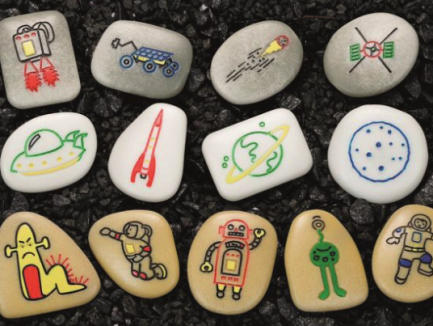
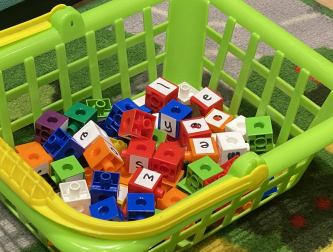
好奇心策略也可以运用在支架幼儿早期读写学习上,教师可以将文字的呈现方式变得更为多样有趣一些,比如说写在石头上、积木上,并且藏在班级角落里,引导孩子自己探索和发现。
鲁克斯女士说道:“每当我把这些印有单词的石头藏在某个地方,然后被孩子们发现时,我发现大多数孩子都很好奇,他们会主动问起这些单词。”
Swipe For English→
Signage in different areas is key to supporting literacy, but Ms Tassoni advises regularly refreshing it so that children dont see it as ‘wallpaper’.
Curiosity strategy can also be used to scaffold children's literacy learning by making the presentation of words more varied and interesting, for example by writing them on rocks or blocks and hiding them in the corners of the class to guide children to explore and discover them for themselves.
Ms Rooks says: “Whenever I hide these stones with words on them somewhere, I find most children are inquisitive, and they would ask about them when they are ready.”
←Swipe For Chinese
四
Letters and Sounds
文字与声音
根据发展很重要(Development Matter),儿童会在 30 至 50 个月时开始表现出对韵律和头韵的兴趣,并开始识别口语单词的节奏。在40到60个月时,他们可能会听到并说出单词中的首字母,将简单的单词中的声音分割并混合在一起,并将声音与字母联系起来。
事实上,正如发展很重要中所强调的那样,声音听觉学习也是幼儿早期读写技能发展的一大考察方面。在孩子识别字母之前,他们更加需要培养围绕听力和注意力的早期读写前技能。
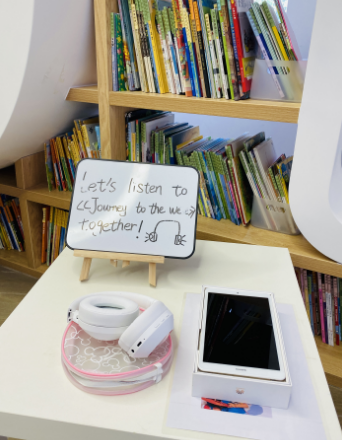
凯·鲁克斯说:“如果孩子们无法区分不同的声音,他们也无法区分不同的字母。”因此,她建议孩子们可以戴上耳机听故事,这不仅可以避免在读书的时候分心走神,还可以提升他们关于文字的语音素养。
Swipe For English→
According to Development Matter, children usually start to show awareness of rhyme and alliteration at 30 to 50 months, and recognise rhythm in spoken words. Between 40 and 60 months they may hear and say the initial sound in words, segment the sounds in simple words and blend them together, and link sounds to letters.
In fact, It is important to remember that before children recognise letters, they need to develop pre-literacy skills around listening and attention.
“If children cant differentiate between different sounds, they wont be able to do so between different letters”says Kay Rooks, who suggests children listen to story CDs with headphones on to avoid distractions.
←Swipe For Chinese
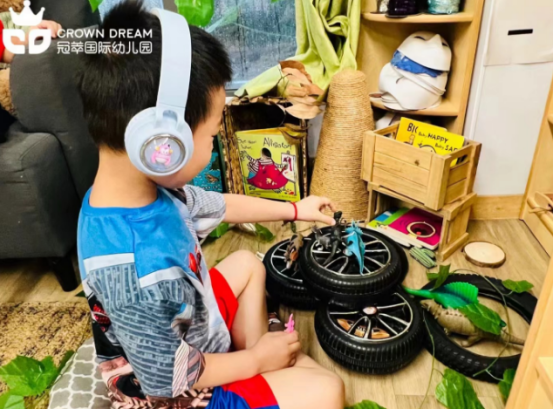
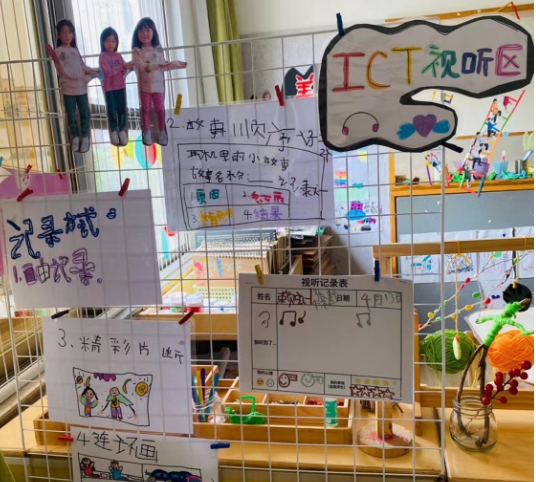
在冠萃,我们给孩子们额外设计一个视听ICT区,而这些视听区大都毗邻我们的图书角,目的就是为了确保幼儿进行视觉学习的同时,满足他们听觉和语言表达的发展需求。
Swipe For English→
At Crown Dream, we have an additional audio-visual ICT area for the children, which is mostly adjacent to our reading area, in order to ensure that the children's developmental needs for auditory and verbal expression are met alongside their visual learning.
←Swipe For Chinese
五
Mark-making
标记制作
对于尚不擅长用硬笔直接书写的学龄前幼儿来说,他们所参与的前书写活动可谓是一种极具刺激和趣味性的感官体验。
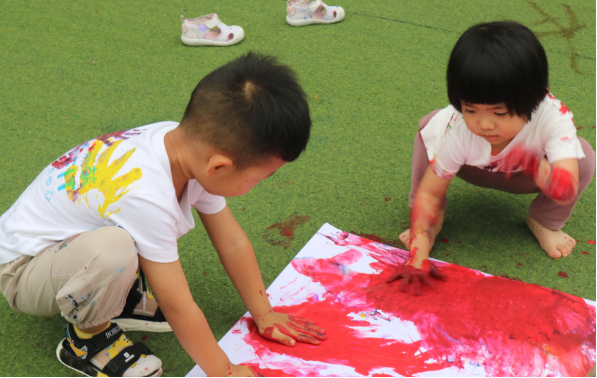
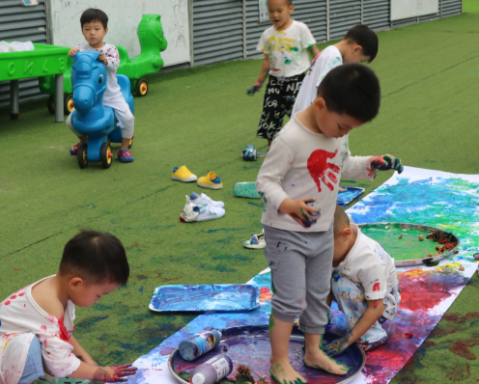
下图是冠萃2-3岁年龄段班级组织的一场小型脏玩活动。教师直接在地板上贴了一张白纸,然后让孩子们直接坐在各色各样的颜料旁,一双双灵活的小手和小脚肆意创作,在尽情玩耍的同时,感知痕迹是如何显现出来的,亲身感受什么是痕迹、什么是圆、什么是横、什么是竖。
Swipe For English→
Early mark-making is a sensory and physical experience for babies and toddlers.
The picture below shows a mess play activity organised for the 2-3 year old class at Crown Dream. The teacher let the children sit them in or beside gloop or paint, with big pieces of paper on the floor to get that vertical and horizontal experience.
←Swipe For Chinese
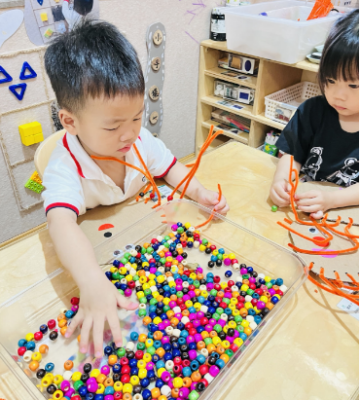
此外,发展精细运动技能对于幼儿后续书写技能的发展至关重要。
在英国特伦特河畔斯托克的 Field House 日托托儿所,经理 Nikki Flintham建议教师要将精细运动技能与识别和书写的能力联系起来,协同发展。
她说:“比如说镊子,可以用来将绒球放入管子中,还有小型汽车,可以沿着不同形状的道路行驶,这些对痕迹产生的感知、对工具的平衡控制,都将会为***终顺利写出文字或字母做准备。”
Swipe For English→
At the same time,developing fine motor skills is crucial for the later development of handwriting skills.
At Field House Day Care Nursery in Stoke-on-Trent, manager Nikki Flintham suggests using resources to link fine motor skills to the ability to recognise and write letters.
“These can include tweezers, which can be used to post pompoms into tubes, and small cars to drive along differently shaped roads as preparation for eventually forming letters.” she says.
←Swipe For Chinese
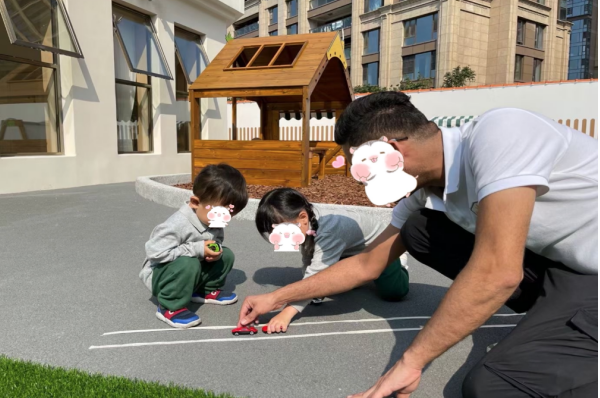
根据发展很重要(Development Matter),在30至50个月之间,孩子们可能会开始赋予他们在画画、写字和绘画时所作的标记以意义,在40至60个月之间,他们会开始使用一些清晰可辨的字母来传达意义,并开始写自己的名字和其他一些单词。
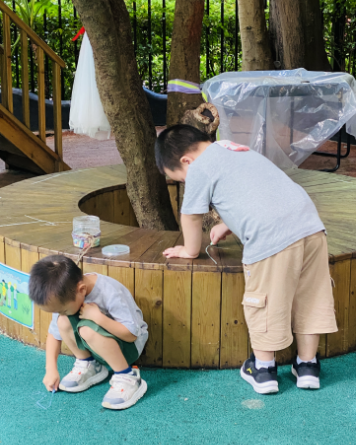
英国***扫盲信托基金的坎宁顿女士Cunnington认为,每个区域都应该有做标记的机会,无论是室内还是室外。“用粉笔、钢笔或颜料在纸上和人行道上做标记,甚至用棍子在泥里进行前书写活动,这些都有助于幼儿未来书写技能的发展。”
Swipe For English→
Development Matter said that between 30 and 50 months, children may start to give meaning to the marks they make as they draw, write and paint, and between 40 and 60 months they often start to use some clearly identifiable letters to communicate meaning, and begin to write their own name and some other words.
“Making marks with chalk, pens or paint on paper and pavements, or even using sticks in mud, supports future writing skill,” says National Literacy Trusts Ms Cunnington. “Mark-making opportunities should be available in every area, indoors and outdoors.”
←Swipe For Chinese
以上就是小编今天为大家所带来的幼儿早期读写技能发展的五个关注点。 下一期我们将会围绕幼儿前书写活动的组织方式和技巧进行分享,感兴趣的老师和家长朋友们还请多多期待哟。那么***还想再多说一句,其实无论你选择什么样的方式、使用什么类型的绘本、设计什么风格的图书阅读角来发展幼儿的早期读写率,这些都不是***重要的,***重要的是,你要清楚地知道,我为什么会选择这个,我希望这个物品能够为孩子们做些什么。
毕竟,归根结底,资源只是工具,而孩子学习中***重要的因素始终是成人的影响与帮助。
Swipe For English→
These are the five key points for the development of literacy skills in young children. In the next issue, we will be sharing information on how to organise mark-making activities for young children. If you are interested, please stay tuned.All in all, Whatever a setting uses to promote literacy, the important thing is that practitioners know why.We can ask ourselves why has this been chosen, and what are we hoping it is going to do for children.
After all, at the end of the day, resources are the tool, but the most significant factor in a childs learning is always the adult.
←Swipe For Chinese
绘本推荐网站Recommendations
BookTrust, https://www.booktrust.org.uk/books-and-reading/bookfinder/

★
参考文献:
· Jones, S. D. (2022). Best Practices in Early Childhood Literacy. Neag School of Education | UConn. https://education.uconn.edu/2021/10/20/best-practices-in-early-childhood-literacy
· Nursery Equipment: Literacy – Word play. (n.d.). Nursery World. https://www.nurseryworld.co.uk/features/article/nursery-equipment-literacy-word-play
· Revised EYFS - In focus. . . Literacy. (n.d.). Nursery World. https://www.nurseryworld.co.uk/features/article/revised-eyfs-in-focus-literacy
· What You Should Know About Preschool Literacy - Stay At Home Educator. (2022, July 26). Stay at Home Educator. https://stayathomeeducator.com/preschool-literacy-activities/
▲ 其他机构、私人不得擅自转载文中任何图片,
如文中肖像者本人或监护人对照片使用有疑问,
请留言联系我们,谢谢!
END
文章推荐
 :
 :hello@crowndream.cn


