


倾听儿童的艺术 -- 马赛克方法
作者:冠萃教育
浏览:
发表时间:2022-11-09 10:05:26

成为一名***教育从业者的秘籍之一就是倾听儿童并给予他们参与的机会。然而,在日常教学或生活中,“儿童失语”是一直困扰学前教育领域发展的一大难题。很多成年人会以儿童的身心发展水平尚未成熟和认知经验较为缺乏为由,将话语权和决定权牢牢掌握在自己手中,而儿童却处于“失语”状态,失去了表达自己的想法并得到回应的机会。然而,大量的研究表明,即使是未满周岁的儿童,他们也具备了认知世界和表达自我的能力。
“儿童的参与可以在决策制定的过程中发挥重要作用。因为他们独特的视角可以揭示出那些被成年人所遗漏的细节,来促使实践者们去探究和反思自己的想法,从而提升对于问题的***理解。”
因此,身为成年人,我们要做的并不是过分掌控孩子们的想法和行为,而是要为他们提供一个表达自我观点,并给与充分理解的环境。但是究竟如何在实践中满足儿童的表达需求,倾听他们的声音呢?围绕“倾听儿童”这一话题,今天想向大家介绍一种儿童参与式研究中的热门工具——马赛克方法。希望这个方法里所提到的案例,可以为大家提供一些实践性的指导意见。
Swipe For English→
One key point to being a good educator is to listen to children and give their opportunities to participate. However, in our daily teaching and life, 'child dissonance' has been a major problem in the development of early years education. Many adults use the excuse that children are so young and have little cognitive experience to control their children’s daily routine. While children are left 'voiceless' and deprived of the opportunity to express their ideas and receive a response. However, numerous studies have shown that even a infant has the ability to perceive the world and express themselves.
"Children's participation can play an important role in the process of making decision. Because their unique perspectives can reveal details that are missed by adults to prompt practitioners to explore and reflect on their own ideas, thereby enhancing a holistic understanding of the issue."
Therefore, as adults, we need to provide an environment in which children can express themselves and be fully understood, rather than being overly controlling of their thoughts and behaviour. But how do we meet children's needs for expression and listen to their voices in practice? Today we would like to introduce you to a popular tool in participatory research with children, the Mosaic Approach. We hope that the examples presented in this approach will provide some practical guidance.
←Swipe For Chinese
一、什么是倾听?
The definition of listening
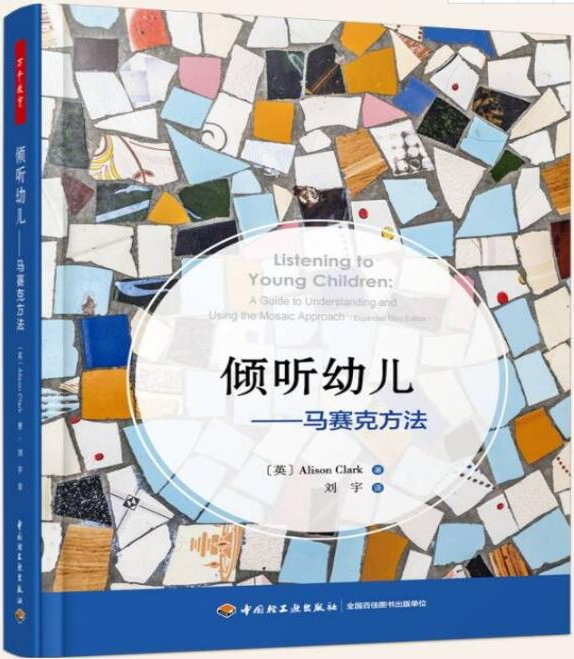
在介绍马赛克方法之前,如何正确理解“倾听”至关重要。英国伦敦大学学院的高级研究员,也就是马赛克方法的开创者Alison Clark认为,倾听不仅包括听取别人的观点,还意味着理解、建构意义并给予回应(Clark, 2003)。因此,这提醒了我们教师和家长朋友们:有效的倾听,需要我们注意积极回应和及时反馈孩子们的想法。
Swipe For English→
Before introducing the mosaic approach, it is important to understand the definition of “listening”. According to Alison Clark, a senior researcher at University College London and a pioneer of the mosaic approach, listening involves not only listening to others' ideas, but also understanding, constructing meaning and responding to them (Clark, 2003). It is therefore a reminder to teachers and parents that effective listening requires us to be aware of the need to respond positively and give timely feedback to children's ideas.
←Swipe For Chinese
1
除了倾听儿童的口头语言,马赛克方法的倾听框架还将“可视化”方法和“口语化”方法相结合,鼓励儿童通过使用各种富有创造性的表现方式,比如绘画和照片等,来与成人进行交流。这事实上可以确保我们照顾和考虑到那些处于前语言阶段儿童想要表达的想法。因此,我们在日常教学中,也需要注意倾听孩子们的身体语言,理解孩子们通过游戏、动作或其他表情反应和情绪变化来向我们诉说的内容,及时捕捉、倾听和反馈孩子们的真实需求。
Swipe For English→
In addition to listening to children's spoken language, the Mosaic Approach framework combines a 'visual' approach with an 'oral' approach, encouraging children to communicate with adults through the use of various creative expressions such as drawings and photographs. It can ensure that we cater for the ideas that children at the pre-verbal stage want to express. Therefore, in our daily teaching, we also need to “listen to”children's body language, understand what children are telling us through their actions, facial reactions and emotional changes, thus responding to children's real needs.
←Swipe For Chinese
二、什么是马赛克方法?
What is the Mosaic Approach?
马赛克方法源自于欧洲,是一种融合了多元方法和不同视角的儿童参与式研究方法。马赛克方法将儿童是学习的主导者和创造者作为其儿童观,它将很多参与性研究工具融入到传统的访谈、观察等研究方法中。我们成年人就可以通过孩子们在这些不同活动中的表现来获取他们的经验和看法。每一种方法获取的经验和看法都可以形成一片“马赛克”碎片,通过组合和整理,这些碎片就可以***地描绘儿童及其生活世界的完整图景,从而作为我们优化儿童发展与教育环境的基础。这就好比由一片片马赛克拼成的美丽图案,因此被称为“马赛克方法”。
Swipe For English→
The Mosaic Approach is a participatory research approach to children that incorporates multiple methods and different perspectives. It believes that children are creative and active, and it incorporates many participatory research tools into traditional research methods such as interviews and observations. We can capture the experiences and perceptions of children through their performance in these different activities. The experiences and perceptions gained through each of these methods can form a 'mosaic' of pieces which, when combined and organised, can provide a comprehensive picture of the child and his or her life world, and thus serve as the basis for optimising our child development and educational environment. This is like a beautiful pattern made up of pieces of mosaic, hence the term 'mosaic approach'.
←Swipe For Chinese
三、马赛克方法中的实践性工具
Practical tools in the Mosaic Approach
瑞吉欧的创始人马拉古兹说过,儿童有一百种语言。那我们也要有一百种倾听他们表达的方式,而马赛克方法就是实现这一目标的有利工具。马赛克方法中所包含的各式各样的活动可以使得儿童的学习和想法变得“可视化”,从而帮助成人读懂儿童那些与成人截然不同的表达方式,达到有效倾听的目的。
Swipe For English→
The founder of Reggio Emilia, Malaguzzi said that children have a hundred languages. Then we should also have a hundred ways of listening to their expression. The Mosaic Approach is a useful tool to achieve this. The various activities allow children's learning and ideas to be 'visualised', thus helping adults to read children's unique ways of expressing themselves and to listen effectively.
←Swipe For Chinese
自主拍摄 Photograph
相信很多教师和家长朋友们经常会举起手机,通过拍照来记录下孩子们的每个精彩瞬间。但是,请问你们有试过把相机的按钮交给孩子们,让他们记录下自己所想保存的时刻吗?
在马赛克方法中,让孩子们使用相机来拍下他们所想要记录的事物或者想要表达的感情就是一种较为常见且有效的倾听儿童的方式。通过拍摄,孩子们不仅会为他们所“生产”出来的艺术品感到骄傲和自信。我们也可以在与儿童共同讨论和欣赏照片的过程中,鼓励他们围绕自己的作品做出解释。透过儿童的视角,倾听他们想通过照片来表达什么。
相比于纸质静态的记录方式,数码相机的优点是可以让儿童及时查看他们所拍摄的照片,这可以使孩子们能够立刻评论和反思照片,不会因为冲洗照片耽误时间从而遗忘一些关键信息。如果照片不符合儿童的期望,他们也可以重新拍摄。当然,尽管那些照片被孩子们所放弃,但是我们仍要密切关注那些他们不喜欢的或者是没有满足他们意图的照片,因为这也是我们理解儿童想法的另一种角度。
Swipe For English→
Many parents and teachers may have the experience that use their phones or camera to record their children’s wonderful moment. But have you tried letting children record the moments they want to preserve freely?
In the mosaic approach, using a camera to capture what they want to record or what they want to express is a common and effective way of listening to children. By taking photographs, children not only feel proud and confident of the artwork they have 'produced'. We can also encourage children to explain their photographs with us. Listen to what the children are trying to say through their photographs through their own perspectives.
Compared to traditional paper work, the advantage of digital cameras is that they allow children to view their photographs in a timely manner. It allows children to comment and reflect on the photographs immediately and not forget key information due to delays in developing the photographs. They can also retake the photos if those photos do not satisfy the children's expectations. This is one thing which we need to mention, that even though those photos are discarded by the children, it is important to keep a close eye on the ones they don't like or that don't meet their intentions, as this is another way of understanding the children's thoughts.
←Swipe For Chinese
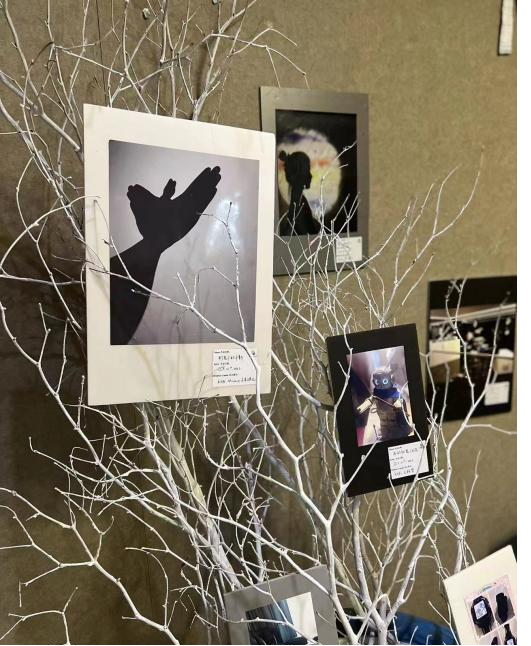
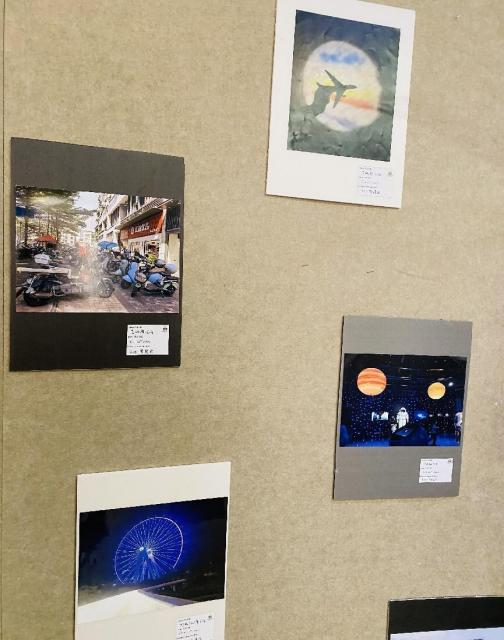
△ 图为冠萃鸿景园校区
-学生自主拍摄的作品
——科技摄影展
值得注意的是,为了降低使用电子数码产品的成本,我们可以给孩子们选择一次性相机供他们使用。这种相机不仅成本低、出片速度快,并且使用操作方法简单,可以降低幼儿因操作难度过大而失去兴趣的风险。这种一次性相机也更加小巧轻便,便于幼儿随身携带。
Swipe For English→
It is worth noting that to reduce the cost of using electronic digital products, we can give children the option of disposable cameras for them to use. Not only are these cameras less expensive and quicker to produce, they are also easier to use, reducing the risk of children losing interest if they are too difficult to use. These disposable cameras are also smaller and lighter, making them easier for children to carry around.
←Swipe For Chinese
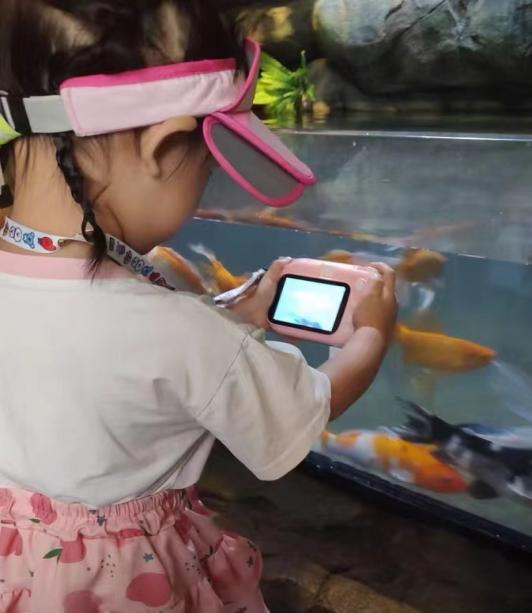
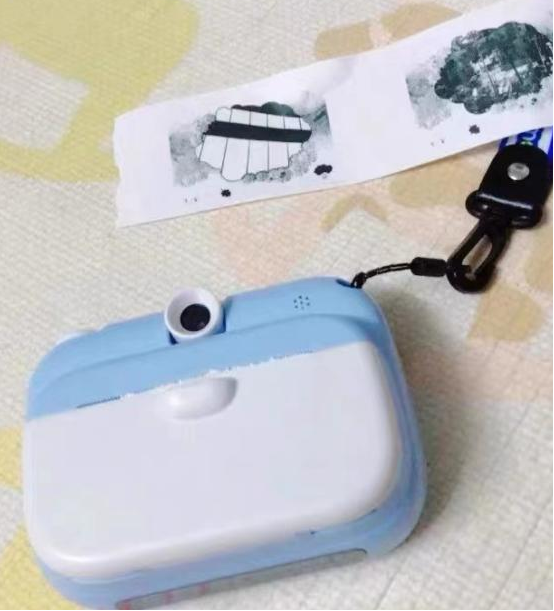
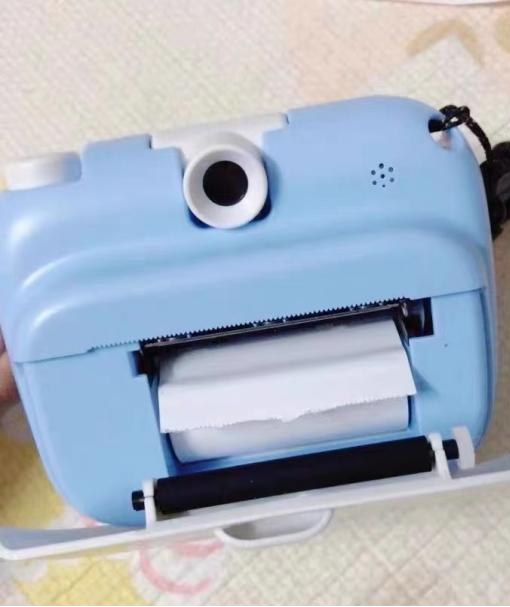
△ 一次性相机
图书制作和绘画 Making a book and Drawing
制作主题书其实是对于儿童参与式摄影的另一种拓展。孩子们需要从他们所拍摄的照片中挑选一张或几张特定照片放到主题书中,并且标注出对于照片的解释或自己的拍摄心得。在他们进行选择和粘贴照片时,与儿童进行交流和倾听是非常有价值的。这实际上也是通过儿童参与来深入获取儿童***信息的一种方式,因为我们可以根据儿童对照片的选择来探寻照片背后隐藏的真实想法。在这个过程中,我们要注意多使用开放性问题。例如,“你能跟我谈谈你的照片吗?”来倾听儿童的描述,切记避免自己对于儿童所选照片和想法的主观臆断。
除了挑选照片,孩子们也可以以绘画的形式来制作主题书。孩子们的想象力和创造力是无限的,有的时候,仅靠孩子们的语言表达,我们可能会难以想象到孩子们的真实想法。绘画则可以将孩子们的独特脑洞“可视化”,以书面化的方式直白的展示出来,从而更***地描绘出孩子及其生活的完整图景,增加我们对于孩子的理解。这个方法尤其适用于那些害羞、不善于语言表达的孩子们。
Swipe For English→
Creating a theme book is another extension of participatory photography for children. Children need to select one or more specific photographs to make a book, with an explanation of the photograph or their own experience of taking the photograph. It is valuable to talk and listen to the children when they select and paste the photos. It is actually a way of gaining in-depth information about the child through their participation. Because we can explore the hidden truths behind the photographs through their choices. In this process, we need to be careful to use more open-ended questions such as, "Can you talk to me about your photos?" to listen to the child's descriptions and to avoid making subjective assumptions about the child's choice of photographs and ideas.
As well as selecting photographs, children can also create themed books in the form of drawings. Children's imaginations and creativity are limitless and sometimes it can be difficult to imagine what they are really thinking with just their words. Drawing allows us to 'visualise' the child's unique ideas and present them in a straightforward way through paper work, thus increasing our understanding of the child. This method is particularly suitable for children who are shy and not very articulate.
←Swipe For Chinese
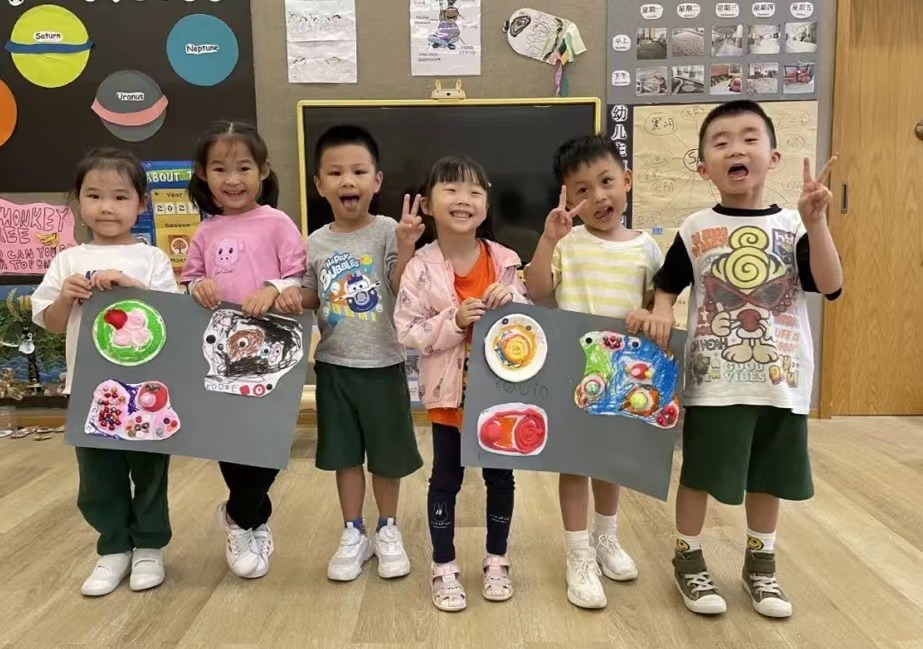
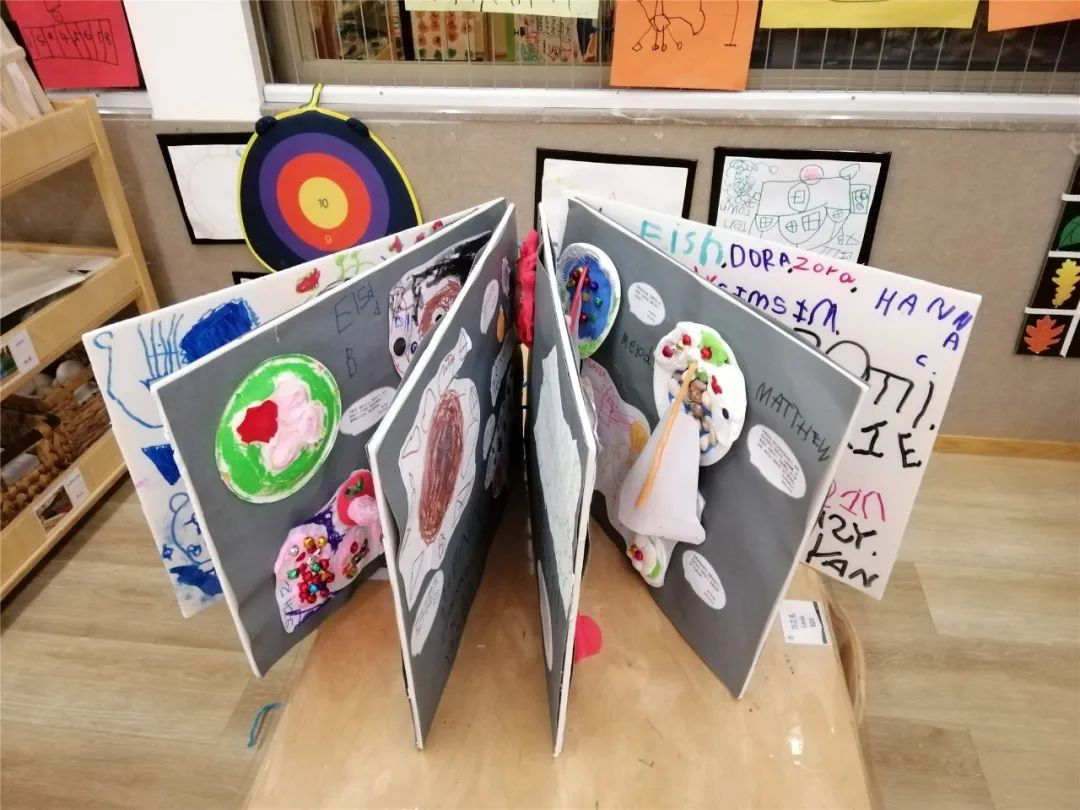
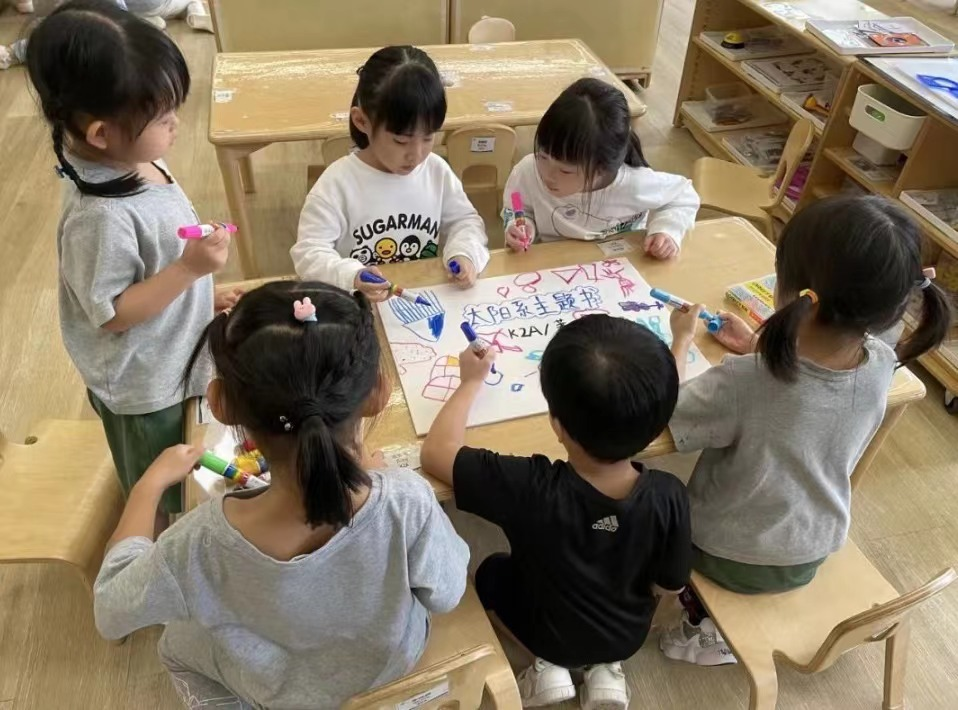
△ 图为鸿景园校区
-由学生设计的太空主题书
幼儿园之旅 -- 移步访谈 Walking interview
当我们想要了解孩子们对于他们所处的生活环境的看法时,我们就可以邀请他们作为小导游,来带我们参观游览。与传统的访谈形式不同,这种谈话方式完全由儿童主导,更为灵活轻松。孩子们不仅可以自主决定游览地点的先后顺序,他们还掌控着整次游览活动的解说和记录,比如录音、绘画、制作地图等。在跟随游览的过程中,我们可以根据孩子们的路线选择和解说,来直观感受到他们的选择偏好和优先级排序。我们也可以与孩子们积极沟通,比如说“你在这里都喜欢做什么呀?”,来获取儿童对于特定环境的理解和看法。
Swipe For English→
When we want to find out what the children think about the environment they live in, we can invite them to act as guides to show us around. Unlike the traditional interview format, this type of conversation is completely child-led and more flexible. Children can not only decide the visiting order, they also take control of the interpretation and recording of the whole tour. In this process, we can visualise children's preferences and priorities based on their route choices and interpretations. We can also actively communicate with children, for example by saying "What do you like to do here?" to gain children's understanding and perceptions of their particular environment.
←Swipe For Chinese
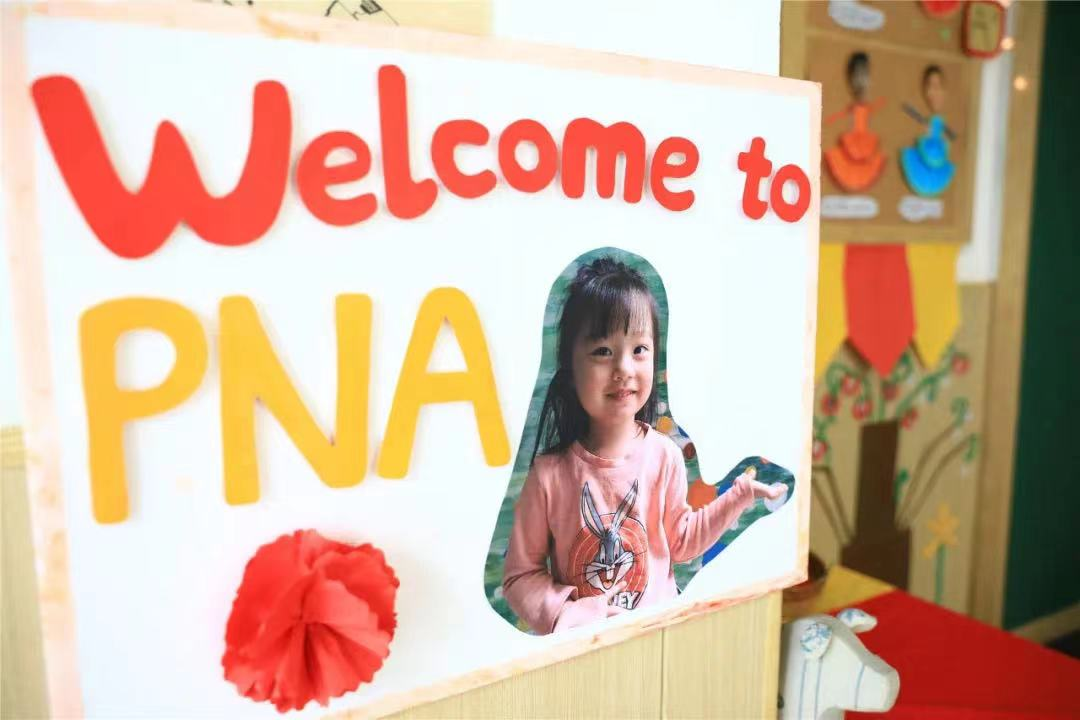
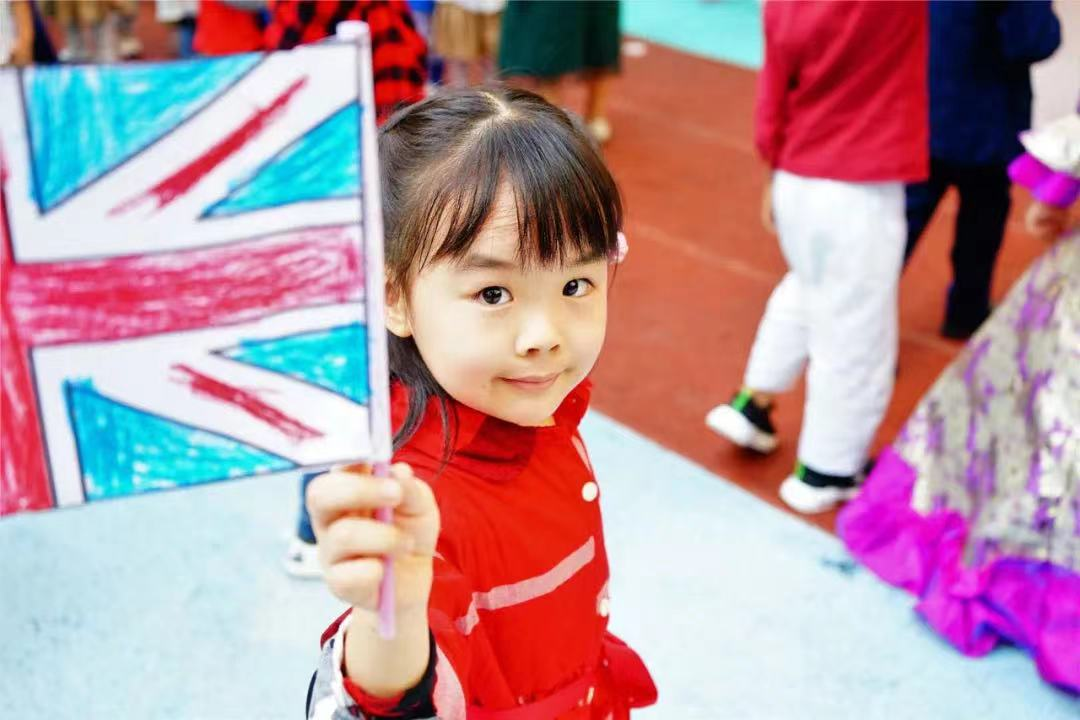
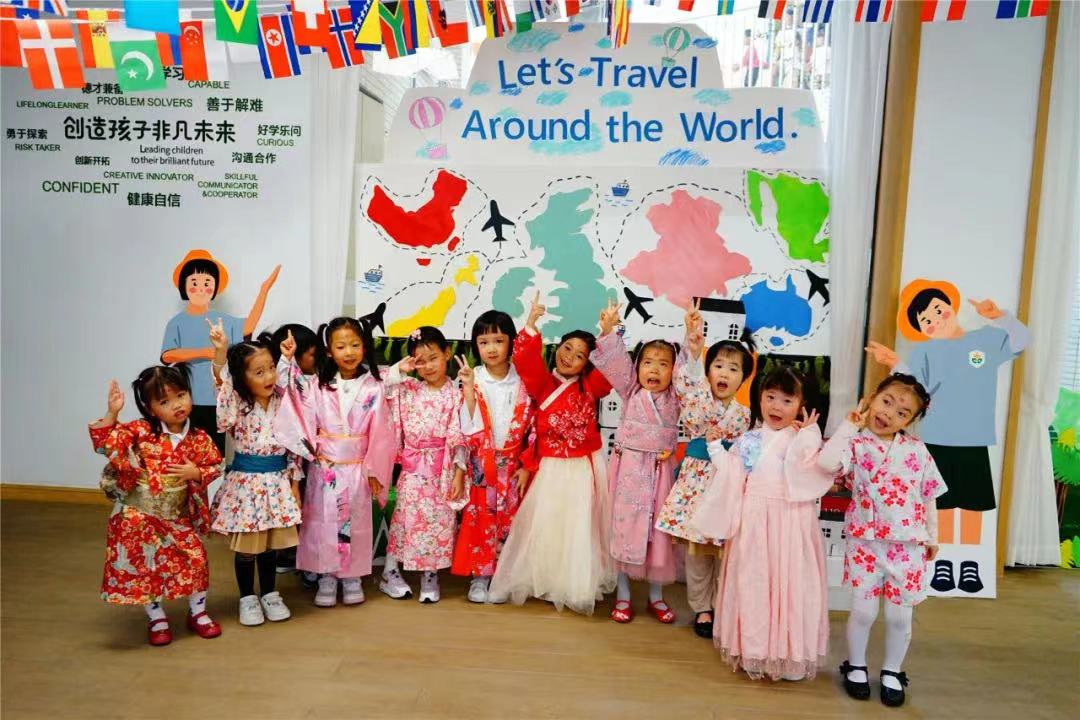
△ 图源自碧海云天校区
-学生们正在举行旅行参观活动
绘制地图 Map-making
马赛克方法强调要利用混合多元的方式来激发儿童观念的表达,所以我们在应用马赛克方法时,也要注意多种方式的使用和搭配。制作地图往往就与幼儿之旅紧密结合在一起。在游览结束后,孩子们可以将他们对这个场所的理解以地图的形式记录下来。与拍摄特写部位或局部区域的照片不同,地图的绘制可以展示出孩子们更为系统的、***的理解和认知,这为我们获取儿童想法提供了更为***多元化的记录角度。我们不仅可以通过孩子们在浏览过程中对于特定场景和物品的讲述来捕捉他们细节化的偏向和喜欢,我们还可以通过儿童所绘制的完整场景的地图来收集一些其他的、孩子们可能在浏览过程中遗漏或忘记讲述的内容。
Swipe For English→
The mosaic approach emphasises the need to use a mix of diverse approaches to stimulate the expression of children's ideas, so we also need to be aware of the use and mix of multiple approaches when applying the mosaic approach. Making a map is often combine with children’s visiting tour. At the end of the tour, children can record their understanding of the place through a map. Unlike taking photographs of close-up parts, mapping can show a more systematic and comprehensive understanding and perception of the children, which provides a more comprehensive and diverse perspective for capturing children's ideas. Not only can we capture children's detailed preferences and preferences through their narratives of particular scenes and objects as they navigate, but we can also use the maps of complete scenes drawn by children to gather additional information that children may have missed or forgotten to tell us as they navigate.
←Swipe For Chinese
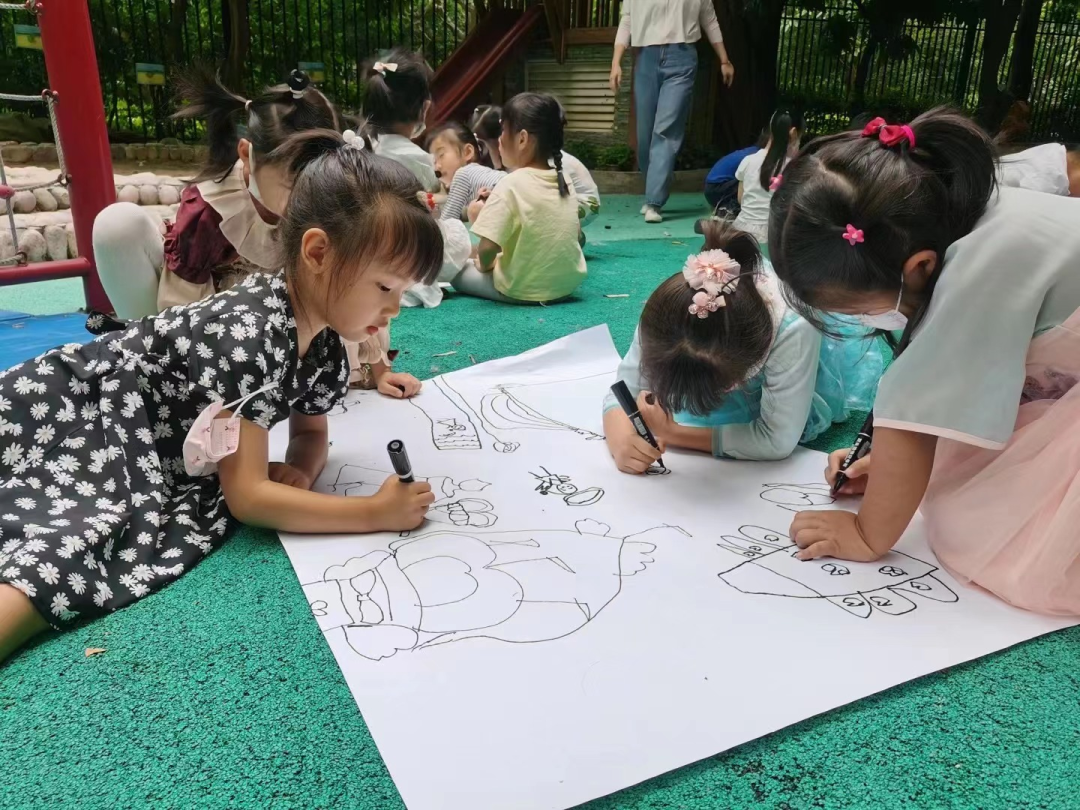
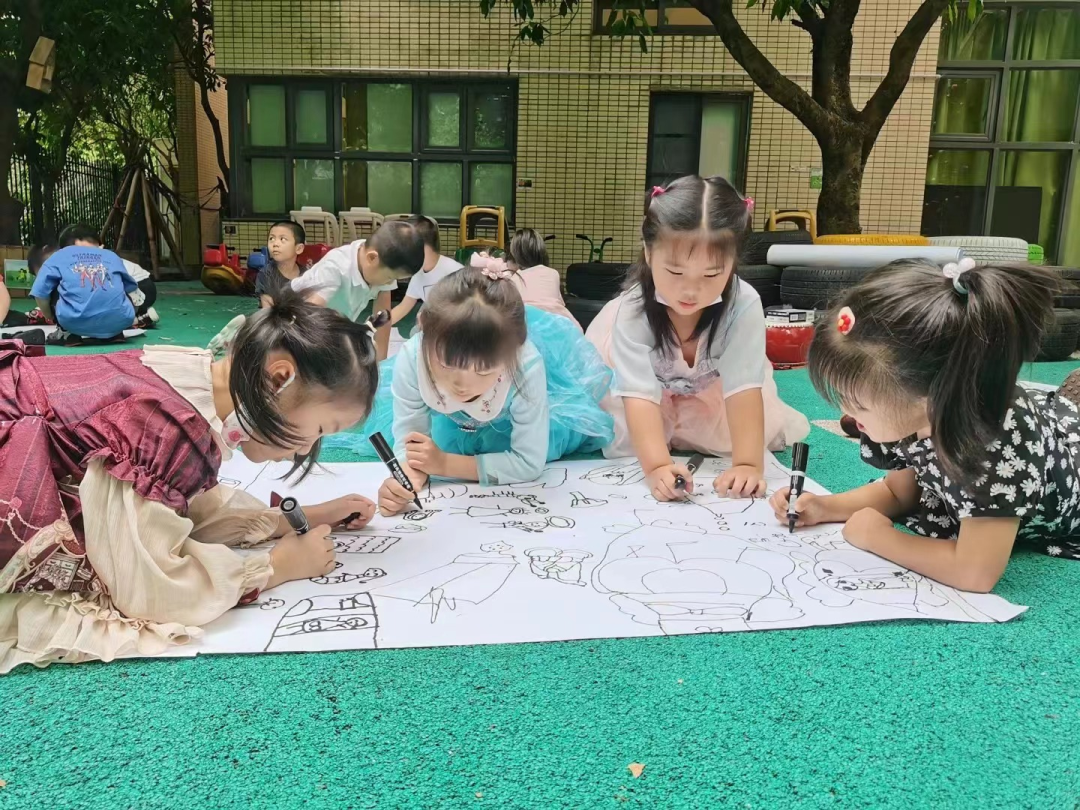
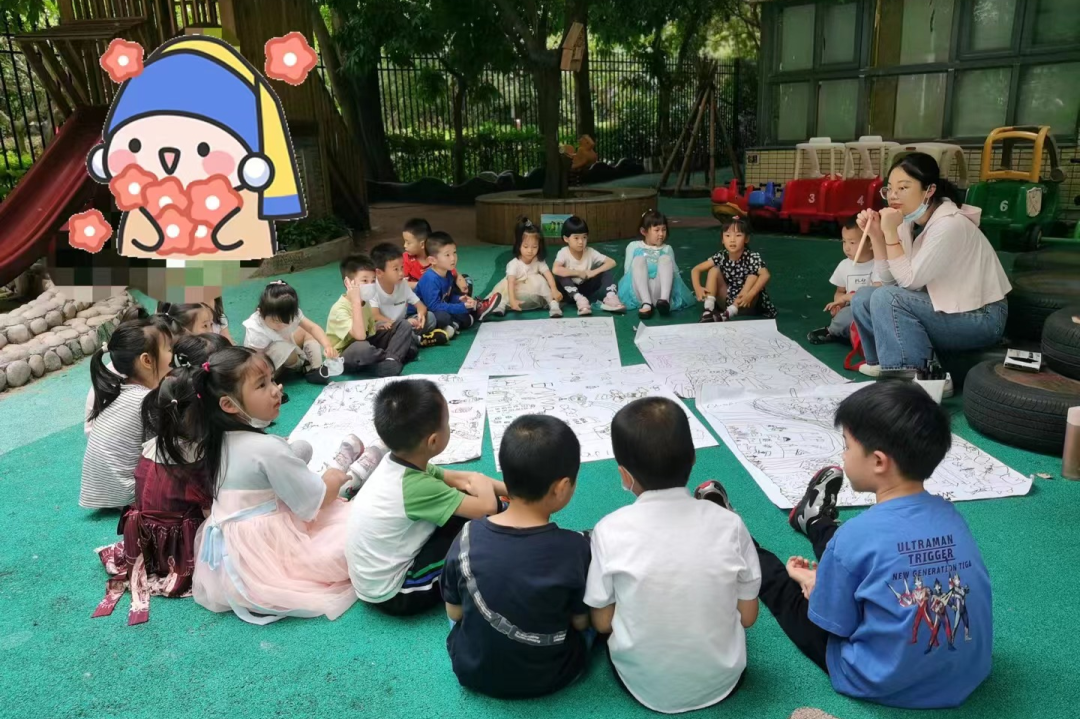
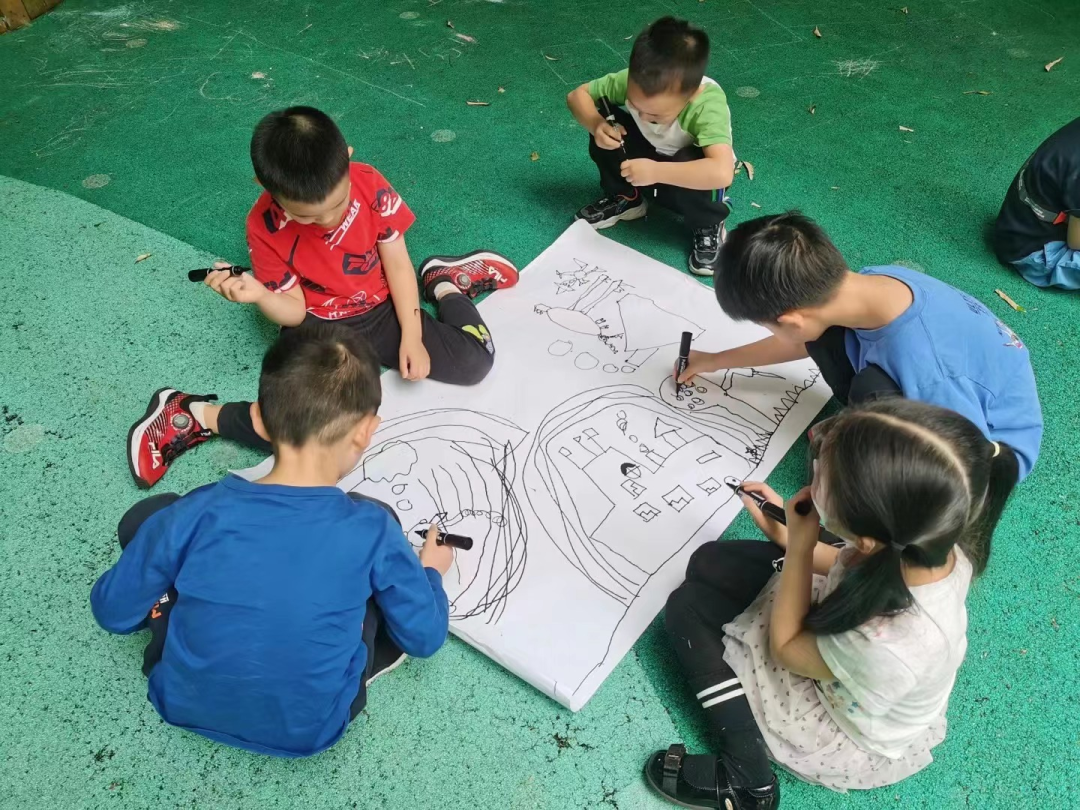
△ 图为碧海云天校区学生正在绘制他们眼中的幼儿园地图
角色扮演 Pretend playing
孩子们在角色扮演游戏中的行为表现也是我们获取儿童意见和想法的一大重要线索。角色扮演可以让儿童从高压、紧张的环境中解放出来,通过沉浸式的体验与玩耍,来展示和流露出他们内心的真实想法。我们可以提供特定主题类型的道具,来探索他们对于该主题的理解和看法。举个例子,当我想要知道孩子们对动物的了解时,我就会投放大量与动物有关的道具,比如小动物模型、动物头套或者服装。孩子们就会根据他们自己的认知和生活经历来创建游戏角色、设计故事情节。那么这些故事和角色的设定就成为了我们倾听和感受儿童的重要途径。
Swipe For English→
Pretend playing is also a great clue to how we get children's opinions and ideas. It allows children to be freed from high-pressure, and to show and reveal their innermost thoughts through immersive experiences and play. We can provide props of a particular theme type to explore their understanding and perception of that theme. For example, when I want to find out what children know about animals, I can provide lots of animal-related props such as small animal figures, animal headgear or costumes. Children then can create play characters and design stories based on their own perceptions and life experiences. These stories can become an important way of listening and feeling for the children.
←Swipe For Chinese
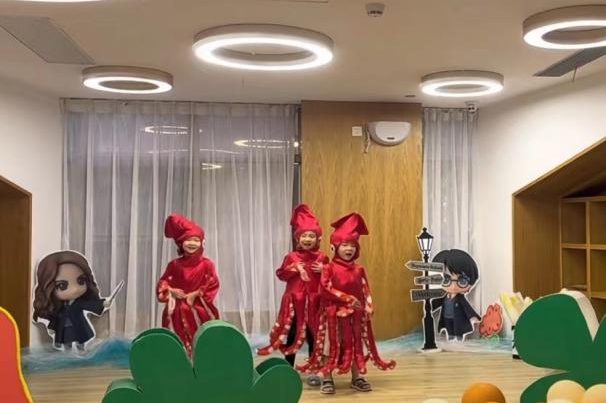
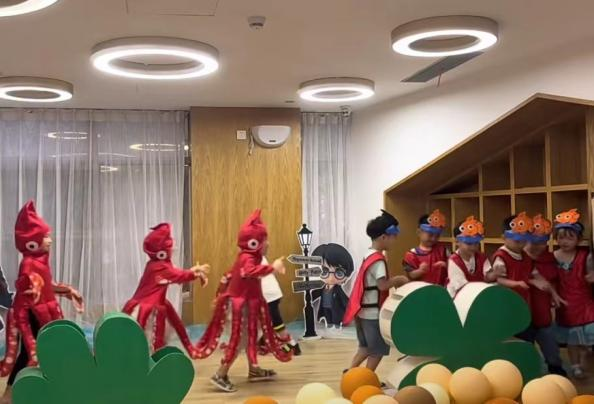
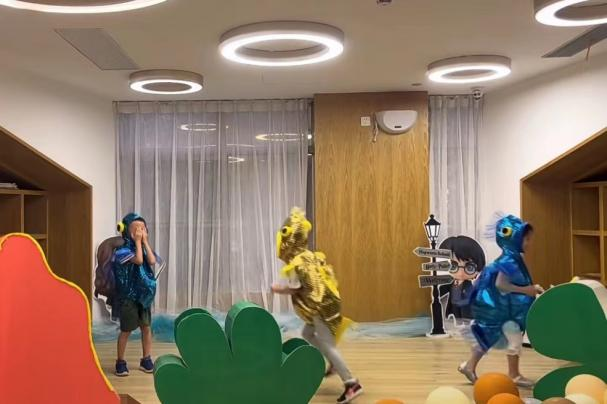
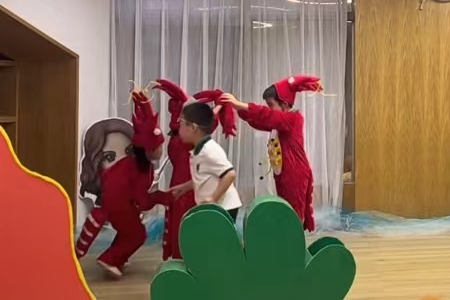
△ 图为碧海云天校区
-学生正在绘制他们眼中的幼儿园地图
魔毯 Magic carpet
作为马赛克家族中的一名新成员,很多老师和家长朋友们会在初见“魔毯”二字时感到新奇和陌生。但它所需要的材料其实在我们的日常生活中随处可见,就是幻灯片和地毯。我们可以搭建出一个小型影院,然后让孩子们坐在地毯上,观看投影仪所投放的幻灯片。黑暗的空间和投影仪的灯光给了孩子们沉浸式体验的机会。他们的视角就会跟随图片的变化而变化,小小的地毯就彷佛变成了阿拉丁神灯里的“魔毯”,带着孩子们穿梭在不同的环境或场景中。我们的职责就是随时观察并记录下儿童对于图片的反应,从而收集儿童的意见和想法。
Swipe For English→
As a new member of the mosaic family, many teachers and parents may think the word 'magic carpet' new and unfamiliar at first sight. However, the materials needed for this can be found everywhere in our daily lives - slides and carpets. We can set up a small cinema and let the children sit on the carpet and watch the slides from the projector. The dark space and the lights of the projector give the children the opportunity to immerse themselves in the experience. Their perspective would change while the pictures are switching, and the small carpet just becomes a 'magic carpet' from Aladdin's lamp, taking the children through different environments or scenarios. During this process, our responsibility is to observe and record the children's reactions to the pictures when they are watching, so that we can gather their opinions and ideas.
←Swipe For Chinese
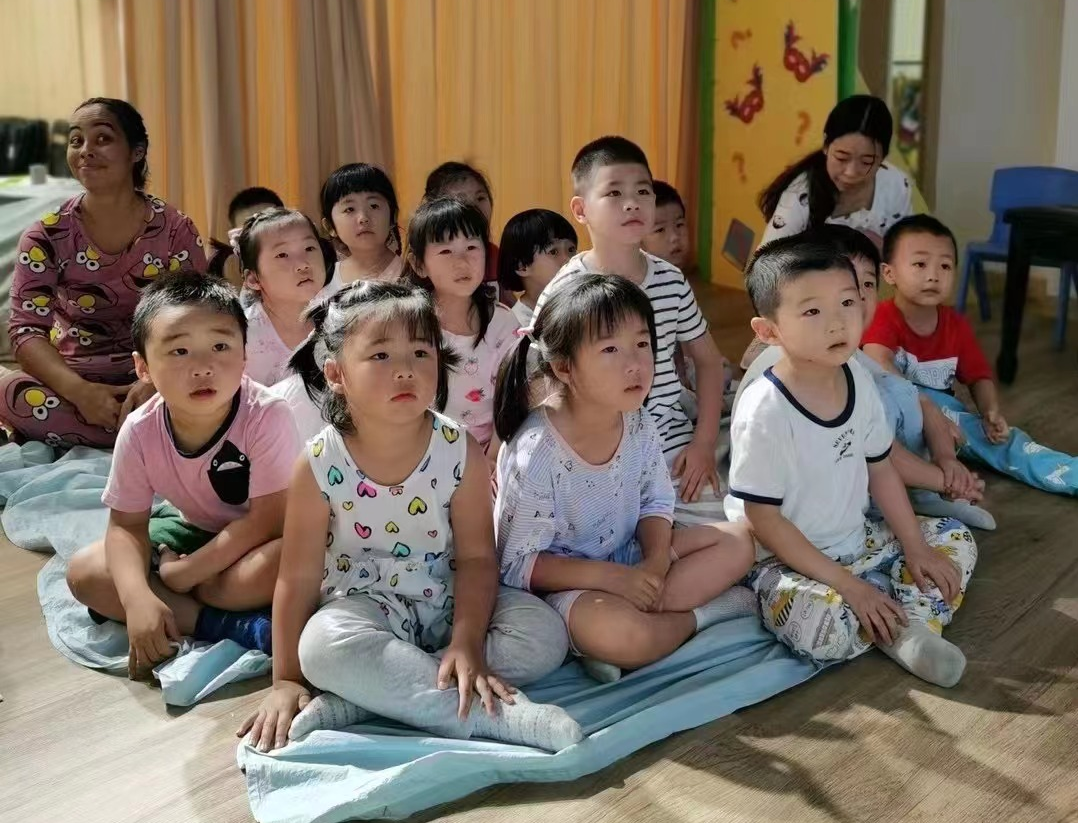
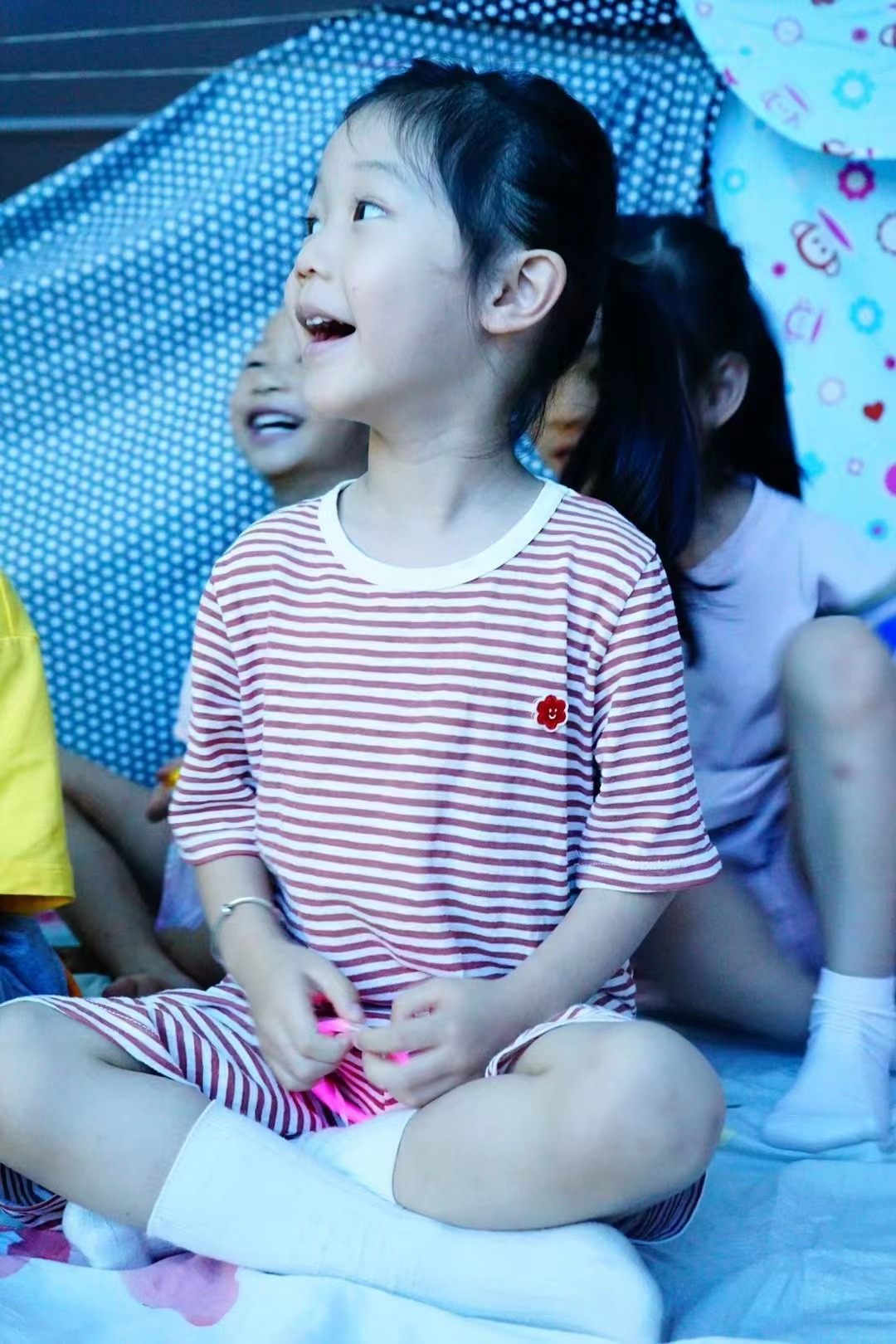
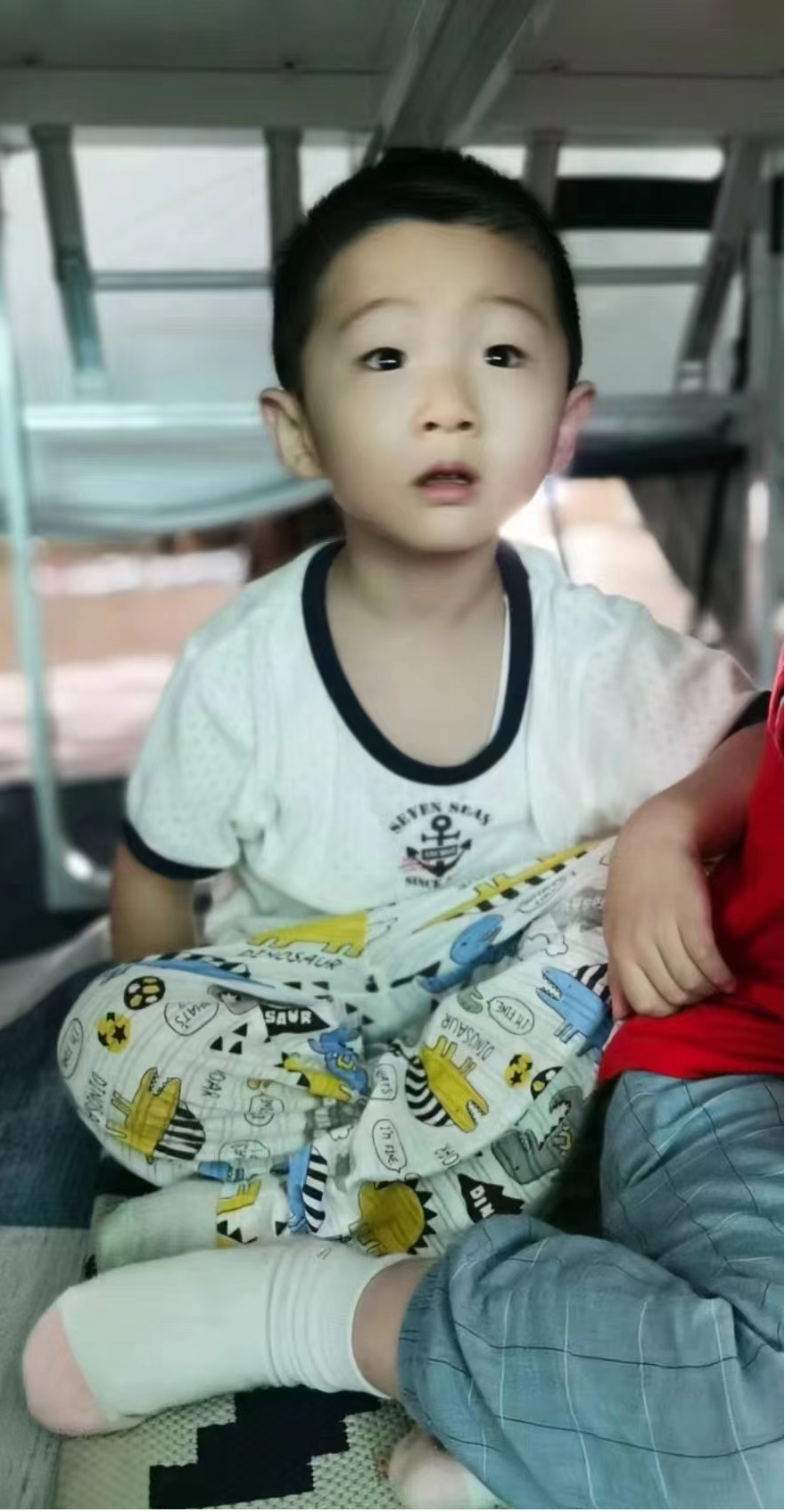
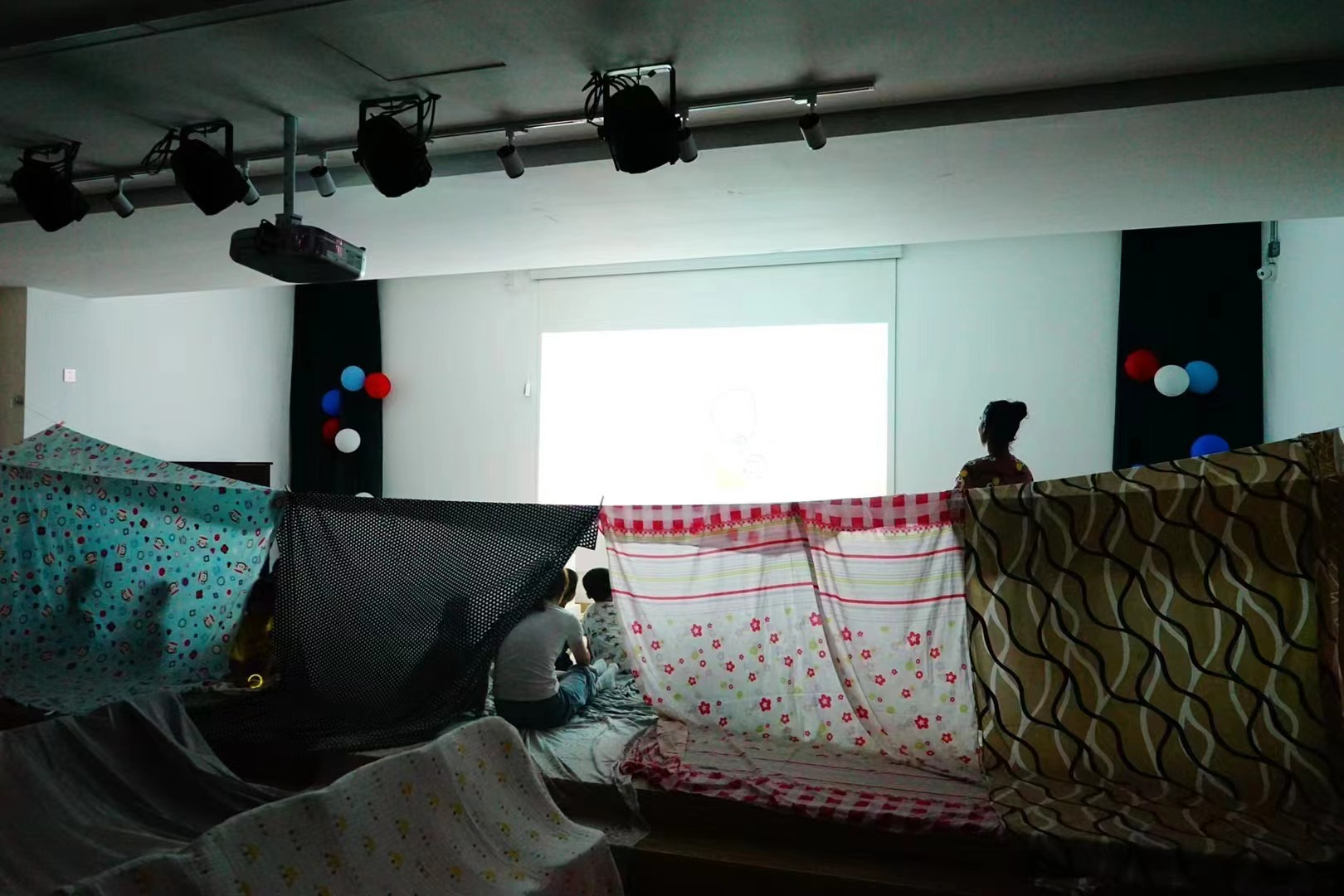
△ 图源自碧海云天校区
-奇妙的魔毯时空之旅
值得注意的是,上面分享的这几种方式只是马赛克方法中的一部分。Clark在设计马赛克方法时还特意增设了“空白方块”,其目的就是用来提醒我们不要局限于那几个常用的工具。马赛克方法在应用方面也非常注重灵活性和包容性,所以任何能够倾听儿童、让儿童亲身参与的研究工具都可以添加到马赛克方法中。
Swipe For English→
It is important to note that the approaches shared above are only part of the mosaic approach. Clark has designed the mosaic approach with 'blank squares' to remind us that we are not limited to a few common tools. The mosaic approach is also very flexible and inclusive in its application, so any research tool that listens to children and engages them personally can be added to the mosaic approach.
←Swipe For Chinese
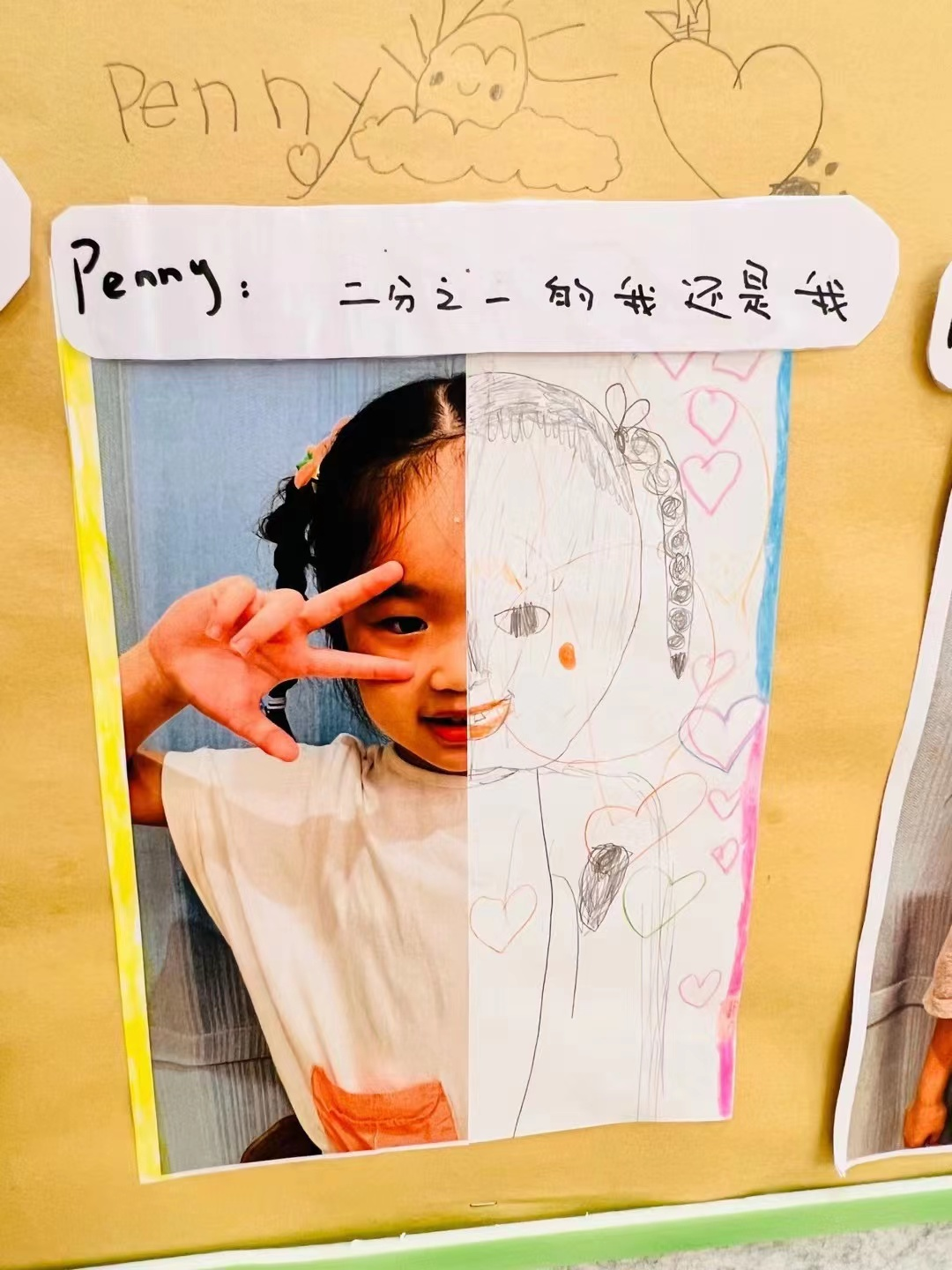
△ 图源自熙园校区 – ***的我
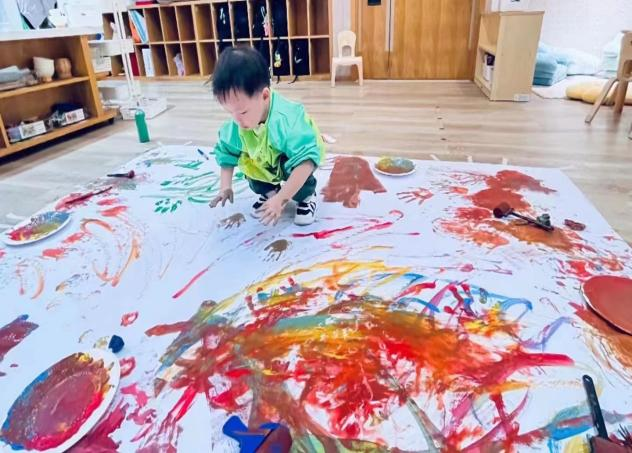
△ 图源自鸿景园校区
-脏脏的游戏也是学习
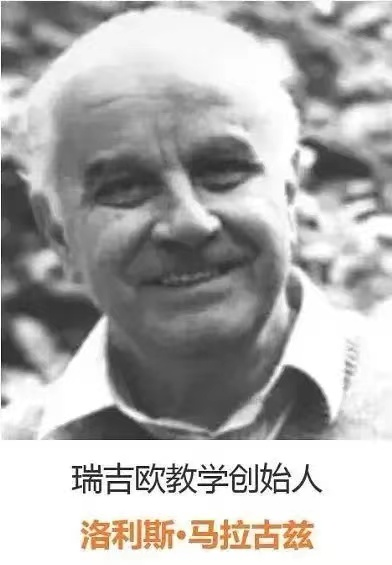 |  “儿童想被看见,但不想被评判。” ——洛利斯.马拉古兹 |
当我们成年人掌握了更多了解儿童的工具时,必须明白使用这些工具的目的并不在于“检测和评判”,而是让我们能更清晰地“看见儿童,读懂儿童”,并尽自己***的能力,支架儿童成为这个世界上***的、***美好的自己。
Swipe For English→
When we acquire more tools to understand children, it is important to understand that the purpose of using these tools is not to 'test and judge', but to enable us to 'see and read children' more clearly and to support them to the best of our ability to be their unique and best selves in the world.
←Swipe For Chinese
★
参考文献:
Clark Alison Moss Peter National Children’s Bureau. (2003). Listening to Young Children: The Mosaic approach. National Children’s Bureau.
李敏谊;秦思语;李峰;支持儿童参与,提升幼儿园教育质量——马赛克方法中国化的理论与实践探索[J];学前教育;2022年01期.
▲ 其他机构、私人不得擅自转载文中任何图片,
如文中肖像者本人或监护人对照片使用有疑问,
请留言联系我们,谢谢!
END
文章推荐
 :
 :hello@crowndream.cn


