


走近独自闪耀的“星星”
作者:冠萃教育
浏览:
发表时间:2021-04-06 09:46:34
世界自闭症
意识提高日
The just passed April Fool's Day was a playful day, but do you know what day is it today? Actually, in 2007, in order to raise awareness and acceptance of autism and encourage people to take care of them, The United Nations General Assembly unanimously declared 2 April as World Autism Awareness Day.
刚刚过去的4月1日愚人节是一个俏皮又活泼的日子,那么大家知道今天是什么日子吗?其实在2007年,为了提高人们对自闭症的认识,促进大家对自闭症群体的关爱和包容,联合国大会宣布将每年的4月2日定为世界提高自闭症意识日。
Do you know the story of the "52 Hz whale"? A whale that belonged to the Pacific Ocean was discovered at the coast of Israel in 1989. His calls are at 52Hz, which is different from all other whales. It became known as "the world's loneliest whale".
或许,你知道一条“52赫兹鲸鱼”的故事吗?1989年,人们在以色列沿海发现了一条本属于太平洋的鲸鱼。他唱着与其他鲸鱼们不同的“52赫兹”的歌,从太平洋独自辗转到了地中海,被称为“世界上***孤独的鲸鱼”。
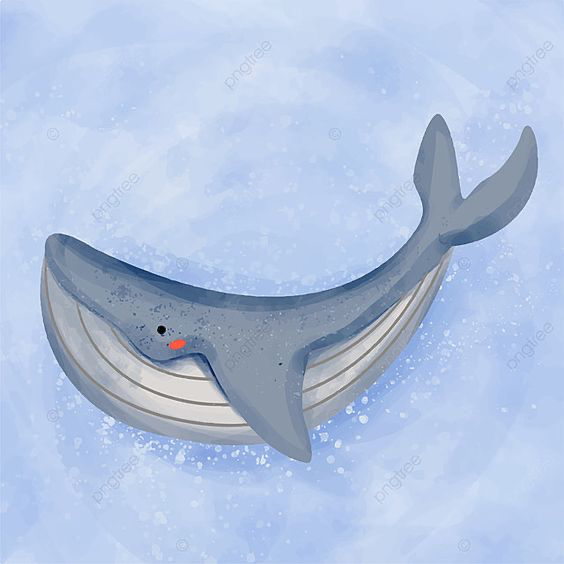
Just like the lonely whale, there are some children around us. They are not very similar to most children. They are called "children from stars", because they live in their own world, just like the lonely shining stars. Today is World Autism Awareness Day, so let's get closer to them and learn something about autism!
我们身边也有这样的一群独特的孩子,发出与大多数孩子不太相同的频率。他们被称为是“来自星星的孩子”,因为他们像天上的星星一样独自闪耀,活在自己的世界里。今天是世界提高自闭症意识日,让我们一起走近他们的星空,了解一些关于自闭症的知识吧!
什么是自闭症?
What is Autism?
According to American Psychology Association, autism is not an illness but a neurodevelopmental disorder. The cause of autism is still unknown. It begins in early years and it is a lifelong condition.
根据美国心理协会(APA, American Psychology Association) 的定义,自闭症并不是一种疾病(illness),而是一种神经发育失调(neurodevelopment disorder),成因尚不明确。它始于生命发育的早期,并且持续终身。
When we talking about autism, we are actually referring to Autism Spectrum Disorder (ASD). ASD is an umbrella term that covers typical autistic disorder,atypical autism and other pervasive developmental disorder (DSM-5, 2013).
我们常说的自闭症,其实常常指的是自闭症谱系障碍(ASD, Autism Spectrum Disorder),也叫泛自闭症障碍。ASD是根据典型自闭症的核心症状,进行扩展定义的广泛意义上的自闭症,既包括了典型自闭症,也包括了非典型自闭症,又包括了自闭症边缘、自闭症疑似、自闭症倾向、发育迟缓等症状 (DSM-5, 2013)。
自闭症的孩子有什么迹象?
What are signs of autism?
According to the Diagnostic and Statistical Manual 5th (DSM-5) of Mental Disorders, a guide released by the American Psychiatric Association for the diagnosis of mental disorders, children with ASD usually have these signs:
根据美国精神病学协会为诊断精神障碍而创建的指南《精神疾病诊断和统计手册》(DSM-5),自闭症的孩子常常会有以下迹象:
- Difficulty at communicating and social. Children with autism often do not respond when called by name and always avoid eye contact. And do not respond to your smile.
- 难以与他人沟通和互动。自闭症的幼儿在被叫到名字时常常不会回复,也总是避免目光接触。当对他们微笑时,他们不会以微笑回复。
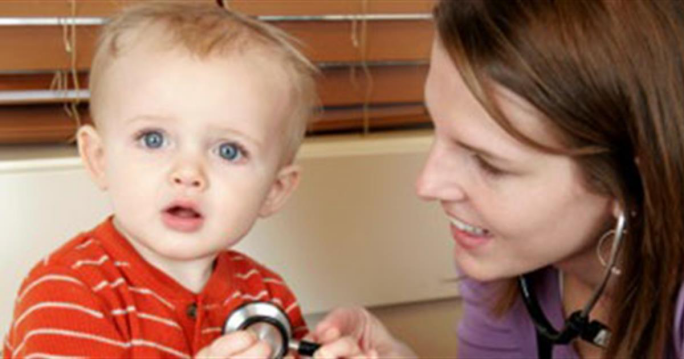
△ 自闭症的孩子总是避免眼神交流
- Can’t understand other people’s feeling. For example, they don’t know it would make others feel angry when ruined other children’s toy.
- 难以理解他人的想法或感觉,例如不知道踢倒其他孩子的玩具会让他们生气。

△自闭症的孩子难以理解他人的情绪,
不知道自己的某些行为会使他人不高兴
- Limited interests and activity, only attracted by limited things and can be very addicted to it.
- 兴趣和活动范围狭窄,只对有限的事物感兴趣并会对其十分专注
- Repeating same word or behavior. For example, repeating beat their own head.
- 总是刻板重复同一行为。例如总是拍打自己的头,弹手指或者摇晃身体。在语言方面,也会经常重复某一个词或某一句话,例如在各种场合下都一直重复说着“小汽车,小汽车”。
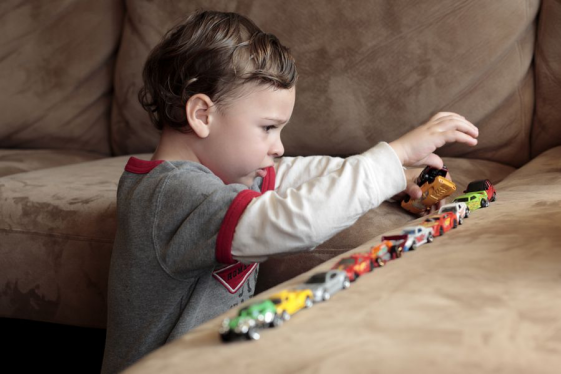
△自闭症的孩子重复按照顺序排列小汽车
- Particularly sensitive to sensory stimuli. For example, they may feel uncomfortable and anxious when they hear music that other children feel okay.
- 对外界的感官刺激特别敏感,例如听到其他孩子并不觉得刺耳的音乐时,他们会觉得很不舒服并且感到焦虑。
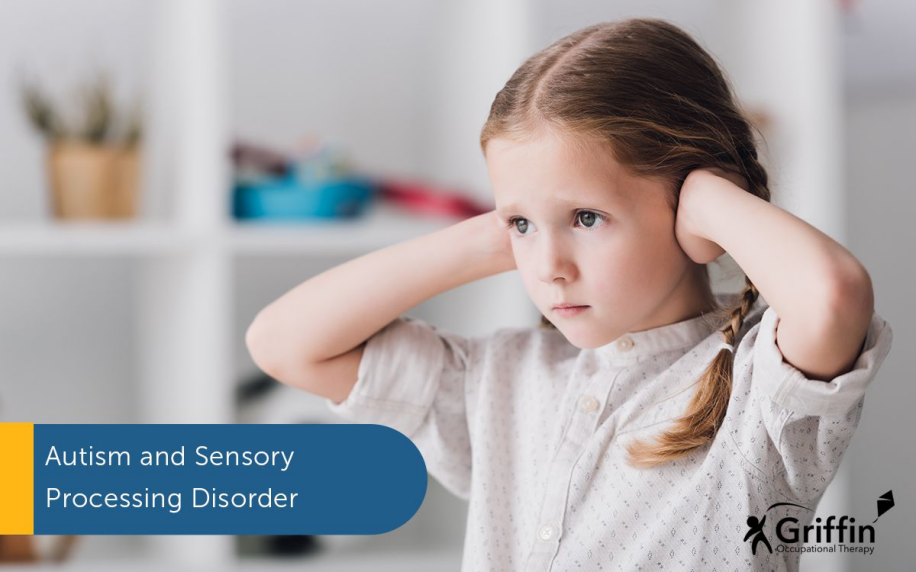
△自闭症的孩子对感官刺激非常敏感
Previous researches showed that early intervention for children with autism not only improves their social and communication skills, but also prevents those detrimental behaviours from becoming daily habits (Granpeesheh et al., 2009; Javier et al., 2013). Therefore, early intervention is essential for children’s development.
有大量的研究表明,自闭症的早期干预不仅可以提高孩子的社交和沟通技能,***孩子的后期发展,也能防止孩子一些不利于发展的行为成为一种日常习惯(Granpeesheh et al., 2009; Javier et al., 2013)。因此,当发现孩子有这些迹象时,越早带孩子去做检查,对孩子的未来发展越好。
Is autism rare?
那么,只有很少数的孩子有自闭症吗?
Actually, autism is not uncommon. According to the World Health Organisation (WHO), 1 in 160 children have ASD. In China, the first large-scale Chinese epidemiological study found that 1 in 100 children have ASD, the prevalence is same as western countries (Sun et al., 2019).
实际上,自闭症并不罕见。根据世界卫生组织WHO的报告,在全球范围内,每160名儿童中就有1名有ASD 。在中国,首次大规模的中国流行病学研究发现,每100个孩子中就有一个有自闭症,数据与西方***也相一致 (Sun et al., 2019)。
Besides, being autistic does not have to stop you having a good life. Firstly, every child with autism are different; some children with autism need little or no support, while others may need help from a parent or carer every day. Secondly, being autistic only means that your brain works in a different way from other people. These kind of differences can sometimes cause trouble in daily life, but sometimes highlight their unique talents (Watanabe, Rees& Masuda, 2019). For example, being autistic makes it difficult for a child with his social, but endows him brilliant drawing talent.
并且,有自闭症并不意味着不能过上美好的生活。首先,每个自闭症的孩子的特征都不相同,有的自闭症孩子几乎不需要任何额外的帮助,而有的自闭症孩子每天都需要父母或老师的支持和帮助才能进行日常活动。其次,有自闭症只是意味着孩子的大脑是以不同于常人的方式在处理信息,这些不同有时会给自闭症孩子的生活造成困扰,但有时候却又能彰显他们独特的天赋 (Watanabe, Rees& Masuda, 2019)。例如,这种独特的大脑信息处理方式有时会让孩子无法进行社交,但同时这种独特的信息处理方式又使他们拥有出色的绘画能力。
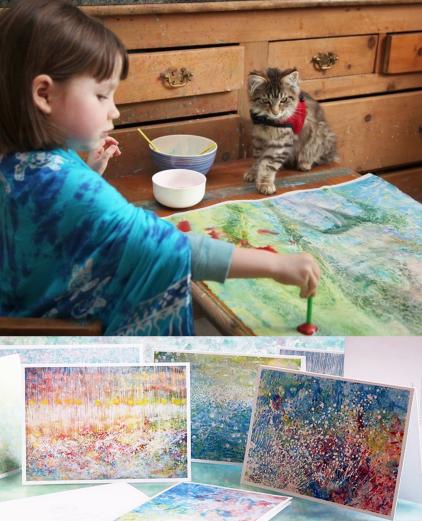
△一位5岁的自闭症女孩创作的令人难以置信的画作
对于自闭症孩子,
家长和老师能如何提供支持?
How to support children with autism?
For children with autism, supporting can be listed as followed:
对于有自闭症的孩子,家长和老师的帮助能分为以下几个部分:
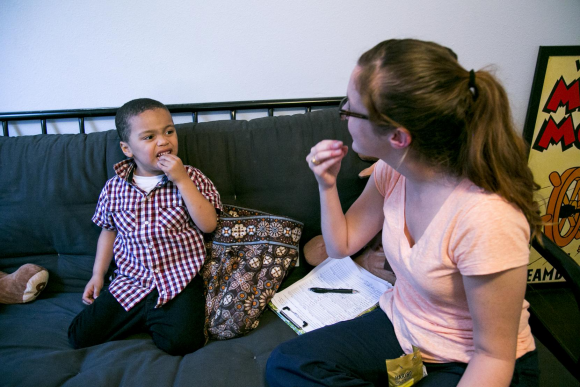
1. Help your child to communicate
· Use your child's name so they know you're speaking to them
· Try not to ask your child lots of questions
· Keep language simple and clear
· Speak slowly and clearly
· Allow extra time for your child to understand what you have said
· Use simple gestures or pictures to support what you're saying
1. 帮助孩子进行沟通
· 用孩子的名字叫他们,这样他们这样他们就知道你在和他们说话
· 尽量不要问孩子太多问题。超出孩子能力的问题会使他们感到焦虑
· 使用简单明了的语言
· 放慢语速并把每个字都发清楚
· 给孩子额外的时间来理解你说的话
· 使用简单的手势,动作或图片来帮助孩子理解你说的话
2.Dealing with anxiety
2.处理孩子的焦虑情绪
Children with autism are easy to anxiety. It's often caused by not being able to make sense of things going on around them and their high sensory sensitive.
自闭症的孩子很容易焦虑,这通常是因为他们无法理解周围发生的事情且有很高的感官敏感度。
Imagine that when you come to the nursery, you can not make sense of things going on around you; the surroundings are noisy, and the light is dazzling...You want to tell others that you are uncomfortable but you can't let them know your feeling......
试想一下,当你每天来到幼儿园,身边的大人和同伴跟你站在一起,你却不知道他们行为的意义;耳边是吵闹的声音,眼前是刺眼的灯光。你想告诉大家你不舒服,却无法让大家知道你的感受……
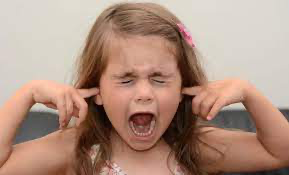
Do these feelings also make you feel anxious? Therefore, it is important to help children with autism deal with their anxiety. Firstly, parents and teachers need to find out why your child's feeling anxious. Is the music too loud? Or the colours on the walls too bright? Or maybe changed routine that they are used to? By analysing the cause of your child's anxiety, you can find ways to deal with it. For example, take children to a quiet room, let children know the change previously, and use visual schedule to help them to understand.
这些感受是否也会让你觉得焦虑呢?因此,帮助自闭症的孩子处理焦虑是非常必要的。家长和老师首先需要找出孩子焦虑的原因——是因为环境里的音乐太大声了吗?还是周围的墙面色彩太鲜艳了?又或者是孩子习惯的日常发生了改变呢?通过分析孩子焦虑的原因,有针对性的帮助孩子改变环境,例如带孩子去一个安静的房间,提前几天告诉孩子今天的日常会发生改变,并把事情变化放到可视化时间表中帮助孩子理解……

△有助于自闭症孩子理解事情的可视化时间表
3.Help children with their sleeping
Many autistic children find it hard to get to sleep, or wake up several times during the night. This may be because of:
· anxiety
· sensitivity to the light from smartphones or tablets
· problems with the sleep hormone melatonin
3.处理孩子的睡眠问题
许多自闭症儿童很难入睡,或者容易在晚上多次醒来。这可能是由于:
· 焦虑
· 对智能手机或平板电脑的光线敏感
· 大脑分泌褪黑素(人体用于调节睡眠和苏醒周期的激素)的情况异常
You can help your child by:
家长和老师可以通过以下几点来帮助难以入睡的自闭症孩子:
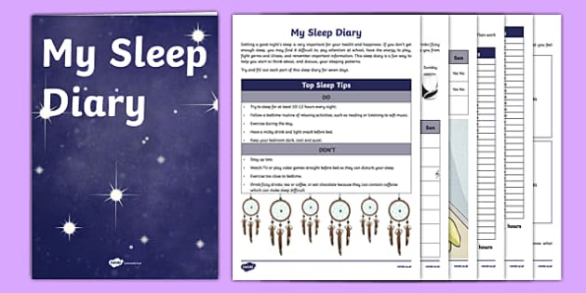
△自闭症孩子的睡眠记录
· keeping a sleep diary of how your child sleeps to help you spot any common issues
· sticking to the same bedtime routine
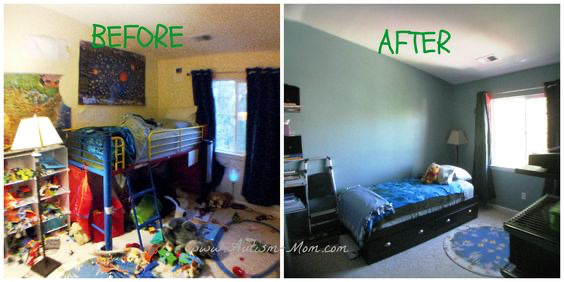
· making sure their bedroom is dark and tidy
· letting them wear ear plugs if they agree
· 记录孩子关于如何入睡,睡了多久,夜间醒了几次的睡眠记录,它可以帮助你发现各种问题
· 坚持每天在同样的时间睡觉,这有助于他们大脑褪黑素的分泌
· 确保他们的卧室足够暗且不凌乱
· 如果孩子不排斥的话,为他们戴上耳塞
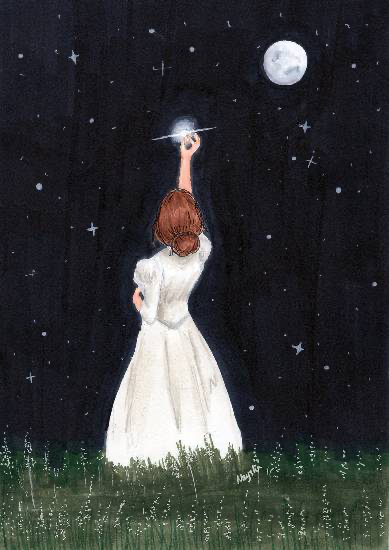
Children with autism are very brave. They get to know this world with their own ways. Sometimes they may look a little clumsy and different, but with the help and support, they will also grow up gradually. It is our acceptance and understanding that will help them to get rid of loneliness.
自闭症的孩子其实是一群非常勇敢的孩子,他们以自己的方式去接触世界,拥抱这个世界。或许有些笨拙,或许显得与众不同,但是在家人和身边关爱他们的人的帮助和支持下,也能够一步一步茁壮的成长。多理解他们一些吧,当我们用力拥抱星空的时候,他们才不会孤独。

References:
American Psychiatric Association. (2013). Diagnostic and statistical manual of mental disorders (5th ed.).
Sun, Xiang, Allison, Carrie, Wei, Liping, Matthews, Fiona E, Auyeung, Bonnie, Wu, Yu Yu, Brayne, Carol. (2019). Autism prevalence in China is comparable to Western prevalence. Molecular Autism, 10(1), 7.
Granpeesheh, Doreen, Dixon, Dennis R, Tarbox, Jonathan, Kaplan, Andrew M, & Wilke, Arthur E. (2009). The effects of age and treatment intensity on behavioral intervention outcomes for children with autism spectrum disorders. Research in Autism Spectrum Disorders, 3(4), 1014-1022.
Javier Virues-Ortega, Víctor Rodríguez, & C.T. Yu. (2013). Prediction of treatment outcomes and longitudinal analysis in children with autism undergoing intensive behavioral intervention. International Journal of Clinical and Health Psychology, 13(2), 91-100.
What is autism?. (2021). Retrieved 1, April 2021, National Health Service UK
Watanabe, T., Rees, G., & Masuda, N. (2019). Atypical intrinsic neural timescale in autism. Elife, 8, e42256.
END
文章推荐
 :
 :hello@crowndream.cn


