


Every Child is Unique丨多维合力,支架儿童个性化发展
作者:冠萃教育
浏览:
发表时间:2020-07-14 17:02:03

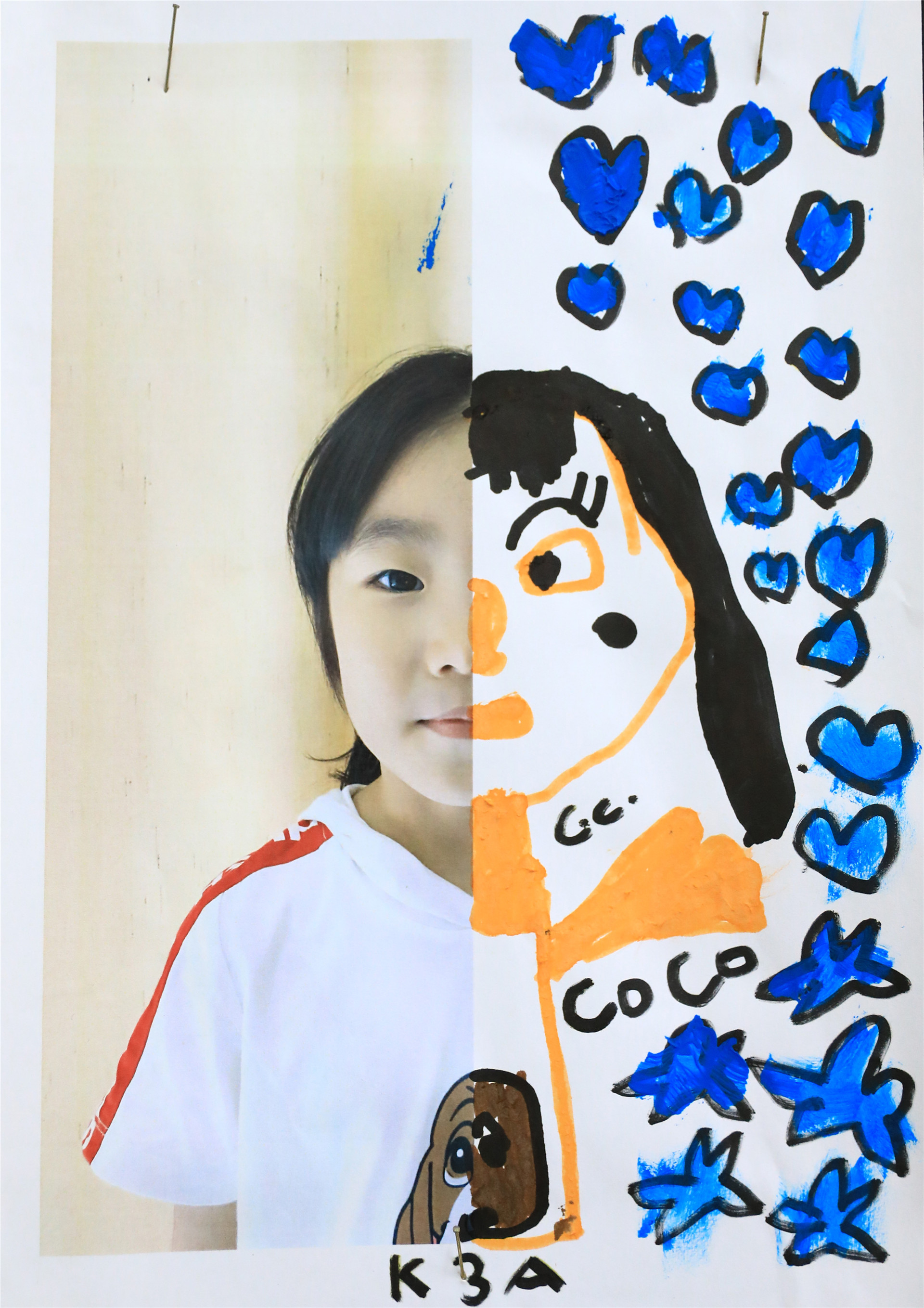
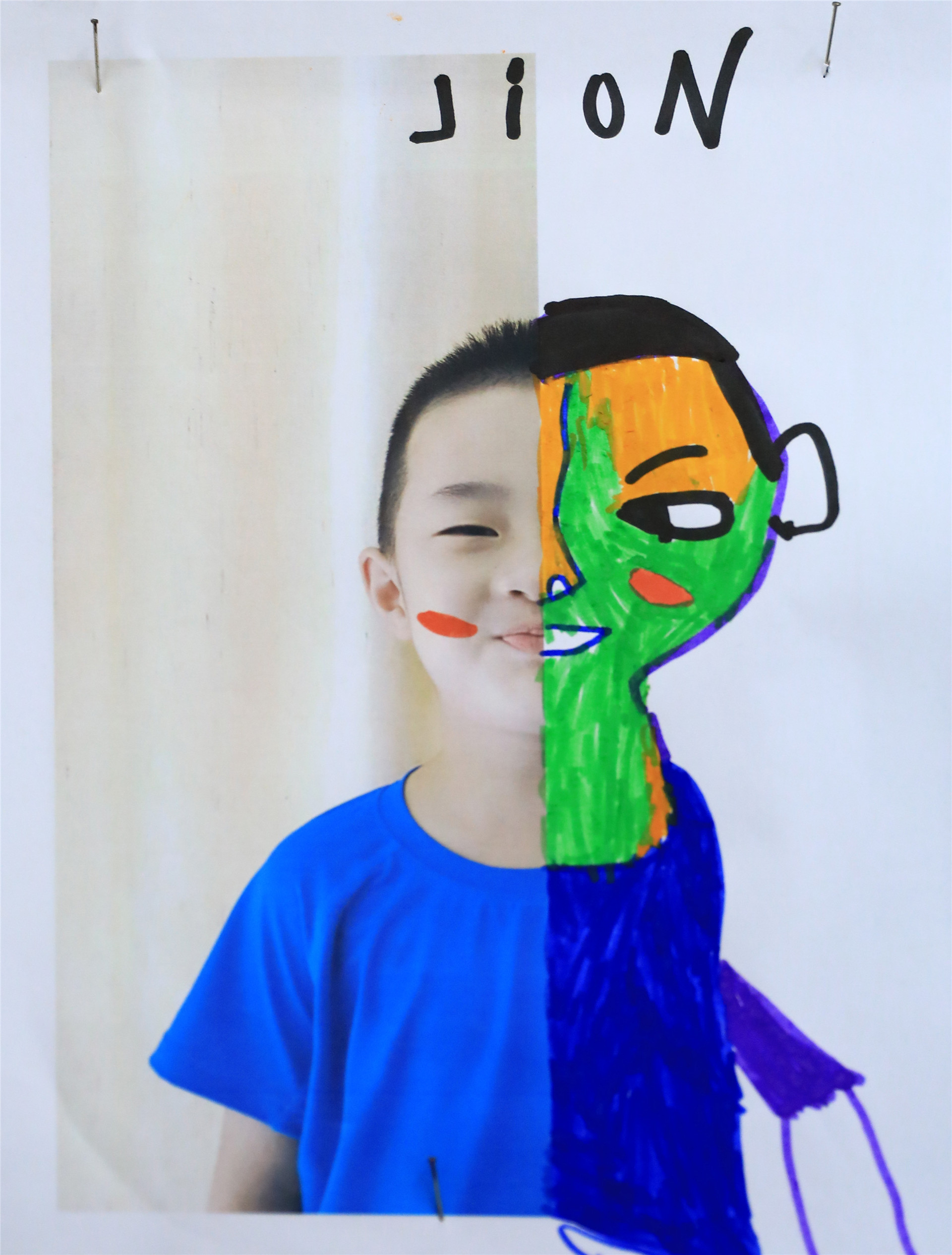
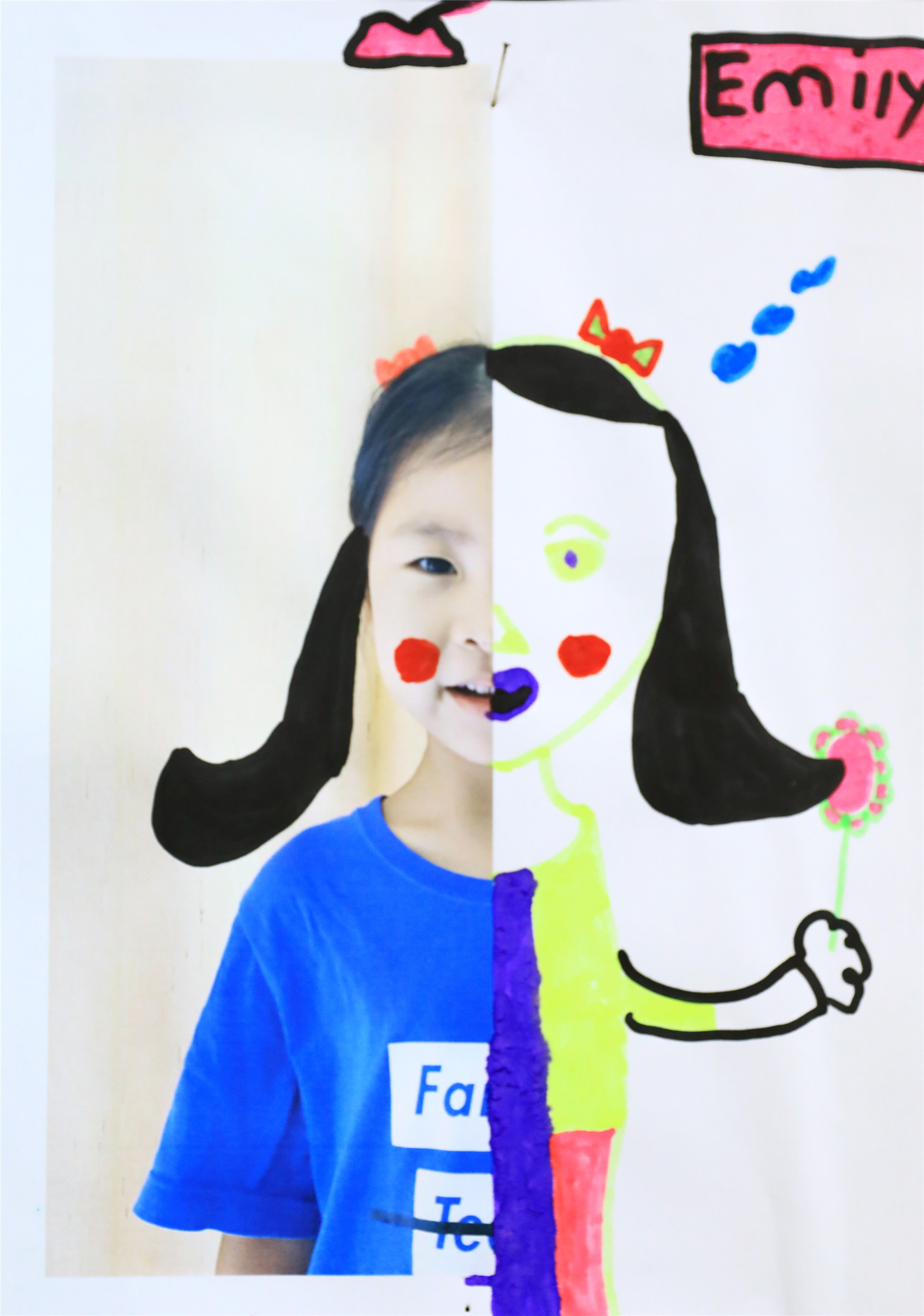
Just like there are no two identical leaves in the world, and there are no two identical children in the world.
就像世界上没有两片一模一样的树叶,世界上也没有两个相同的孩子。
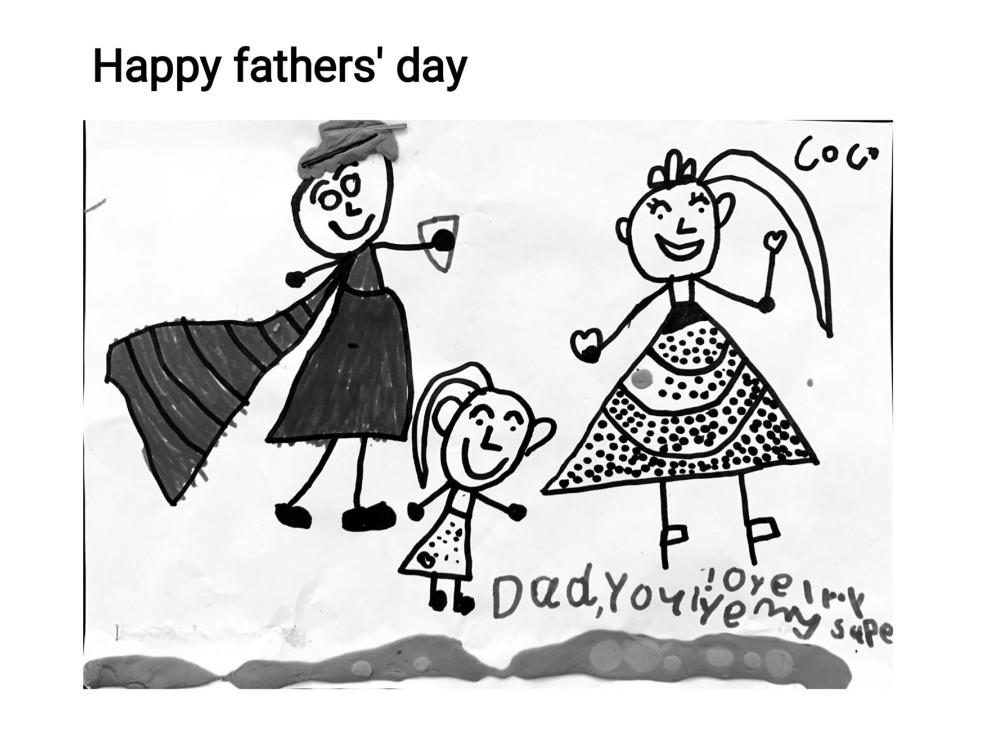
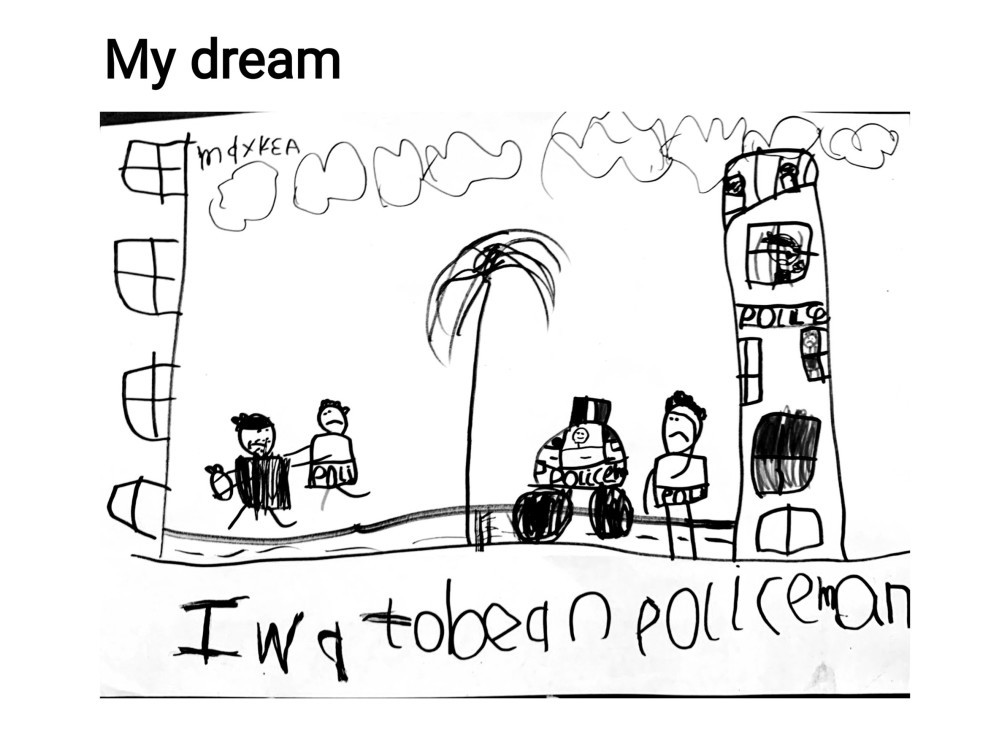
Every child is special and has their way of learning, interest, and pace of development. Based on this, education cannot be mechanically copied and pasted, but children need to teach according to aptitude. The core concept of EYFS is "Every Child is Unique". Whether it is a kindergarten, teacher, or family, it should pay attention to, understand, respect, and support each child's development and needs.
每个孩子都是特别的,都有自己的学习方式、兴趣和发展速度。基于此,教育不能是机械地复制粘贴,而需要因材施教。EYFS的核心理念是“Every Child is Unique“(***的孩子),不管是园所、老师还是家庭,都应该关注、理解、尊重和支架孩子每一步的发展和需要。
So, in the process of promoting the implementation of the EYFS, how does Crown Dream Kindergarten respect the uniqueness of children and teach according to their aptitude?
那么,冠萃在推进EYFS教育体系落地的过程中,是如何做到尊重孩子的独特性,因材施教的呢?
Implement the “Key Person”regulation
实施关键人制度
First of all, we need to know what is the “Key Person” regulation.
首先我们需要知道,什么是关键人制度。
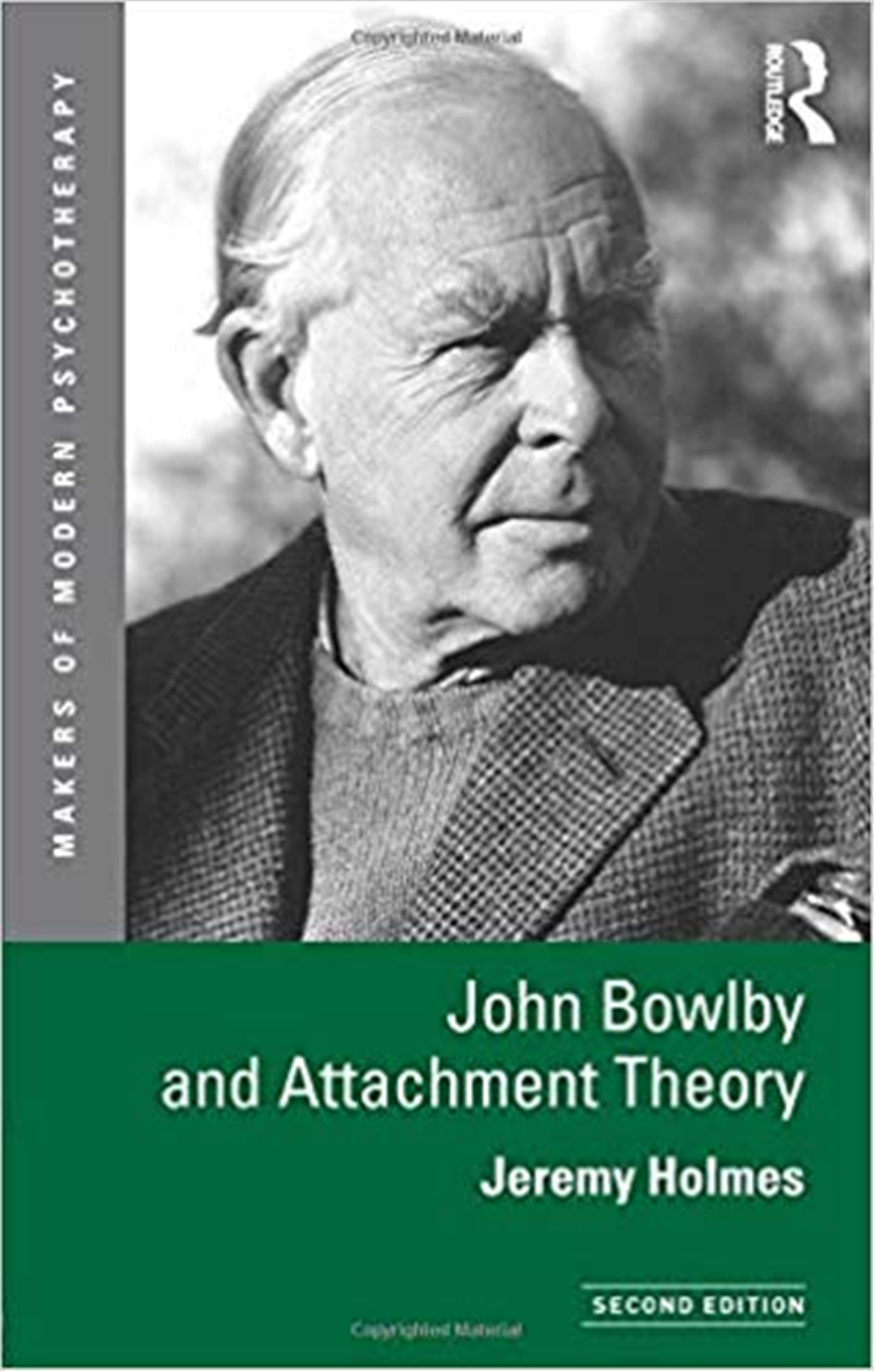
The “Key Person” regulation in EYFS is a method of caring for young children. The British psychoanalyst John Bowlby's "Attachment Theory",which is the theoretical basis for the establishing the “Key Person”.
EYFS中的“关键人物制度”实际上是一种针对年幼的儿童的照顾方法,英国精神分析学家John Bowlby(约翰.鲍比)的“依恋理论”是关键人制度建立的理论基础。
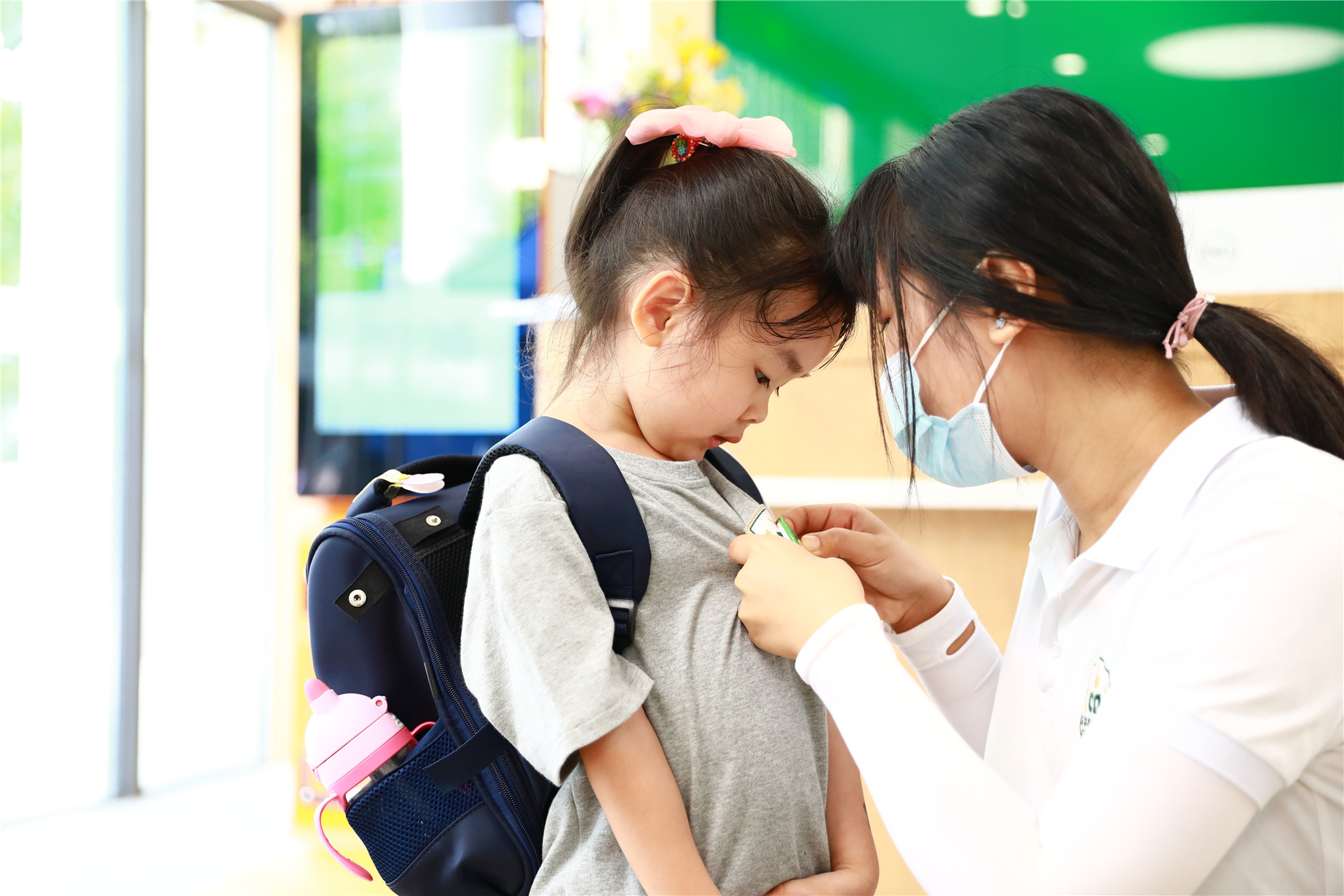
In the “Key Person” regulation, each child who enters the school will assign a specific practitioner. That is, the teacher from the class becomes the child’s key person. The teacher becomes the supporter that the child first meets when leaving the family and integrating into the kindergarten environment. A key person who establishes intimate emotional connections with young children and helps children establish a secure attachment relationship to the new environment.
在关键人制度中,每个入园就读的孩子都会有一位特定的教育者也就是班级中的某一位教师成为他的关键人,他将是幼儿离开家庭***次融入园所环境时的重要支持者、与幼儿建立亲密情感链接、帮助孩子对新环境建立起安全依恋关系的关键人物。
The key person is responsible for completing the written records of key children, such as observation reports, evaluation and summary, etc. At the same time, the key person is also the first person to communicate with parents and feedback on the development of young children. All in all, the key person is the one who knows the children best in kindergarten.
关键人负责完成关键儿童的文字性记录工作,如观察报告、评估总结等,同时,关键人也是与家长沟通、反馈幼儿发展情况的***人。总而言之,关键人是园所里***了解孩子的人。
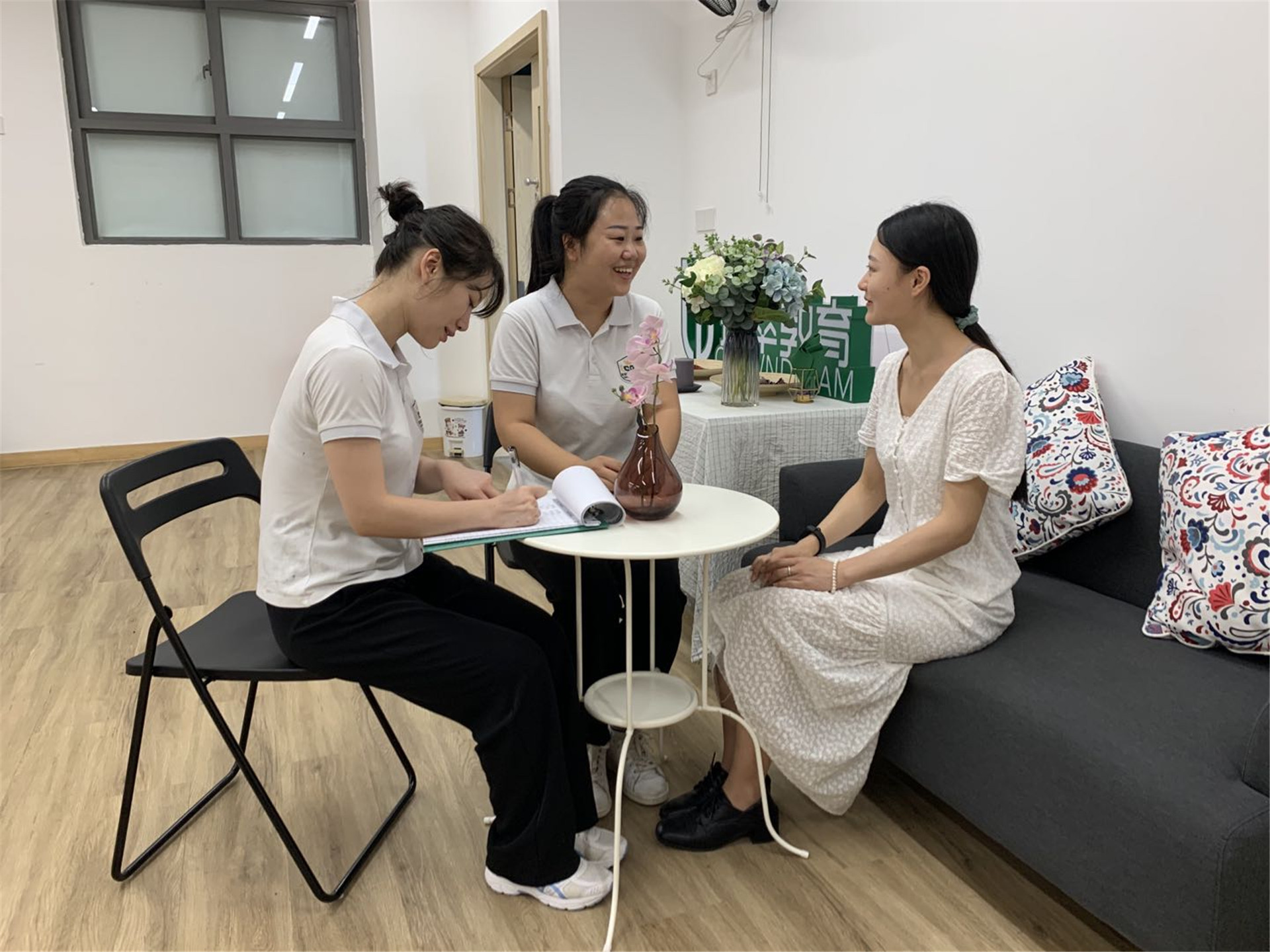
Therefore, the advantages of the “Key Person” regulation are apparent. Key teachers can help young children to build a sense of security and trust faster, so that they can adapt to new environments more quickly, by giving them full attention; understand their physical and mental development and needs; and making more targeted plans to support young children’s learning development, while giving parents the most appropriate feedback and suggestions on time.
因此,关键人制度的优势显而易见。关键教师能让幼儿更快建立安全感和信任感,从而更快地适应新环境,并能给到幼儿充分的关注,更了解幼儿的身心发展情况和需求,更有针对性地制定计划支持幼儿学习发展,同时给到家长反馈和建议都是***及时和***适切的。
Perfect education system
完善的教育体系
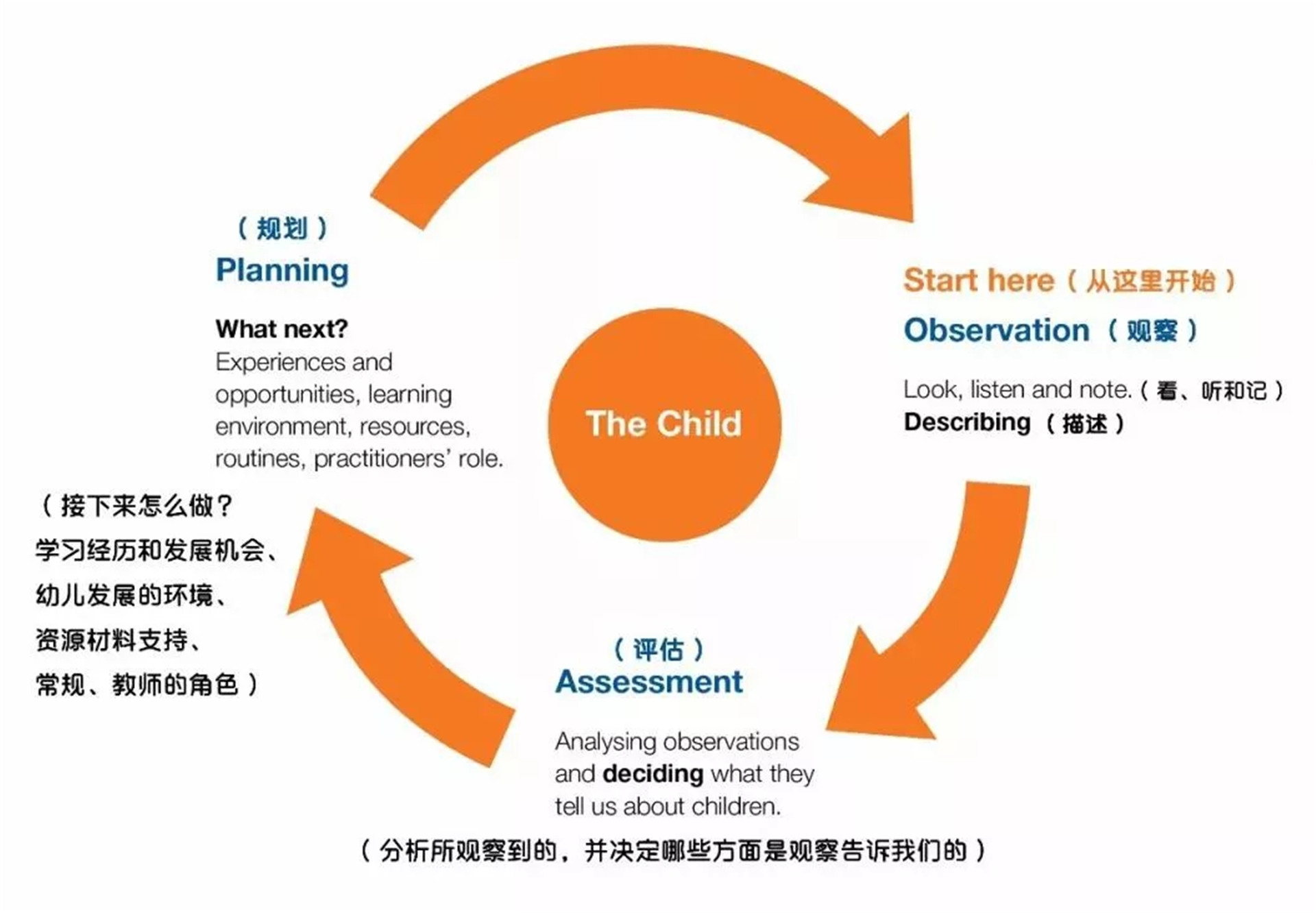
EYFS focuses on the seven areas of learning and development, takes children as the center, and uses "observation, assessment, planning" as the core operating method. Through observational and process evaluation, the EYFS evaluates the child and formulates the next plan.
EYFS围绕七大发展领域,以孩子为中心,以“观察、评估、教学计划”为核心操作方法,通过观察性评价和过程性评价实现对孩子的评估,并制定下一步计划。
Baseline Assessment
(1)基线评估
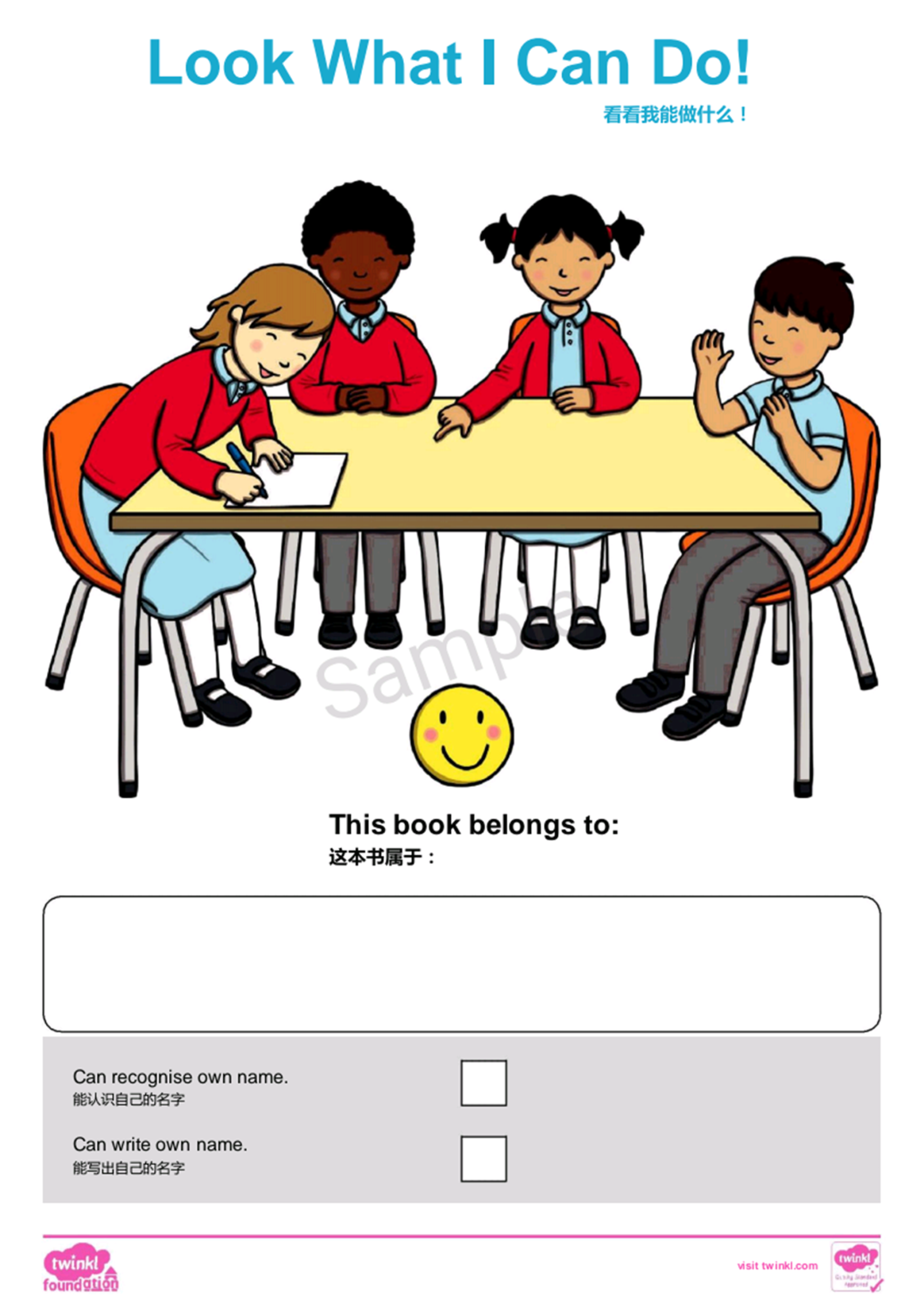
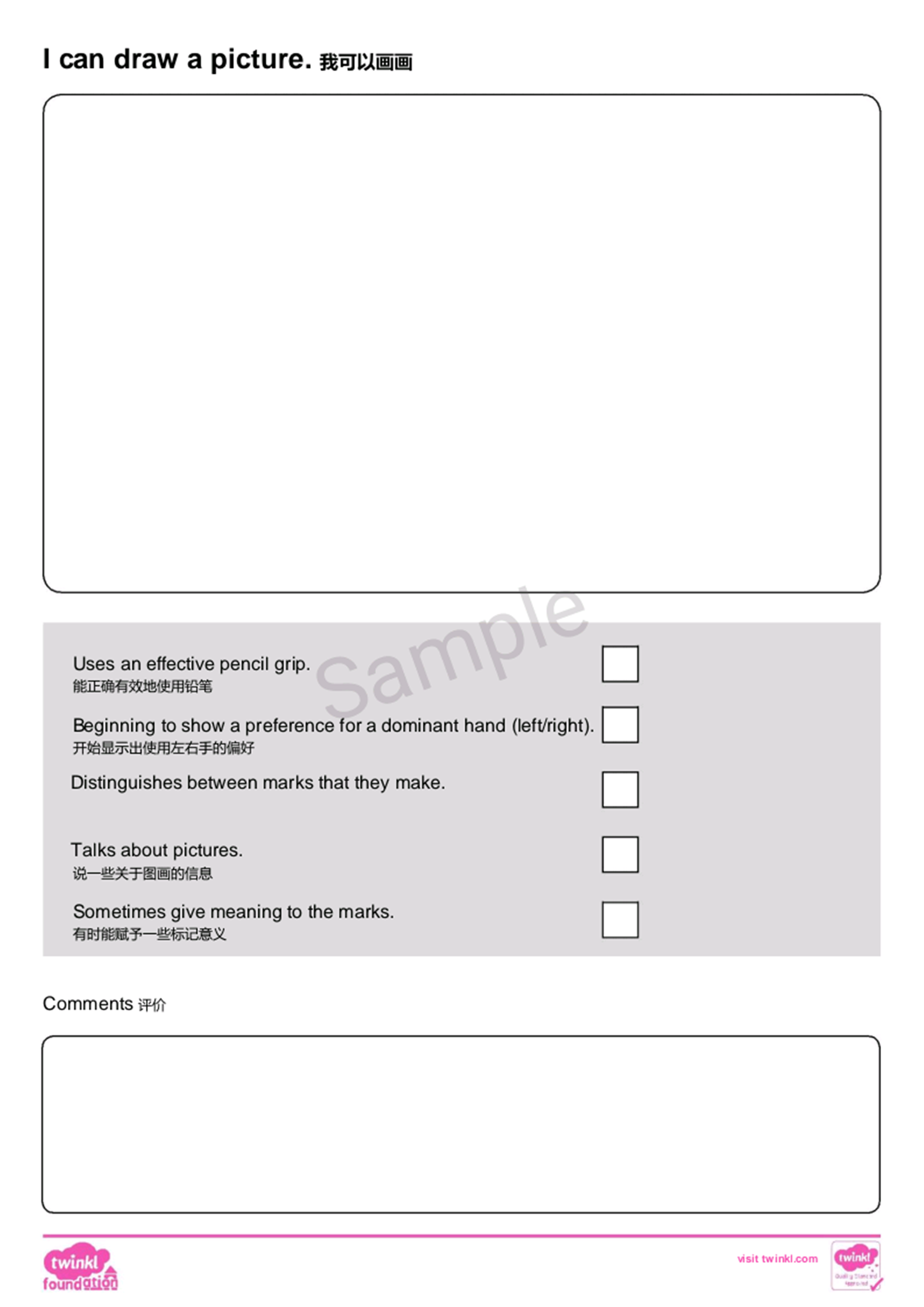
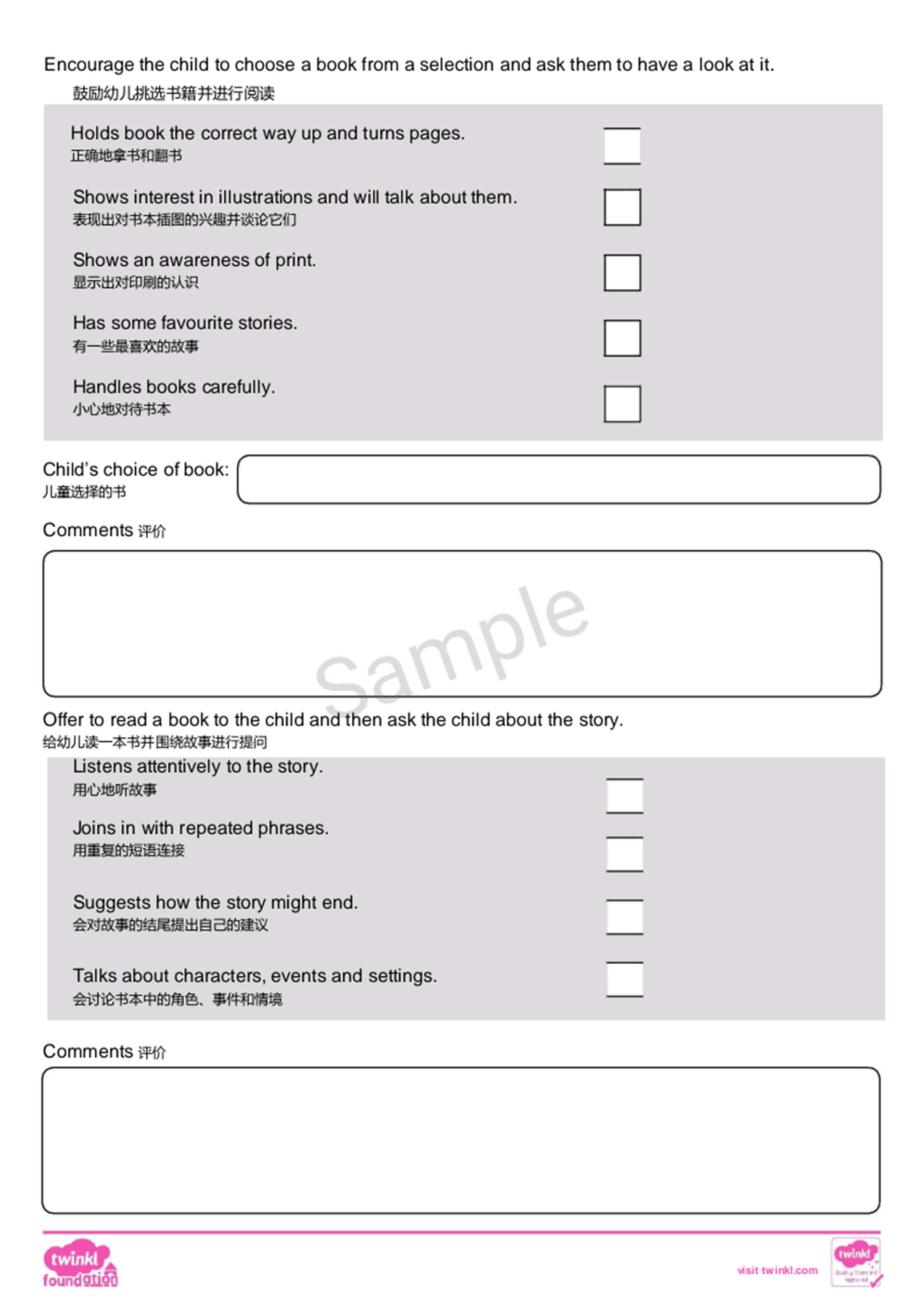
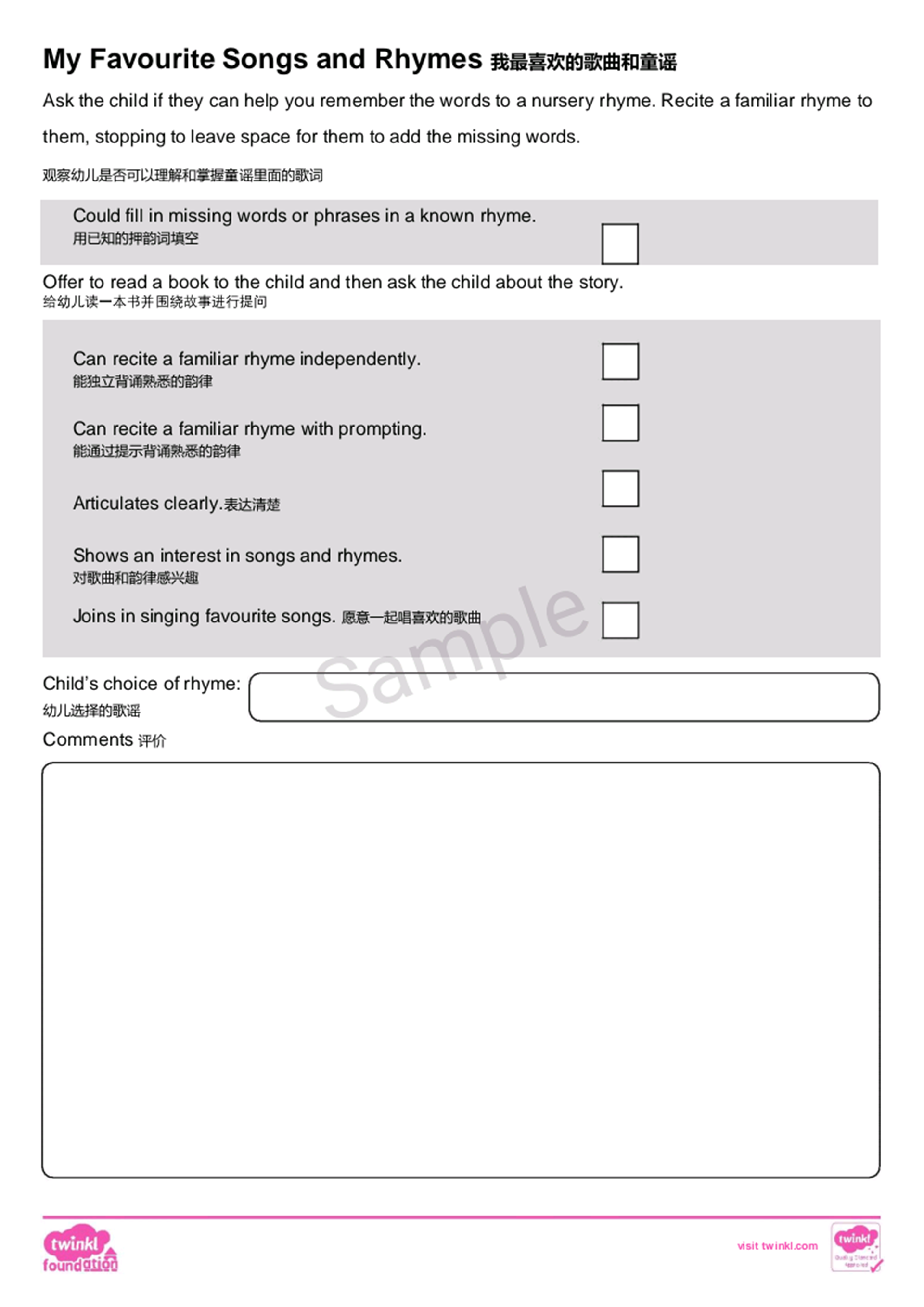
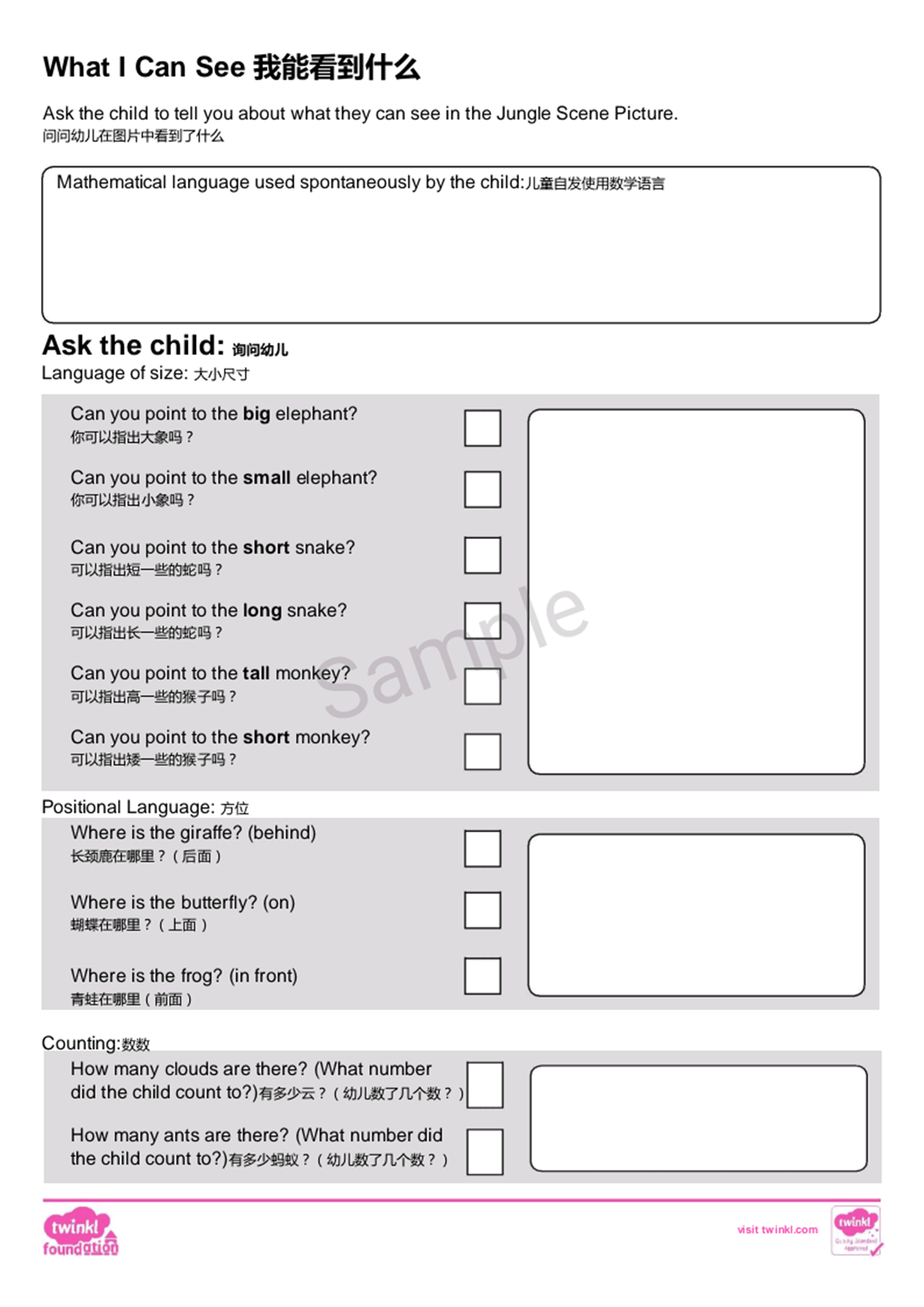
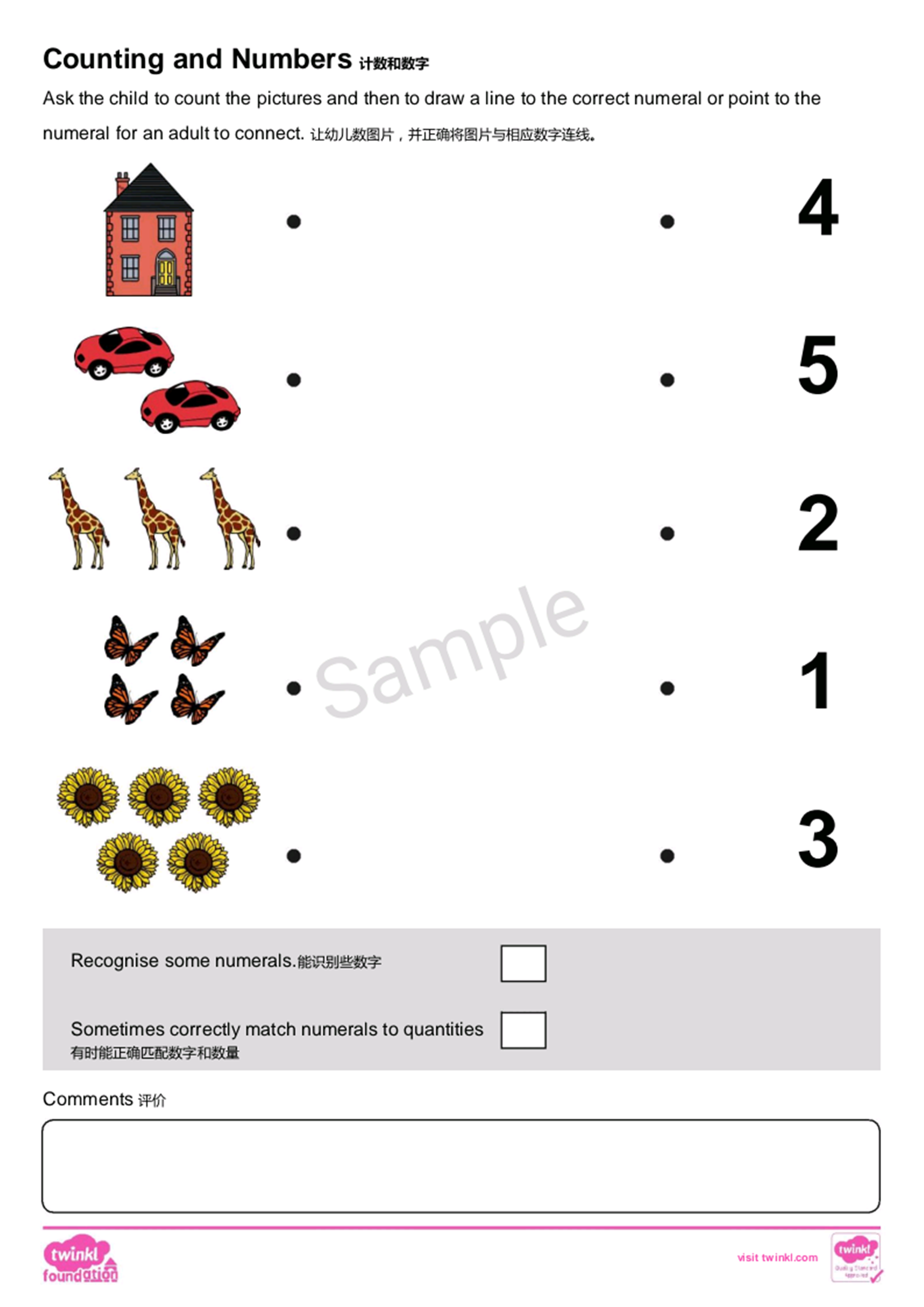
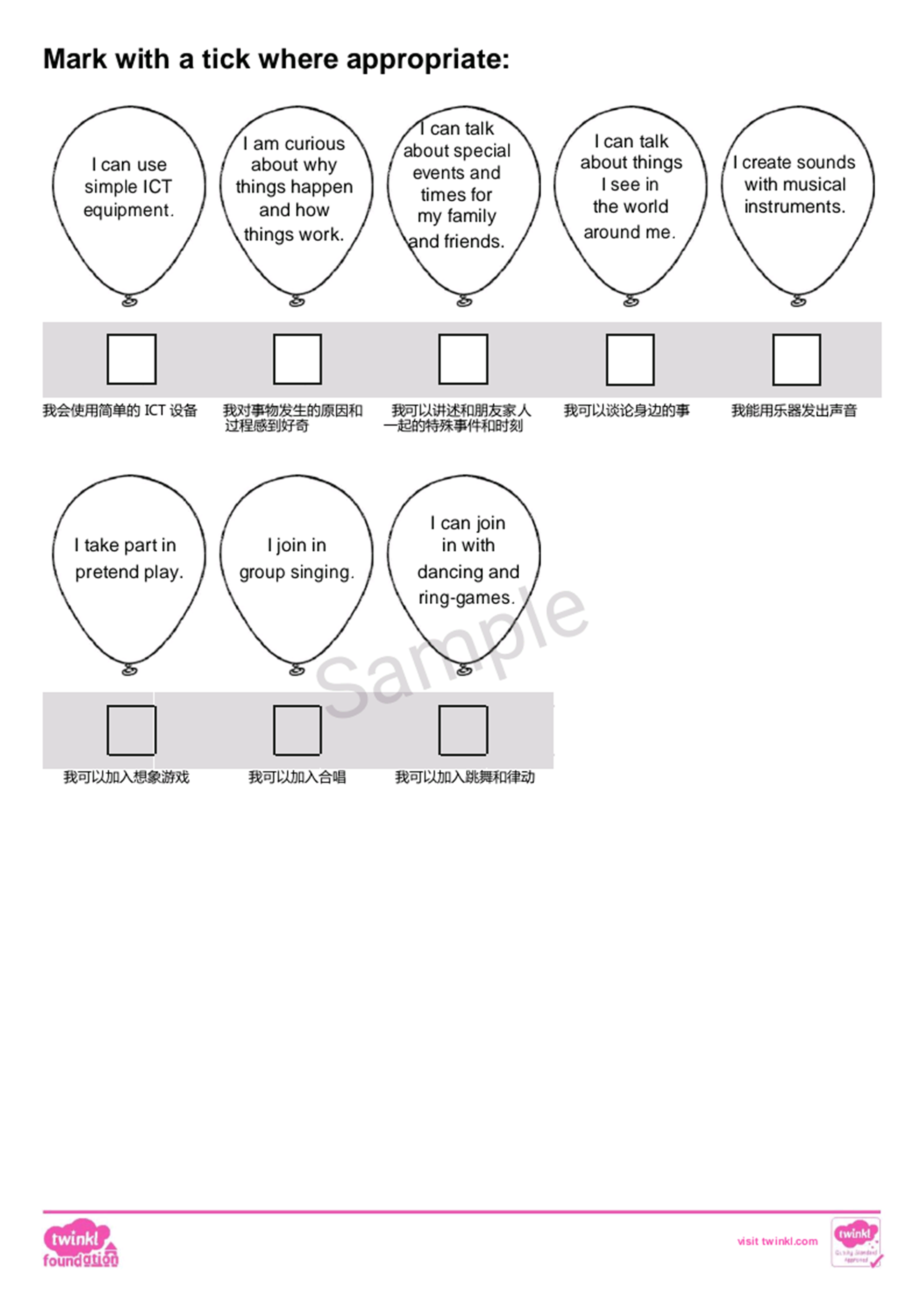
Considering the difference between children's family background, in Crown Dream, we offer parents interview and information collection before entering the school for each new student, which we call it "Beginning to Know Me" to have a better understanding of the children's learning interest, characteristics, and methods. About a month after entering into the kindergarten, when the child gradually adapts to the new environment, the teacher will make a baseline assessment test for the children and make a preliminary understanding of the child's development level in seven areas of learning and English expression ability.
考虑到孩子的入园起点差异,在冠萃,我们会对每位新生做家长面谈和入园前信息收集,我们称之为“Beginning to Know Me”,以此了解孩子入园前的学习兴趣、学习特点和学习方式。入园后一个月左右,当孩子逐步适应了新环境,老师会给孩子们做基线评估,对孩子七大领域的发展水平及英语表达能力进行初步摸底。
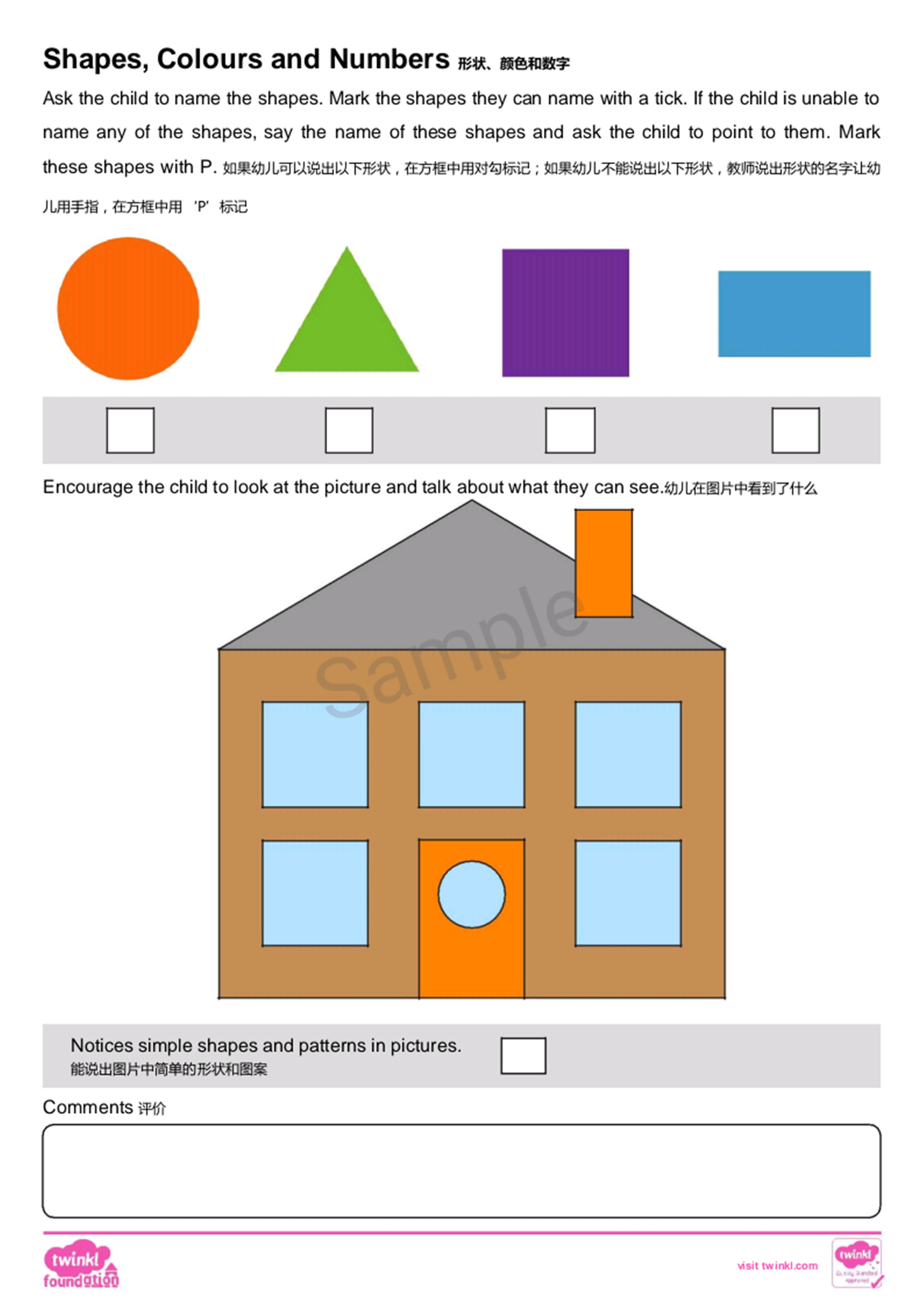
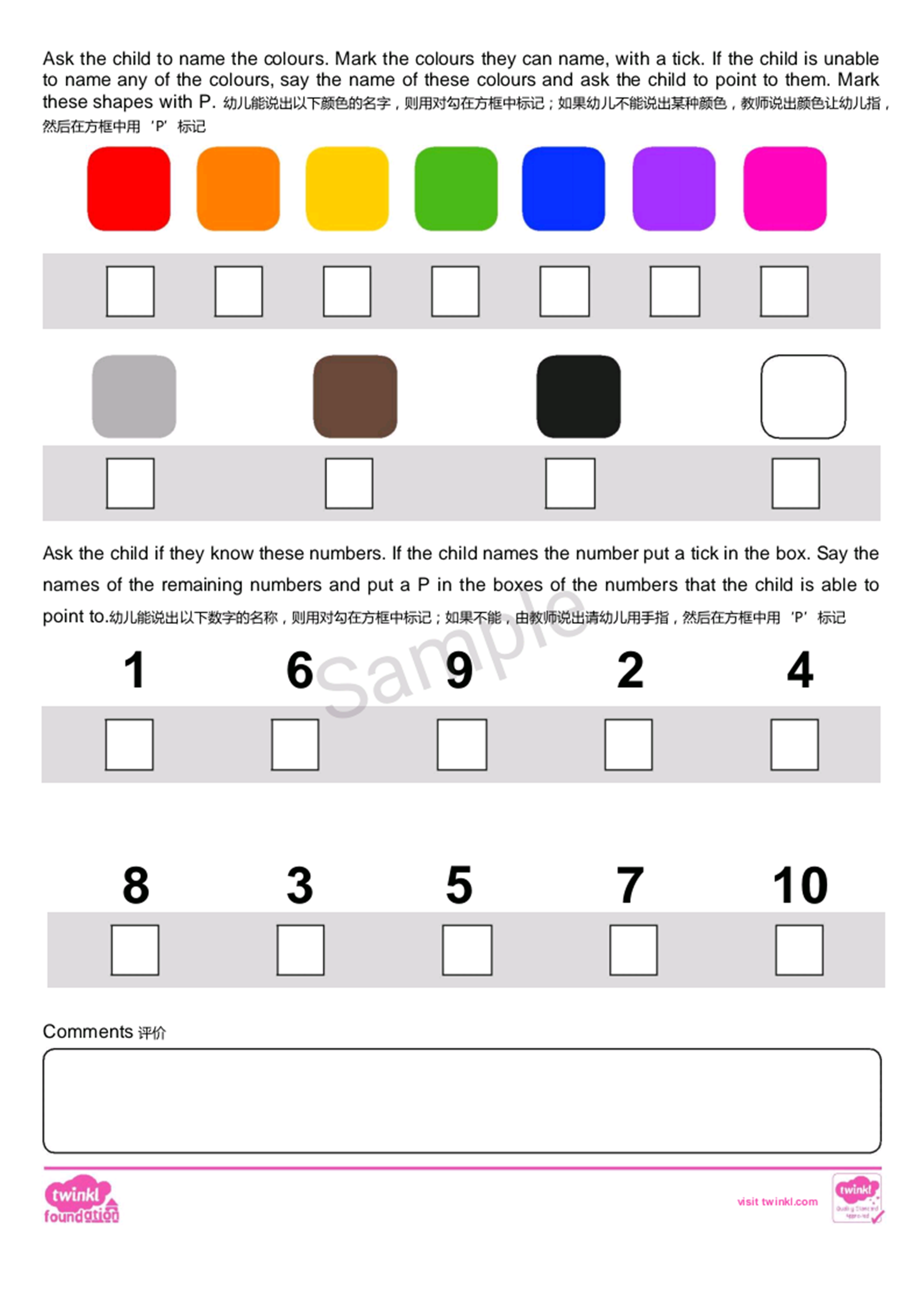
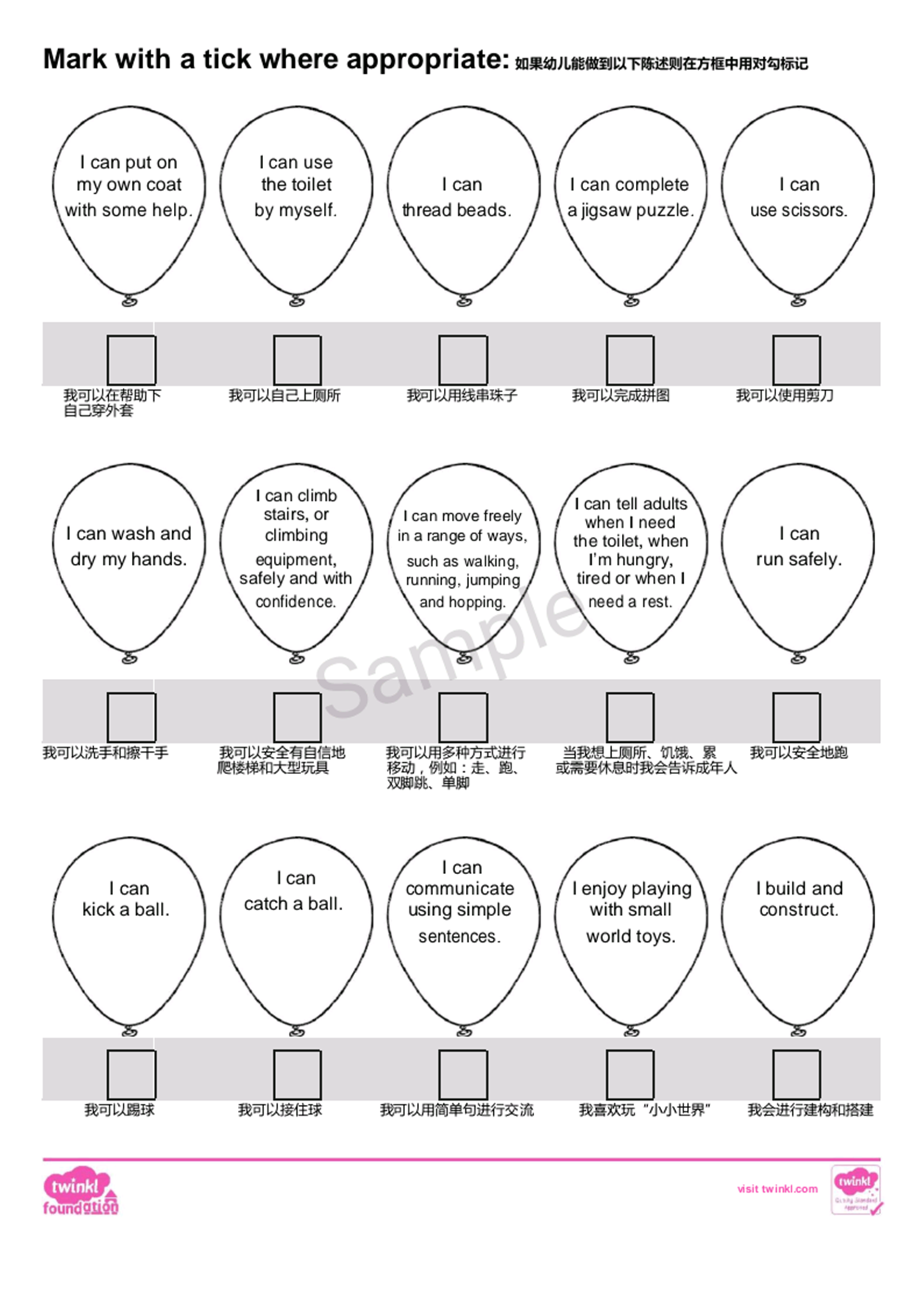
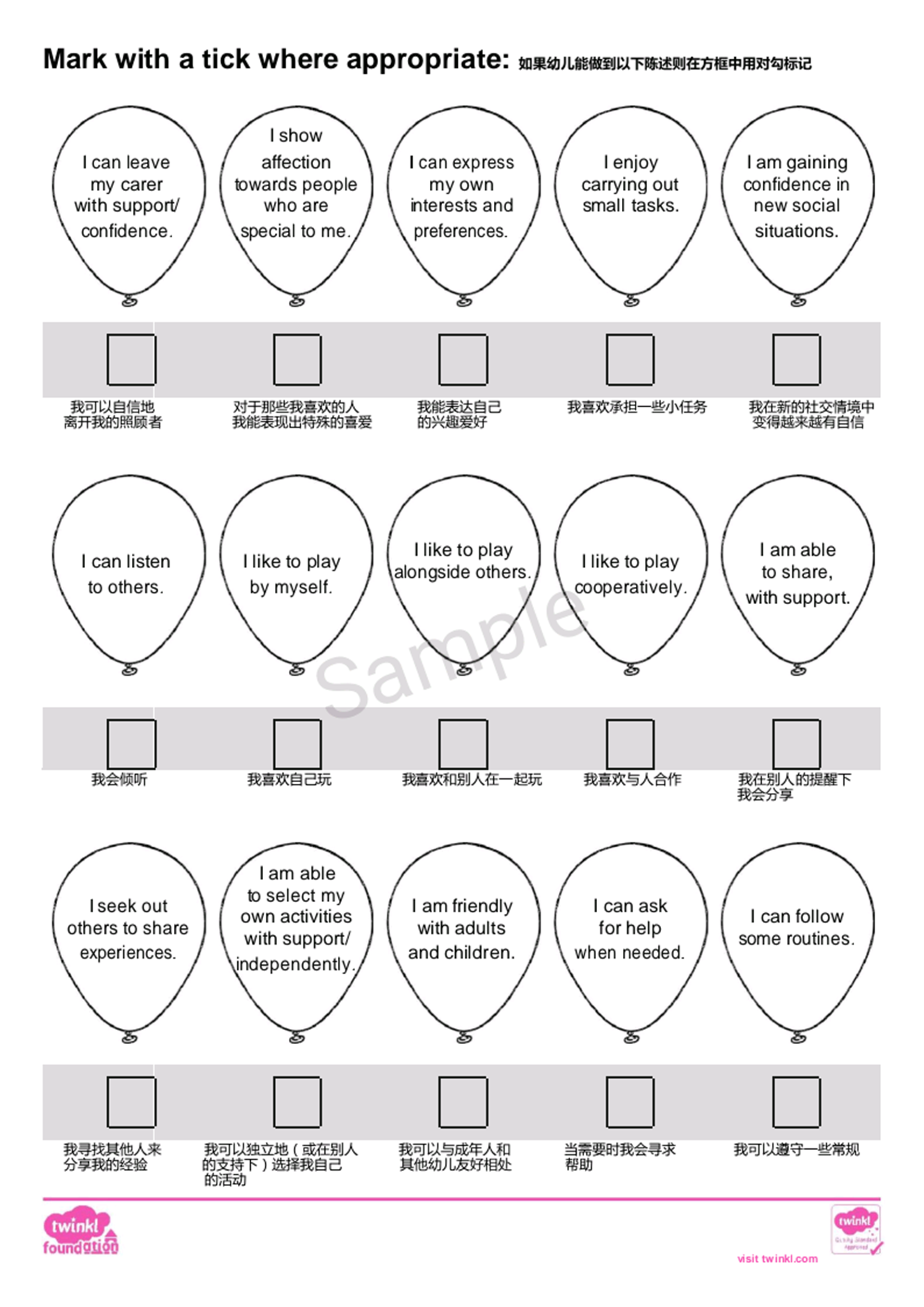
▲向左滑动查看更多
“Observation - Assessment - Planning”- OAP Circle
(2)”观察—评估—教学计划”- OAP 循环圈
Observation record
1.观察记录
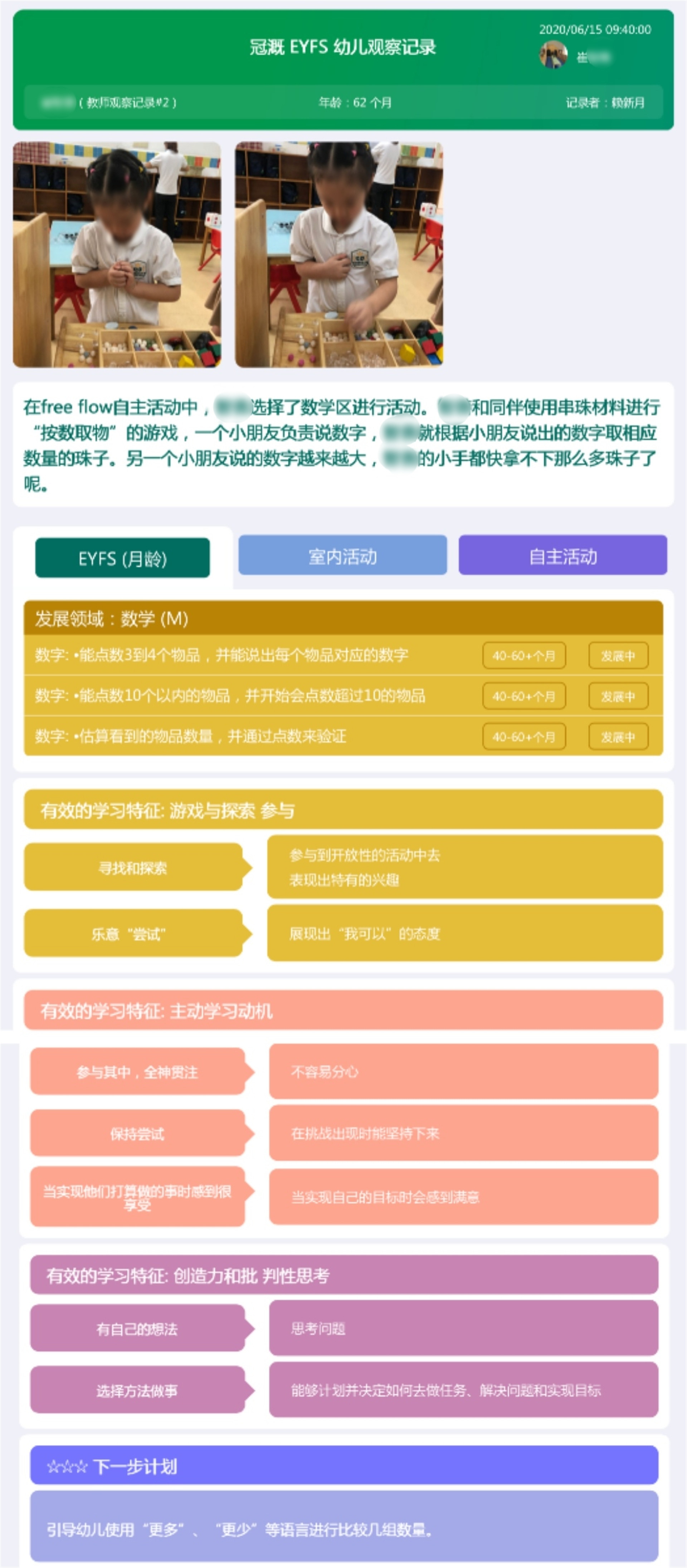
EYFS' teaching circle begins with observation records. Teachers create a diverse, rich, and enabling environment for children sufficient full time and space to explore. Teachers, as supporters, participants, and observers of children's learning, record children's learning performance at each stage. To understand children's learning interests and development performances in various fields, this is also one of the most important tasks for teachers in an EYFS kindergarten.
EYFS的教学循环圈始于观察记录。教师为幼儿创设多元、丰富、有准备的学习环境(Enabling Environment),给幼儿充分的探索时间和空间,教师作为幼儿学习的支持者、参与者和观察者,及时记录幼儿每一个阶段的学习表现,了解幼儿的学习兴趣及各领域发展动态,这也是是EYFS园所教师***重要的工作之一。
▲向左滑动查看更多
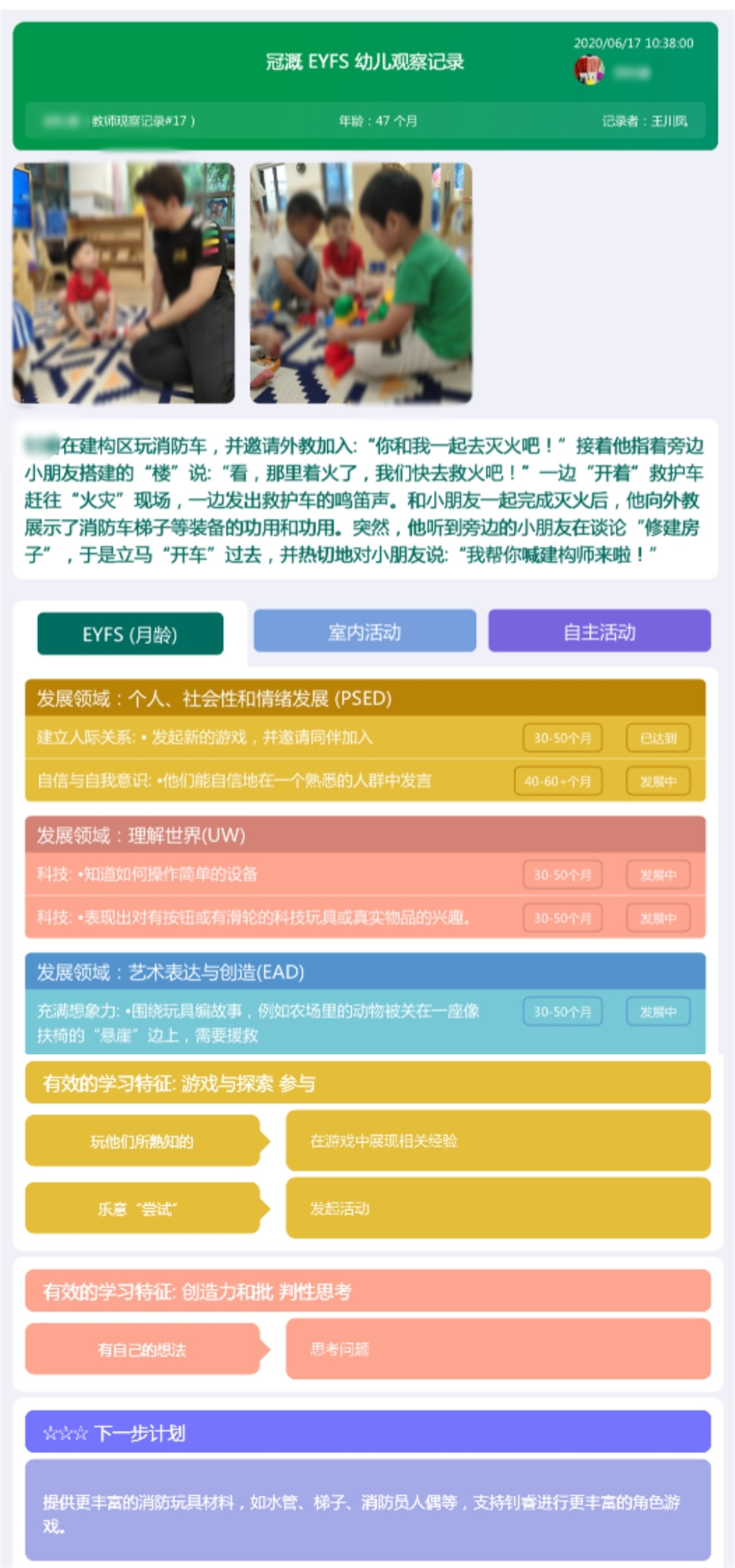
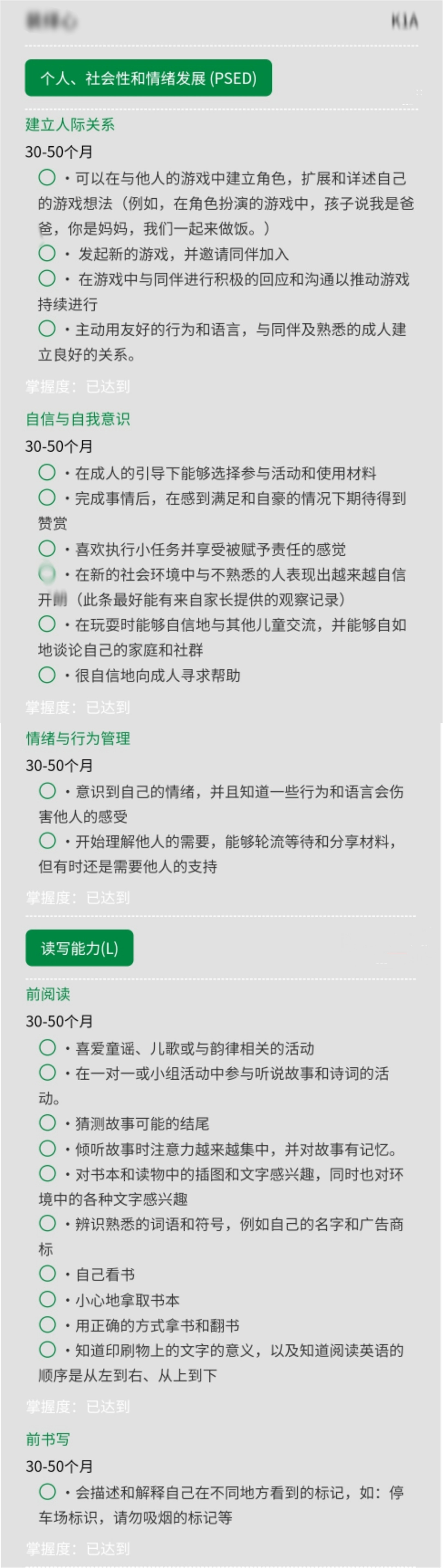
In Crown Dream, the teacher objectively observes and records the daily activities of children through the "Crown Goal E-Platform", describes the language, behavior, and emotional performance of children, and professionally analyzes children’s development level and demands so that we could provide the evidence for the next planning.
在冠萃,老师通过“冠溉EYFS电子评估程序“对幼儿日常活动状态进行客观地观察和记录,真实地展示幼儿的语言、行为和情绪表现等,用专业把握和分析幼儿的发展水平和发展需求,为下一步计划的制定提供依据。
Teaching Evaluation
2.教学评价
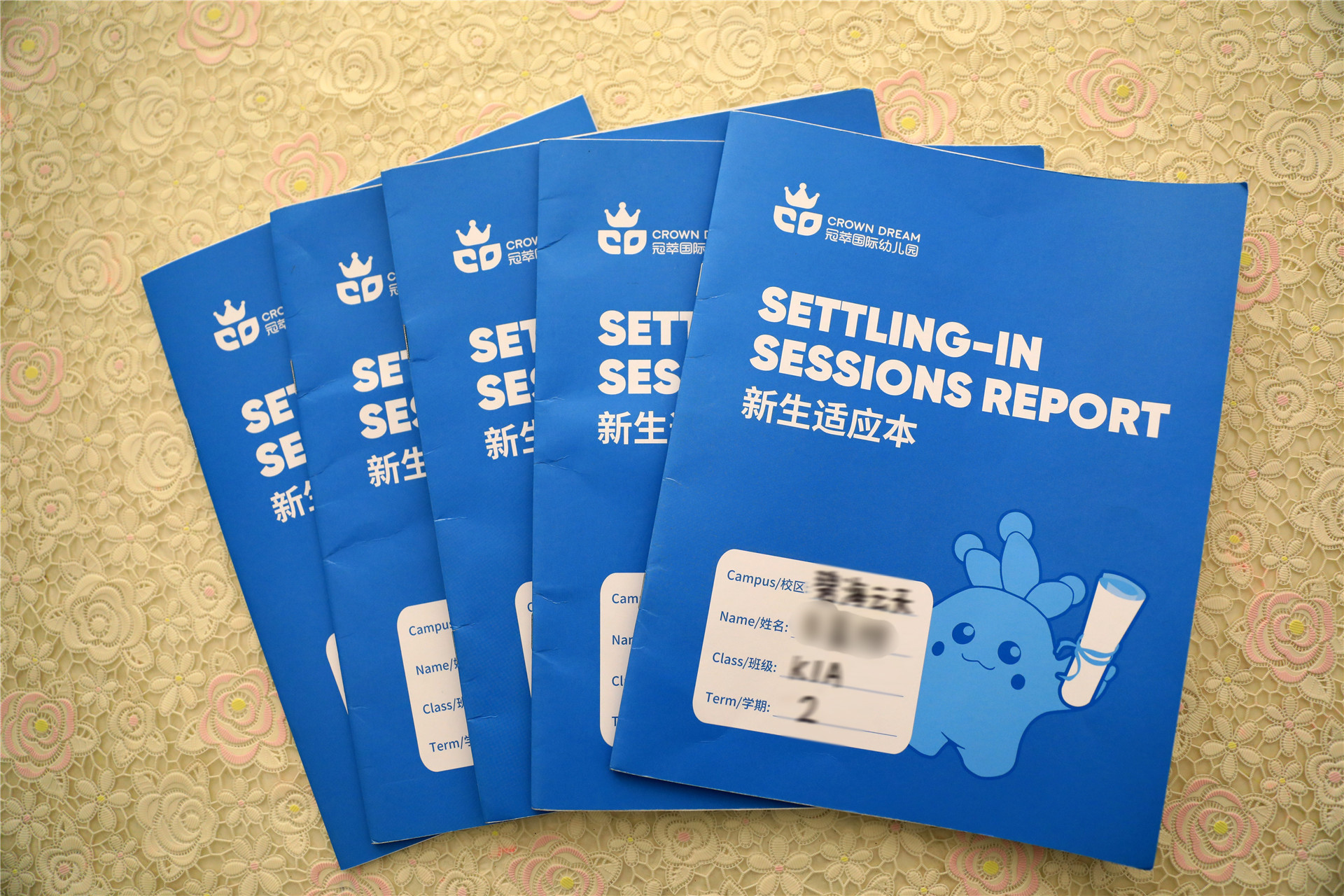
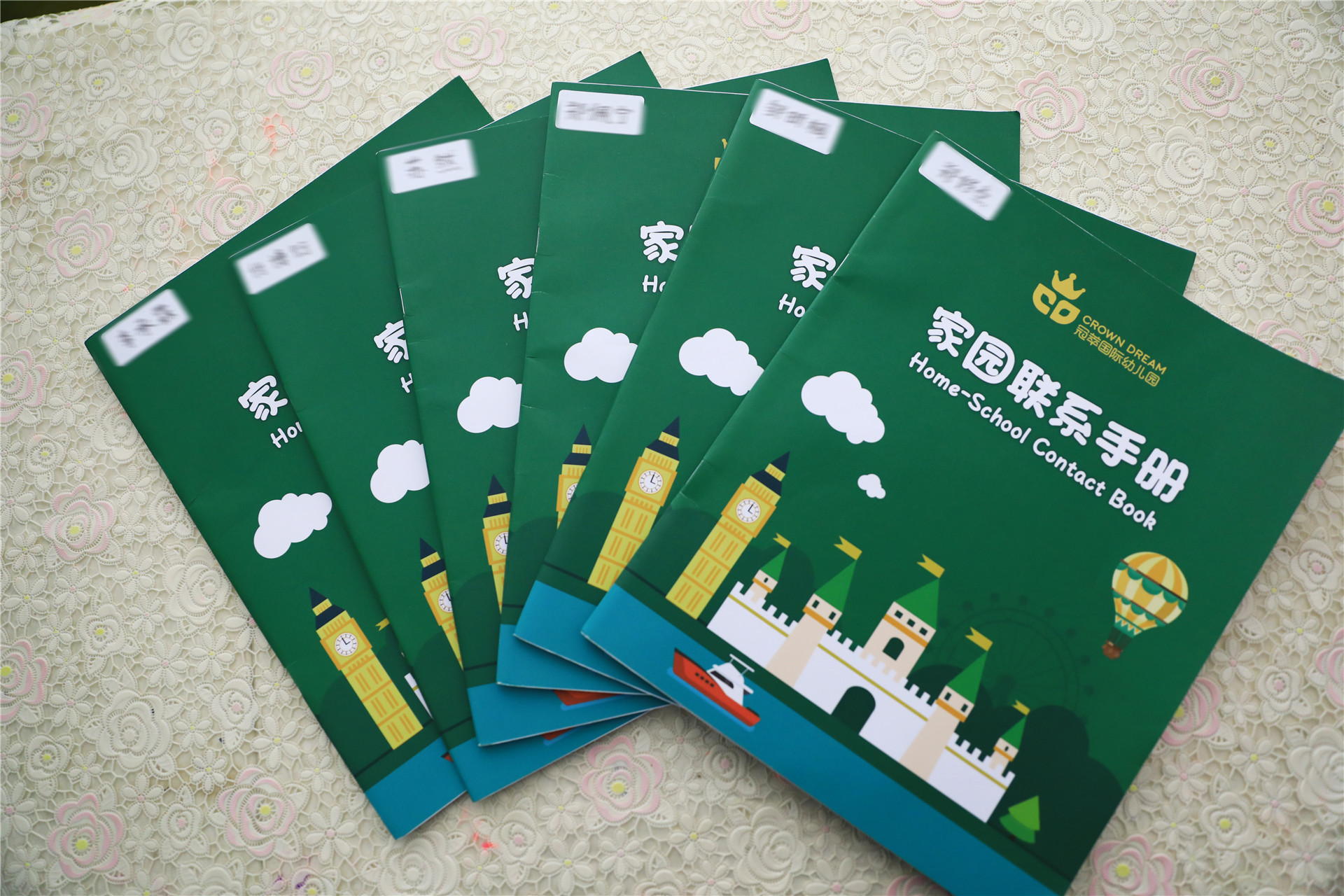
It is well known that teaching evaluation divided into the formative evaluation and conclusive evaluation. In Crown Dream, ‘Daily Observation Records of Children’, ‘Wow Moment’, ‘Daily Log’, evaluation of children’s works, self-evaluation and mutual evaluation of children, weekly evaluation (‘Home Contact Handbook’), monthly evaluation (‘News Letter’), Learning Journey, etc., constitute our formative multiple evaluation methods.
众所周知,教学评价分为形成性评价和总结性评价两种。在冠萃,幼儿日常观察记录、哇哦时刻(Wow moment)、(新生适应日记)Daily Log、幼儿作品评价、幼儿自评与互评、周评价(家园联系手册)、月评价(News Letter)、学习之旅(Learning Journey)等等,构成了我们多元的形成性评价的方式。
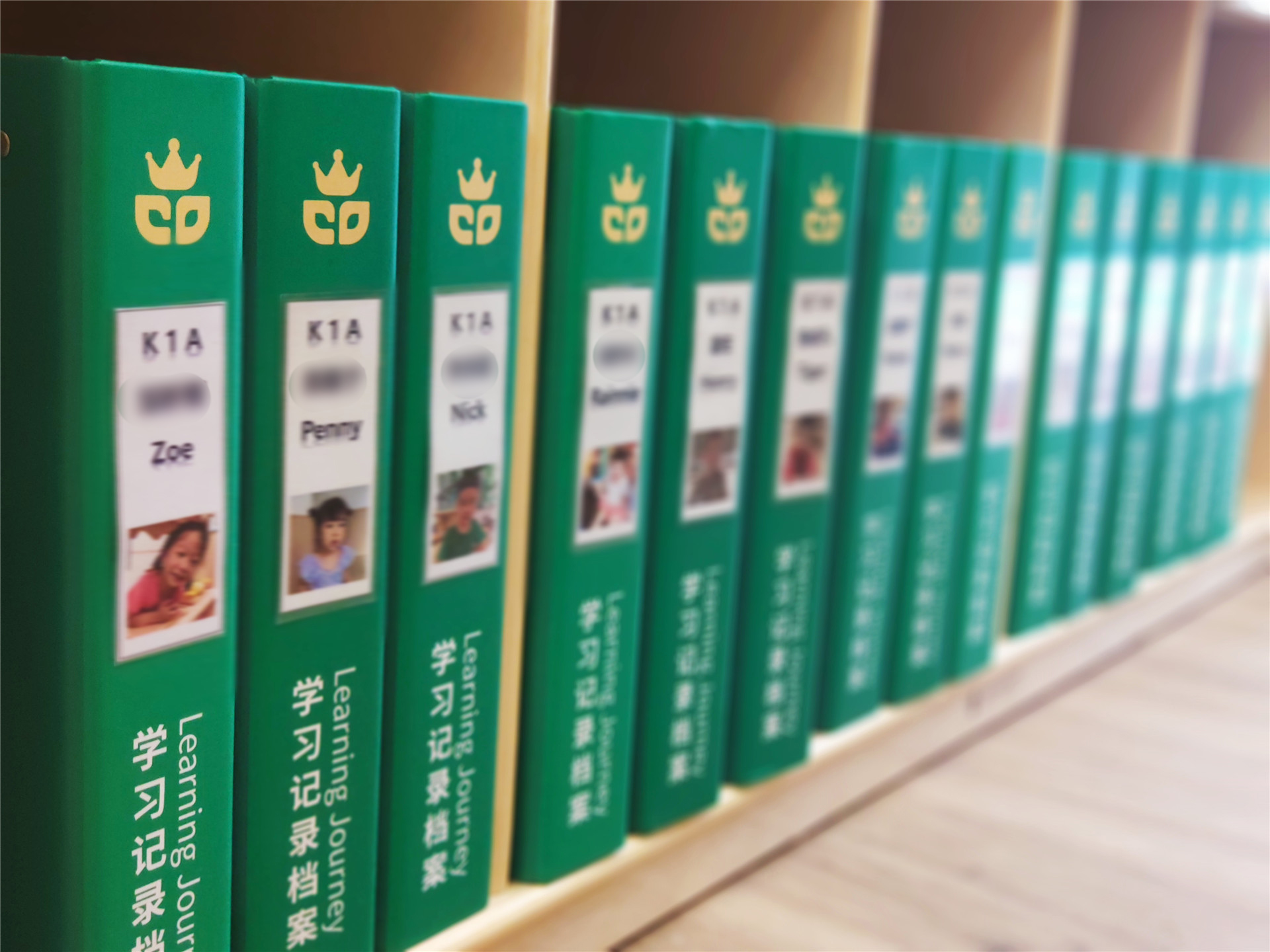
The conclusive evaluation is a comprehensive evaluation of the children's development in seven areas of learning based on the children's daily observation records and performance, and the EYFS learning development goals as the theoretical guidance for each semester, school year, and before graduation.
总结性评价,则是每学期、每学年和毕业时,教师以幼儿日常观察记录和表现为实际依据,以EYFS学习发展目标为理论指导,对孩子7大领域的发展进行的综合性评价。
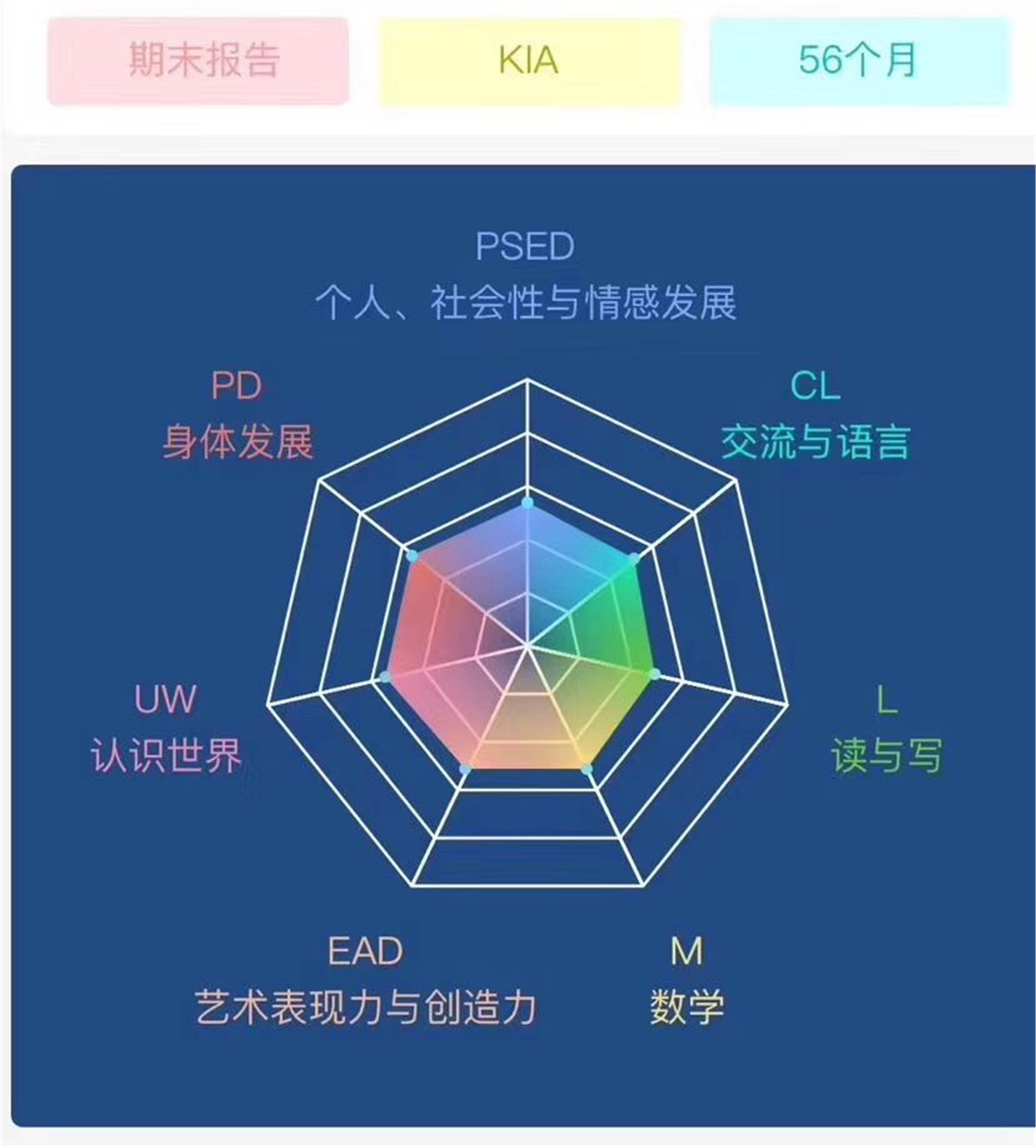
At Crown Dream, we use the "Crown Goal E-Platform" to conduct our conclusive evaluation, which generates accurate data analysis, using radar charts as the form of expression and helps teachers and parents intuitively understand the children's seven areas of learning. This is where we see the child whether the development of the area is balanced; whether the child has reached the appropriate level to the corresponding age group; whether there is an area that is ahead or left behind of the development goal, and use this as the evidence to the new plan for next term.
在冠萃,我们的总结性评价,同样是通过“冠溉EYFS电子评估程序“平台,生成精准的大数据分析,以雷达图为表现形式,图文并茂地帮助老师和家长直观地了解孩子的七大领域的发展是否均衡、是否达到相应年龄段的应有水平、是否有发展超前或发展滞后的领域,并以此作为依据,制定下一学期的发展计划。
Teaching plan & next plan
3.教学计划&下一步计划
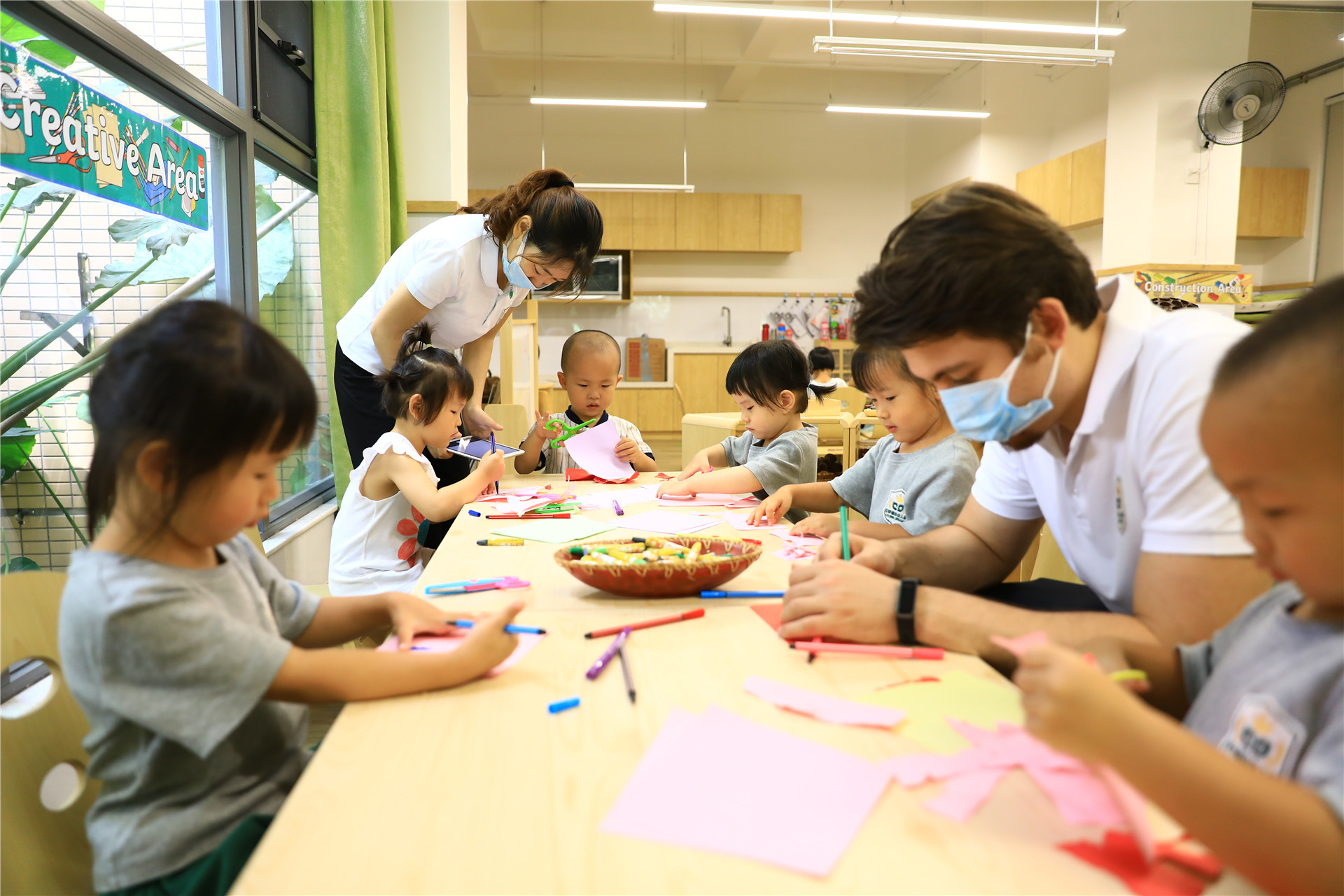
In Crown Dream, according to the uniqueness and current level of development of each child, the teacher formulates a personalized teaching plan, adopts a personalized teaching method, teaches children in small groups, designs focus activities, targets children, and scaffolding the growth of young children with goals.
在冠萃,针对每个孩子发展的独特性和现有水平,老师会制定个性化的教学计划,采取个性化的教学方式,对幼儿进行小组教学,设计聚焦活动,锁定目标儿童,有目标、有计划地支架幼儿的成长。
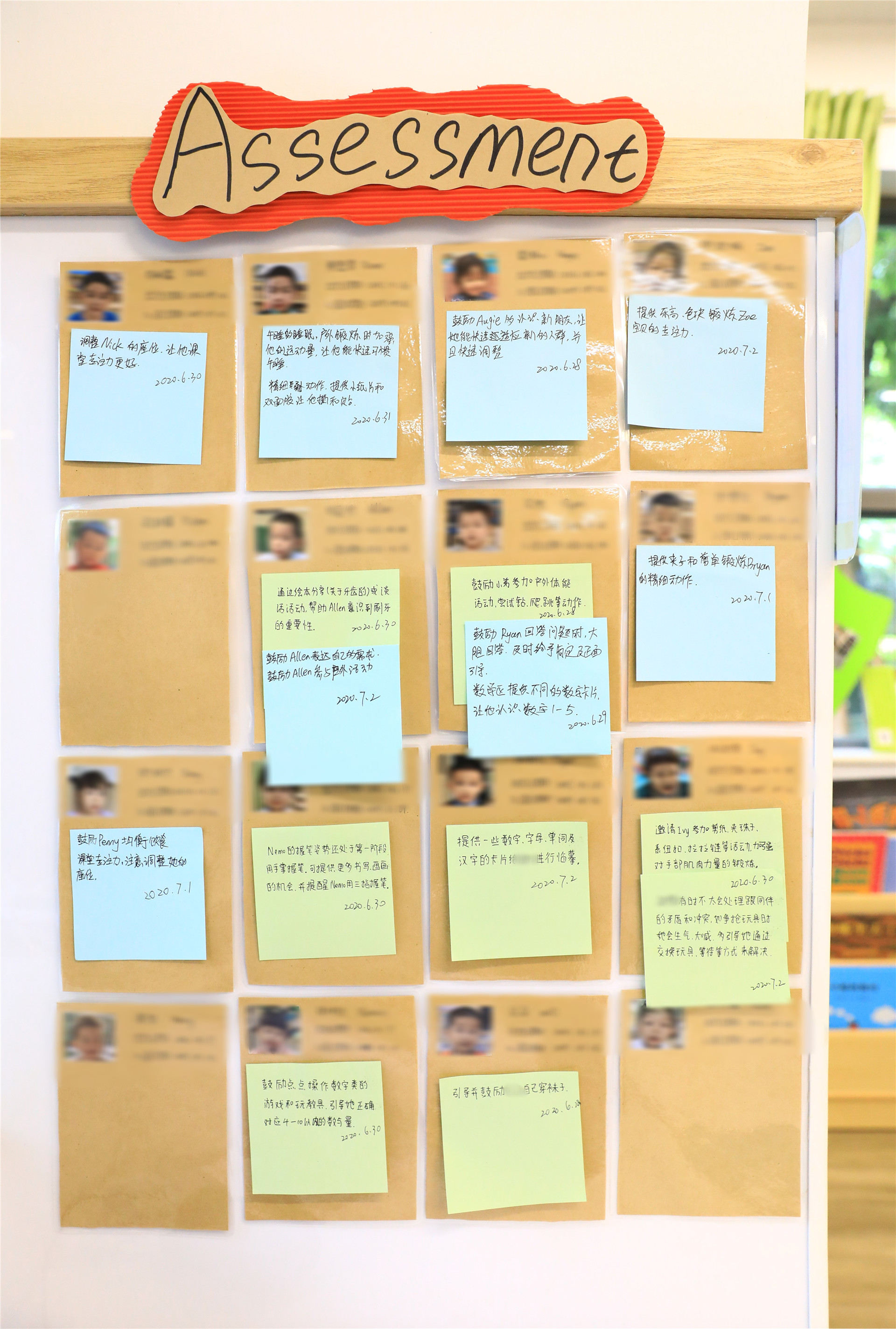
The next step of formulating and implementing the plan is a process of continuous "checking and filling vacancies", and a work that assesses teacher’s basic skills. Teachers should choose the most important and urgent goals from the many areas that children need to improve, develop, and provide continuous and focused guidance.
下一步计划的制定和实施,更是一个不断“查漏补缺”的过程,也是一个很考核教师基本功的工作。老师要从幼儿众多需要提升、可以发展的领域中,选出***重要、***紧急的一项,进行持续、重点地引导。
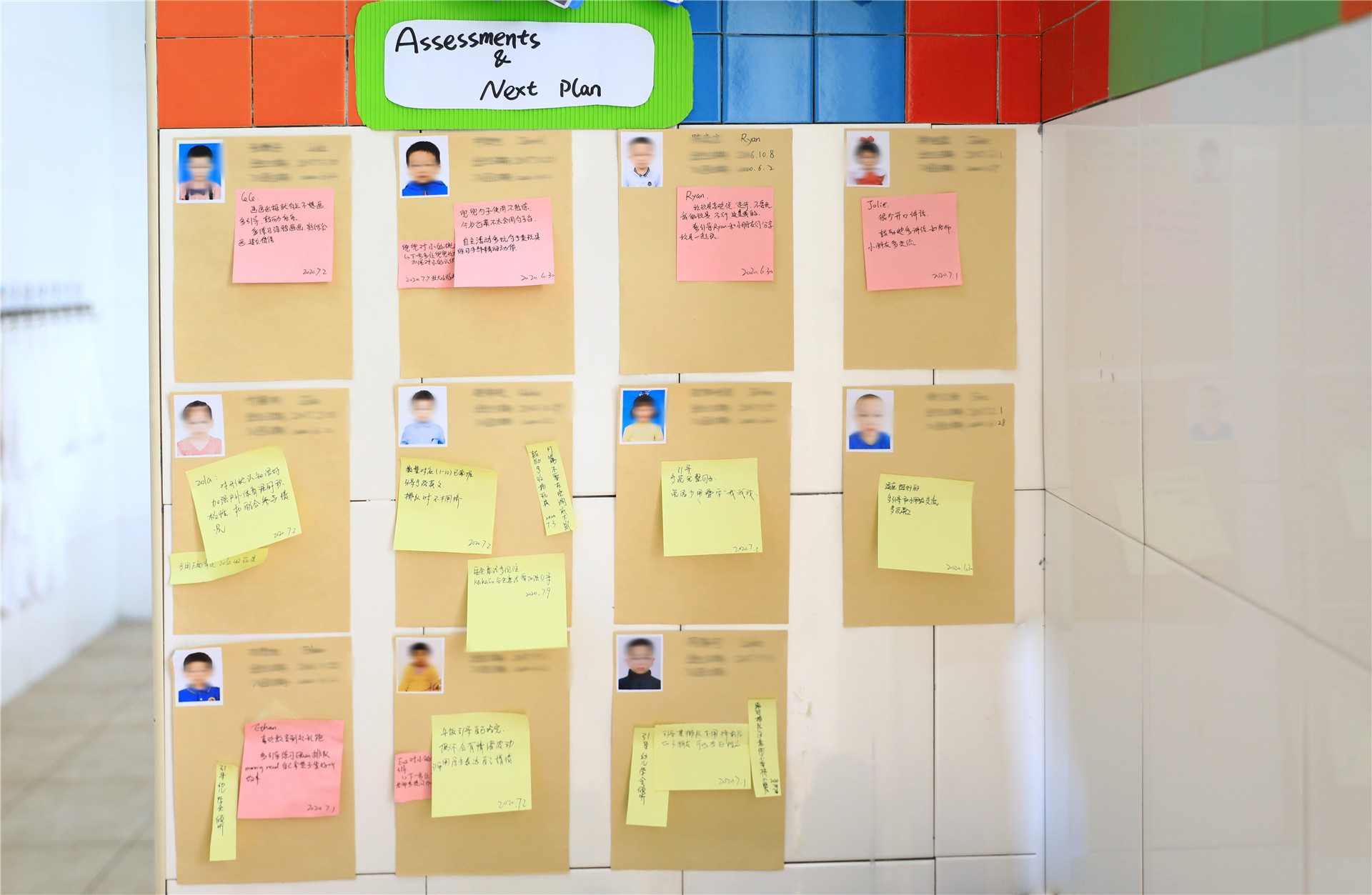
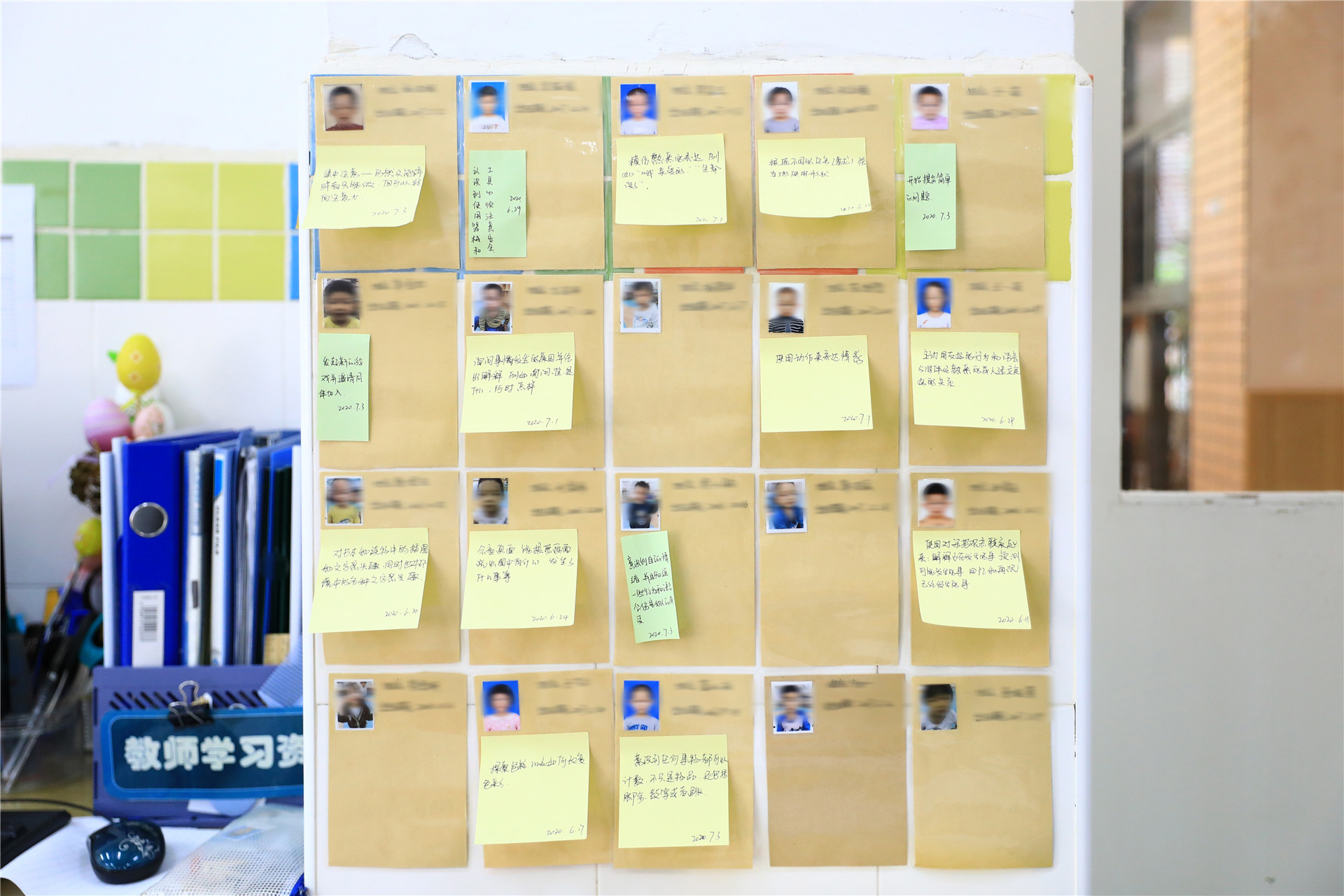
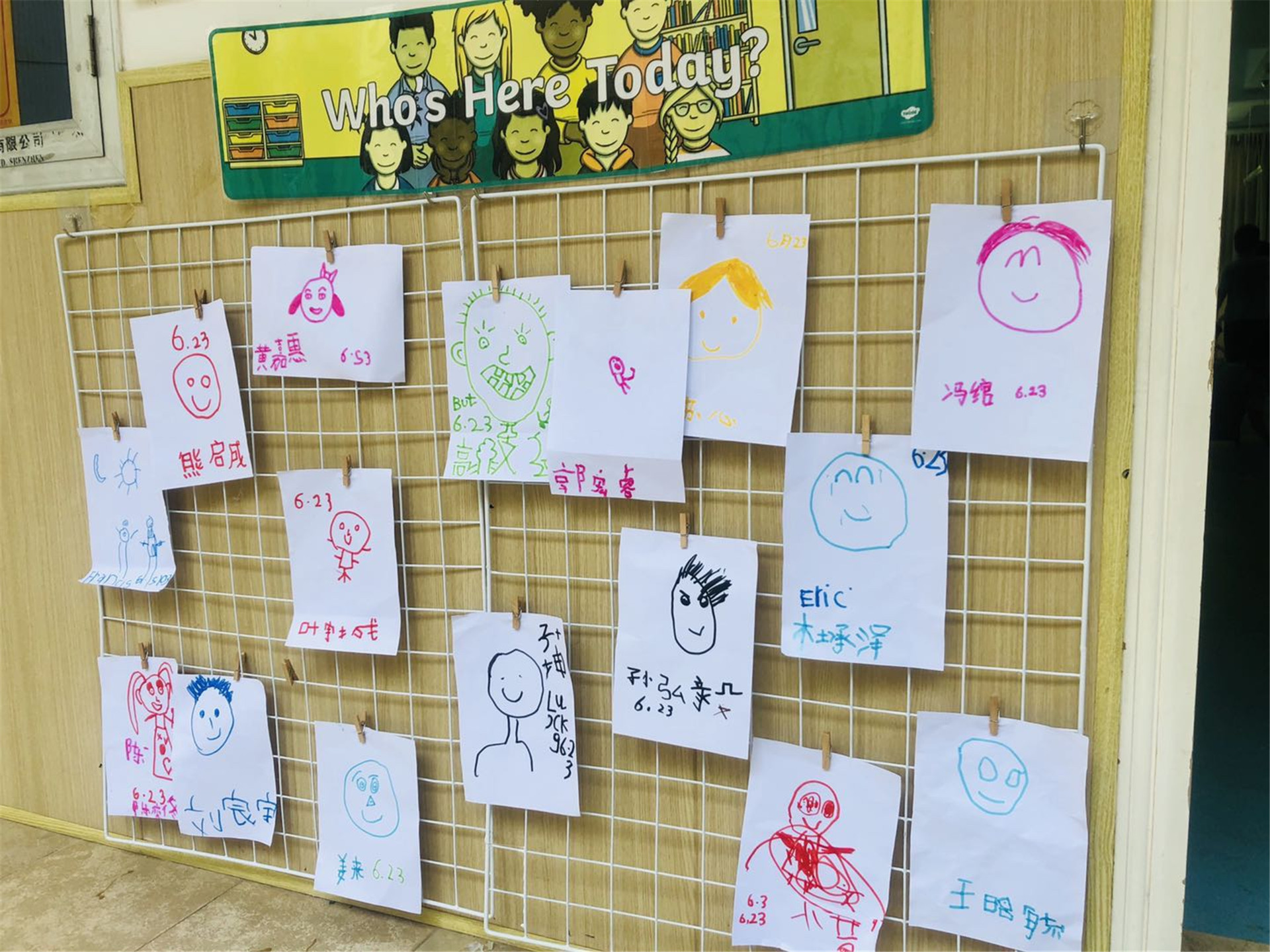
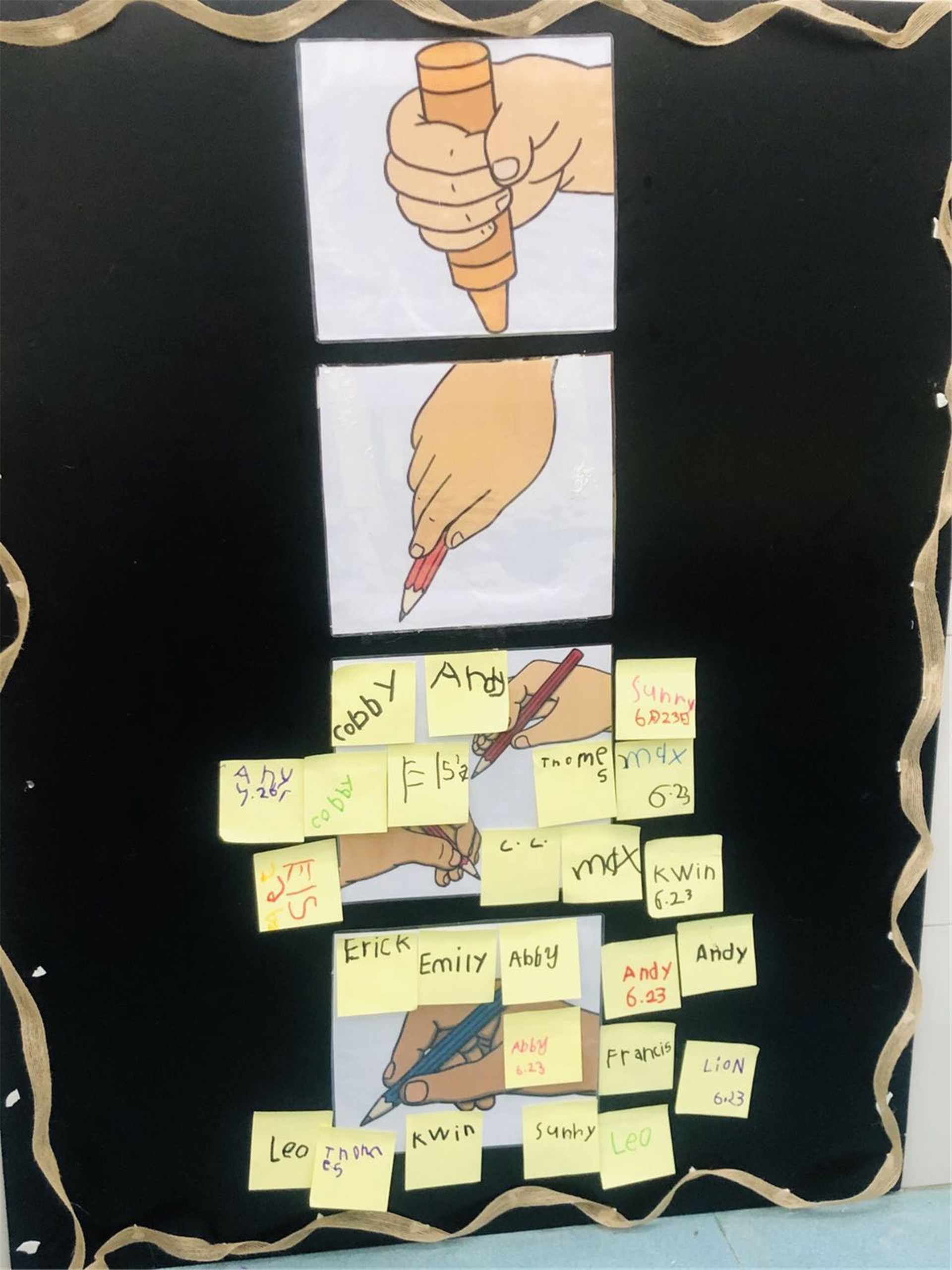
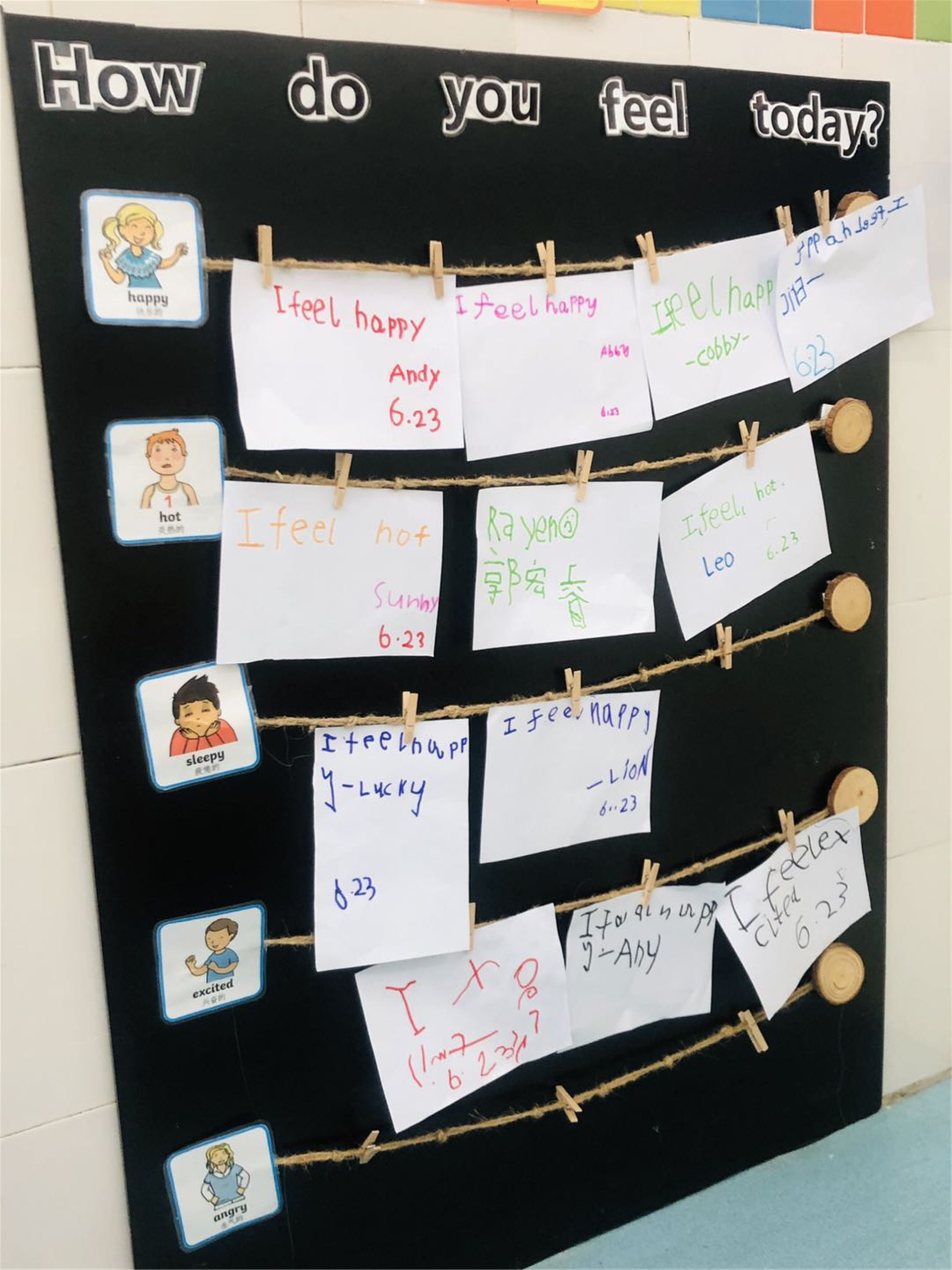
In Crown Dream, we also use some visual methods, such as The Planning Wall and the display wall of children’s pen holding ability, to remind teachers to pay attention to the development differences and to guide the next step of children’s current development goal.
在冠萃,我们也通过一些可视化的方式,例如下一步计划墙、幼儿握笔能力展示墙等方式,时刻提醒老师关注每个幼儿的发展差异,有针对性、有目标地对孩子当前亟待发展的方面进行下一步引导。
“Learn Through Play”
“玩中学”
Every child is born with the desire and ability to learn. They continue to interact with the people and the world around them actively. However, such learning and development cannot happen spontaneously. The premise of learning and development is that each unique child has the opportunity to contact a favorable environment and establish positive interpersonal relationships.
每个孩子都天生具备学习的欲望和能力,他们持续积极地与周边的人和世界互动,然而这样的学习和发展并不能自动发生。学习和发展的前提是每个***的孩子都能有机会接触有利的环境并建立积极的人际关系。
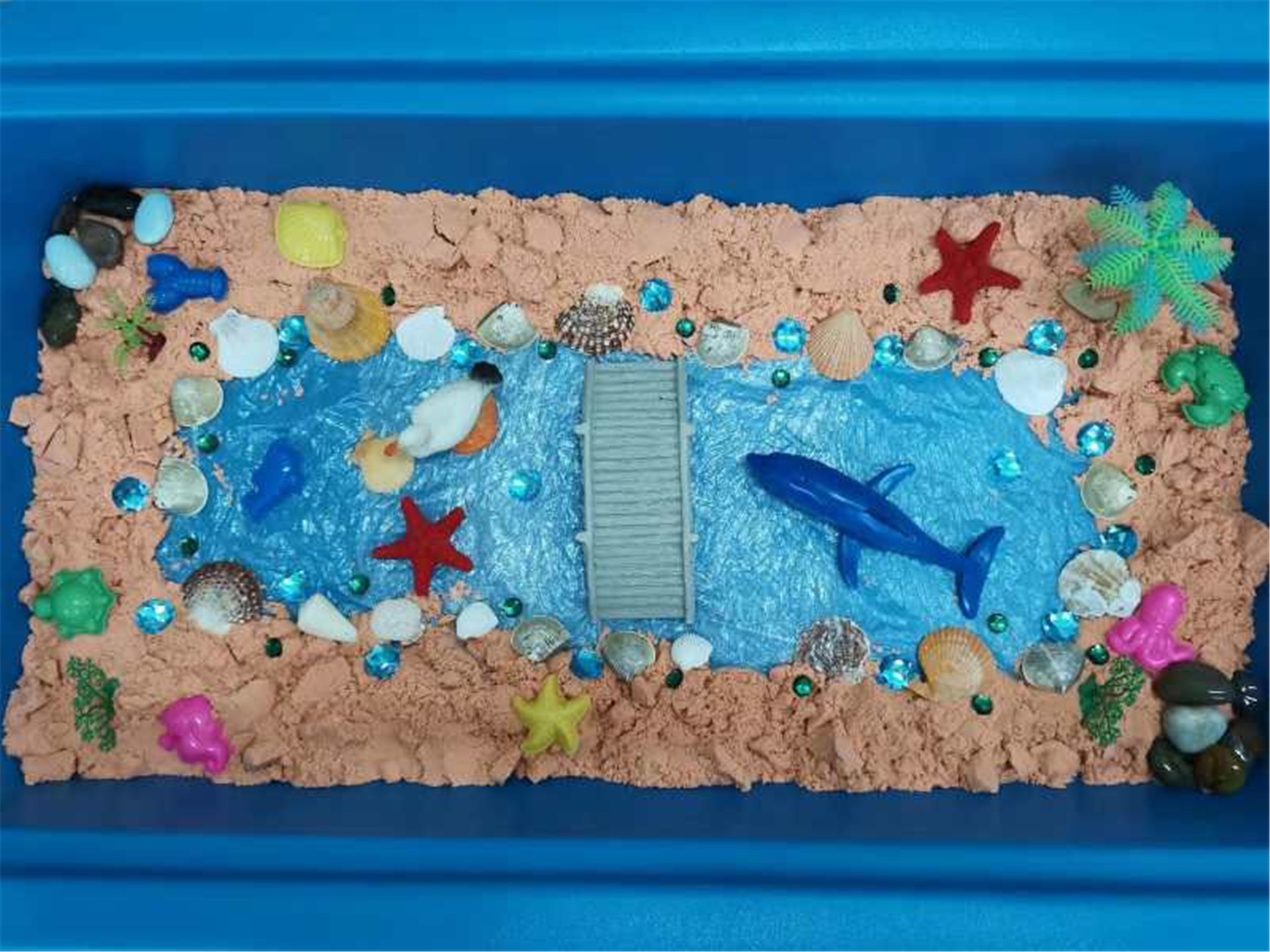
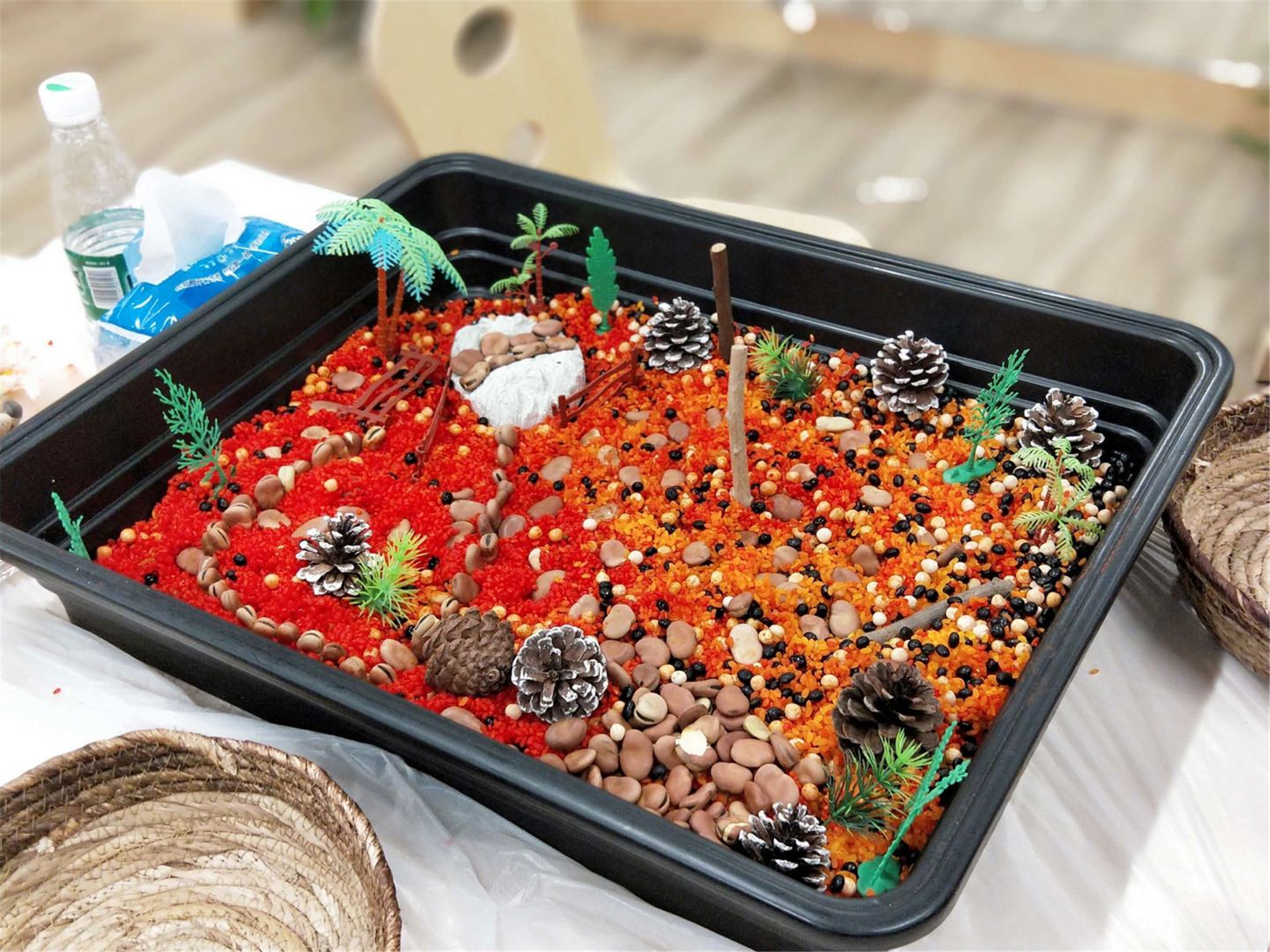
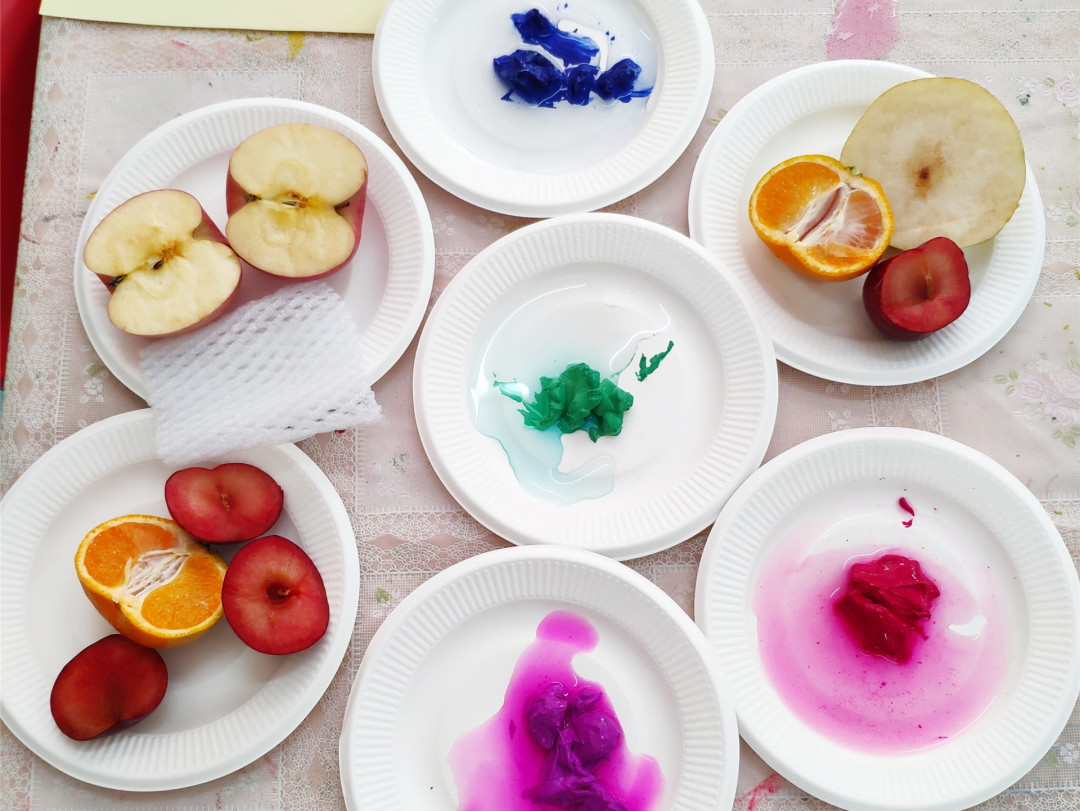
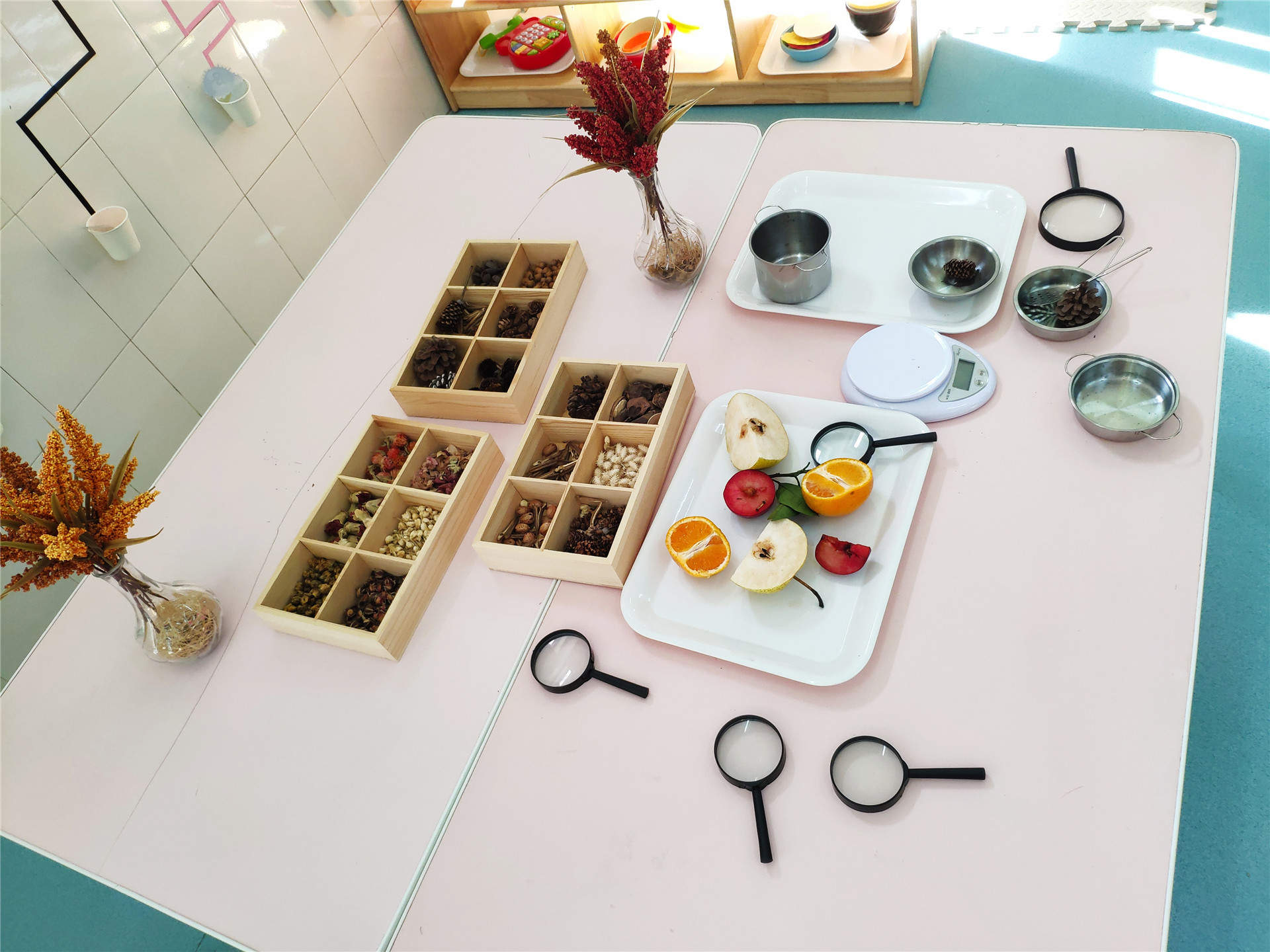
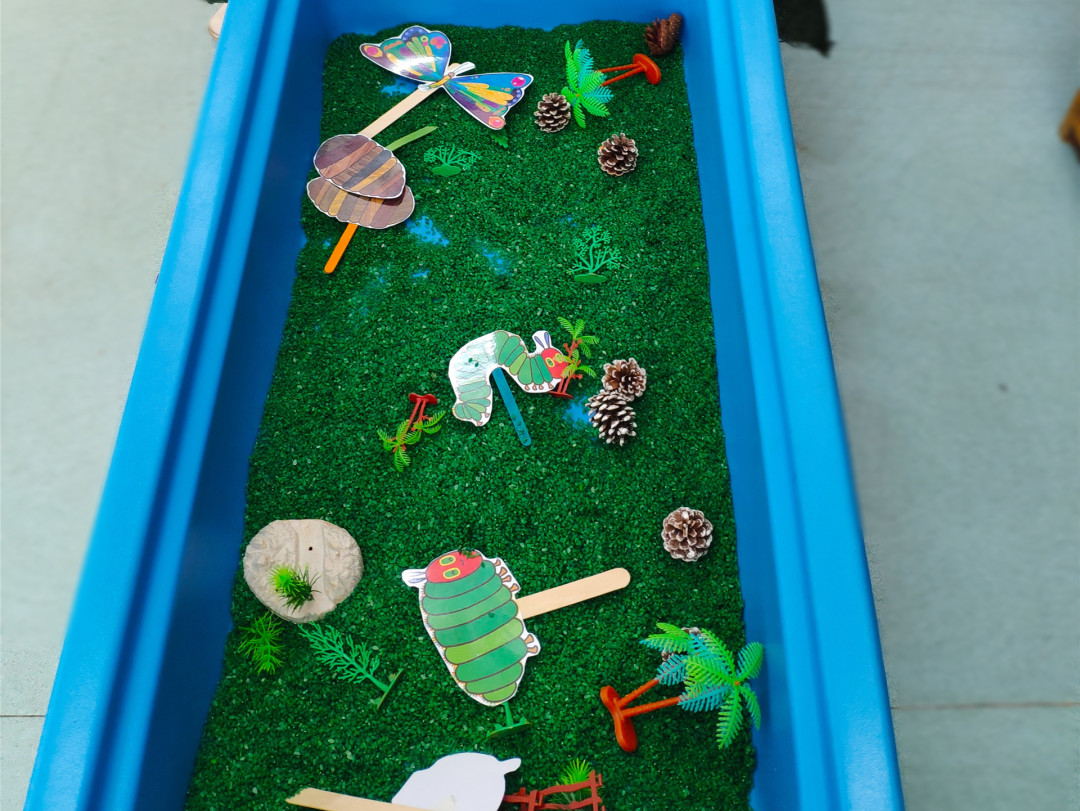
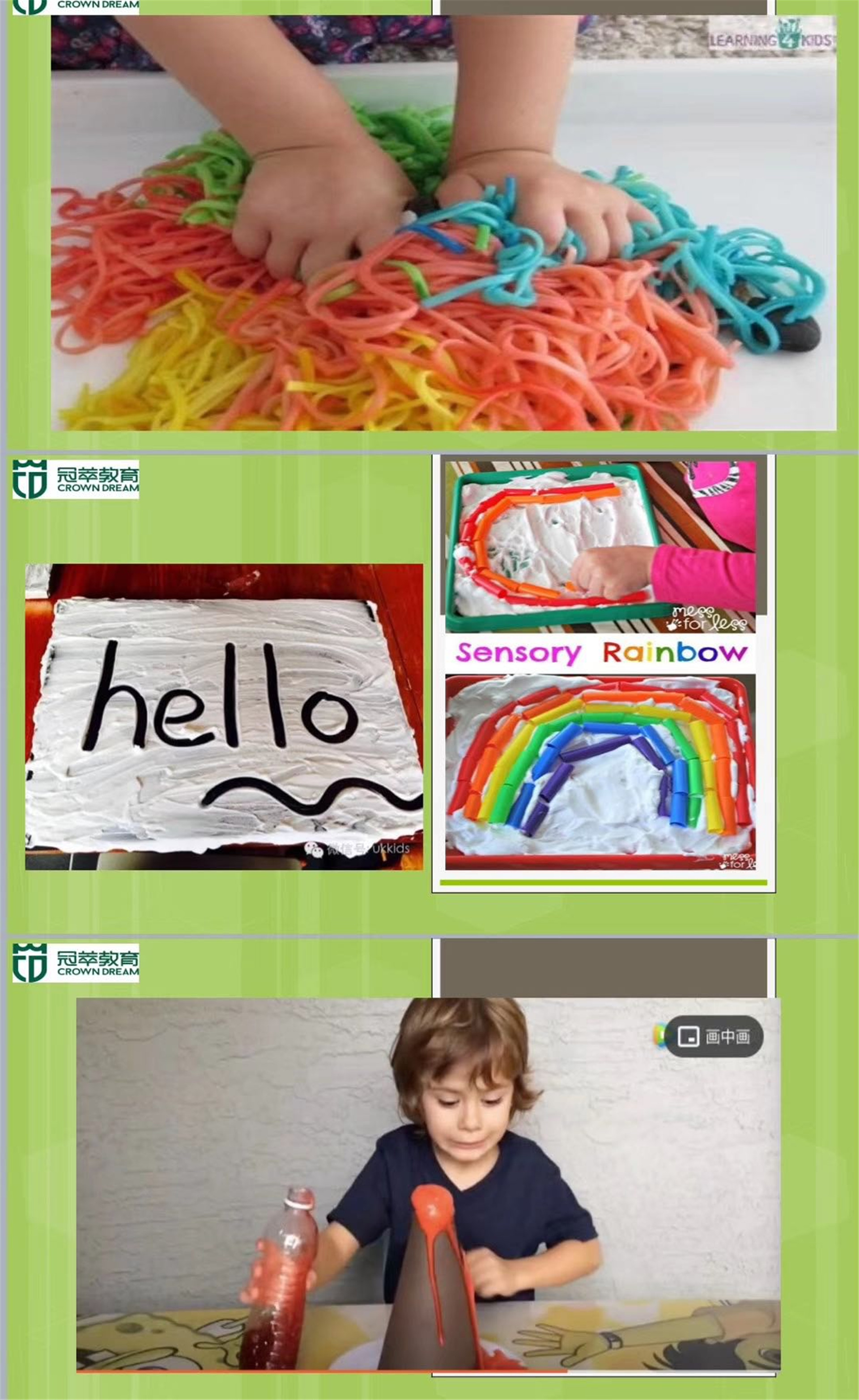
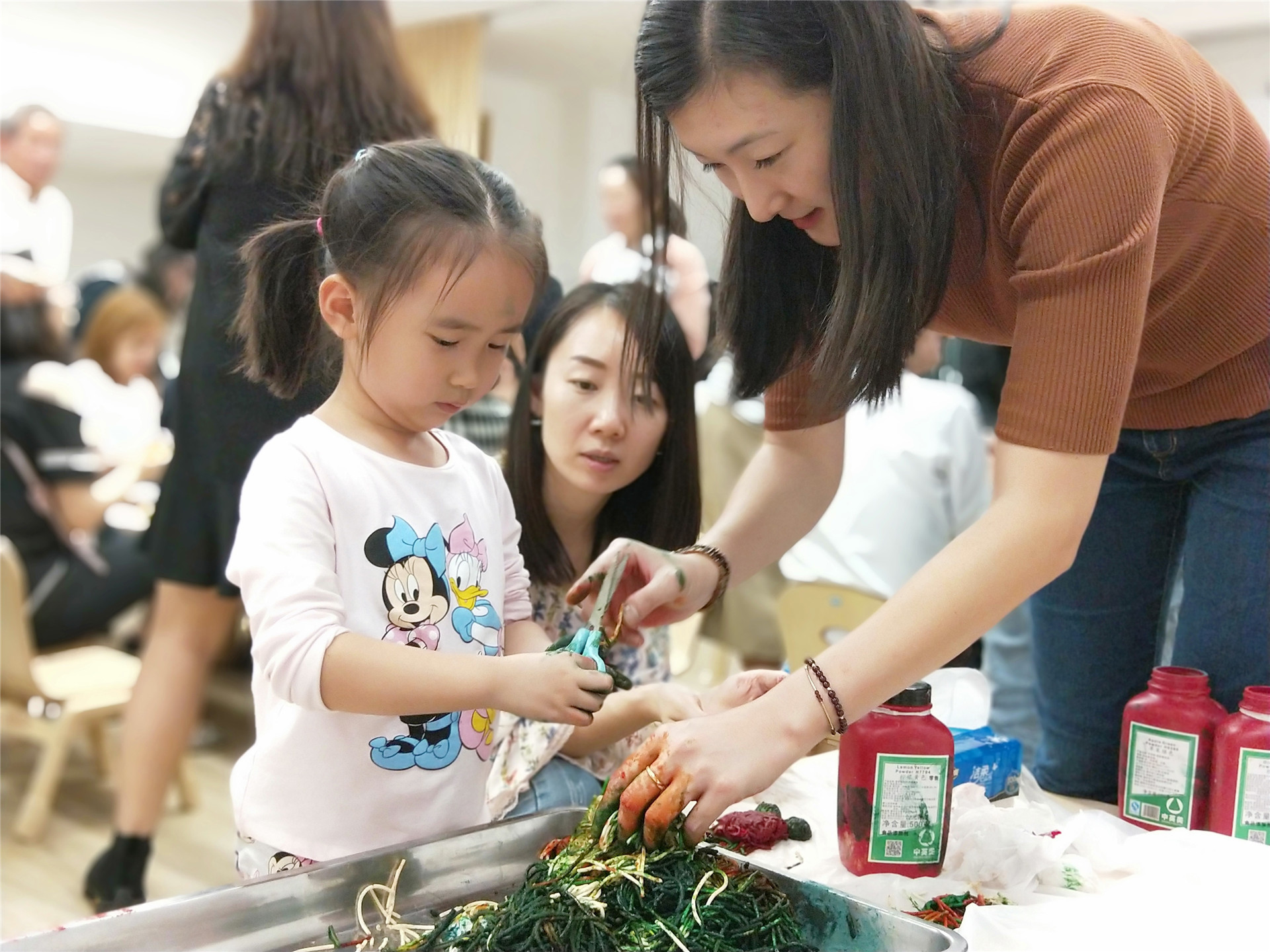
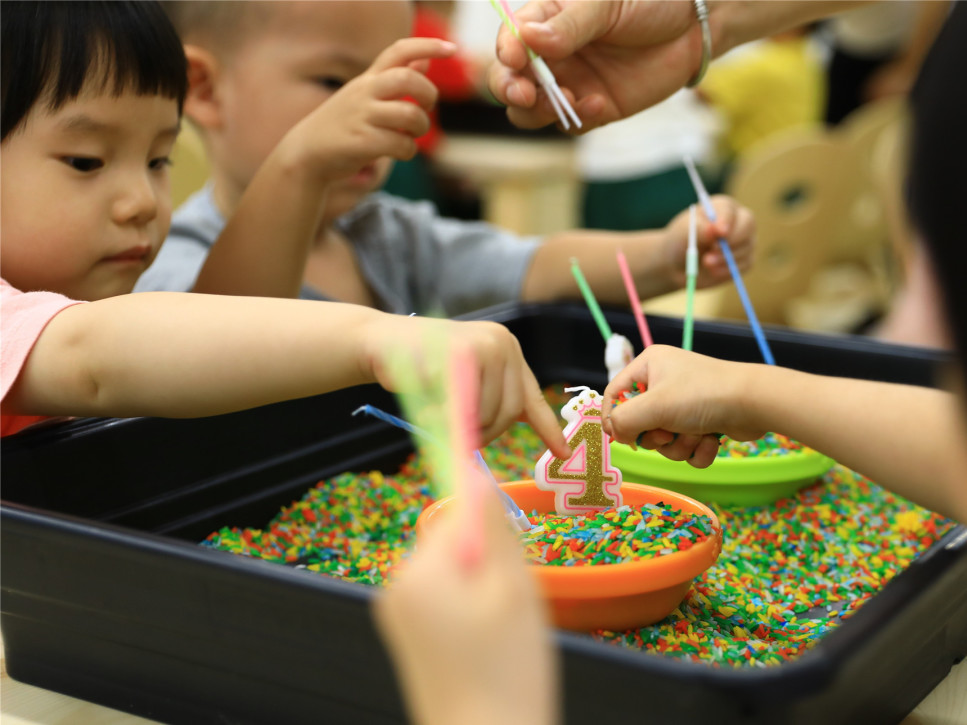
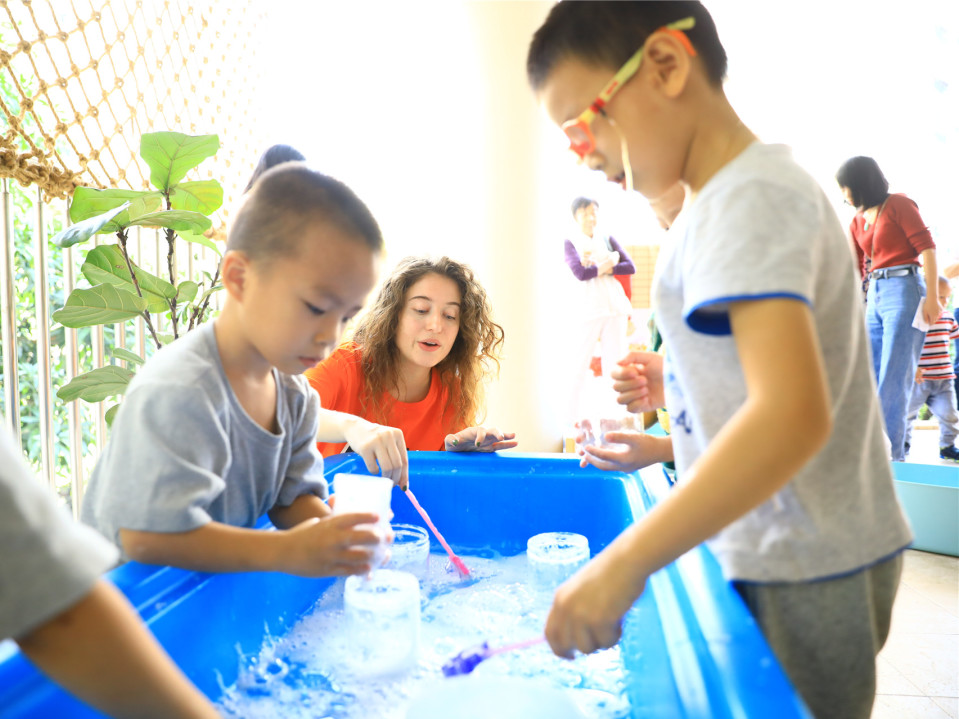
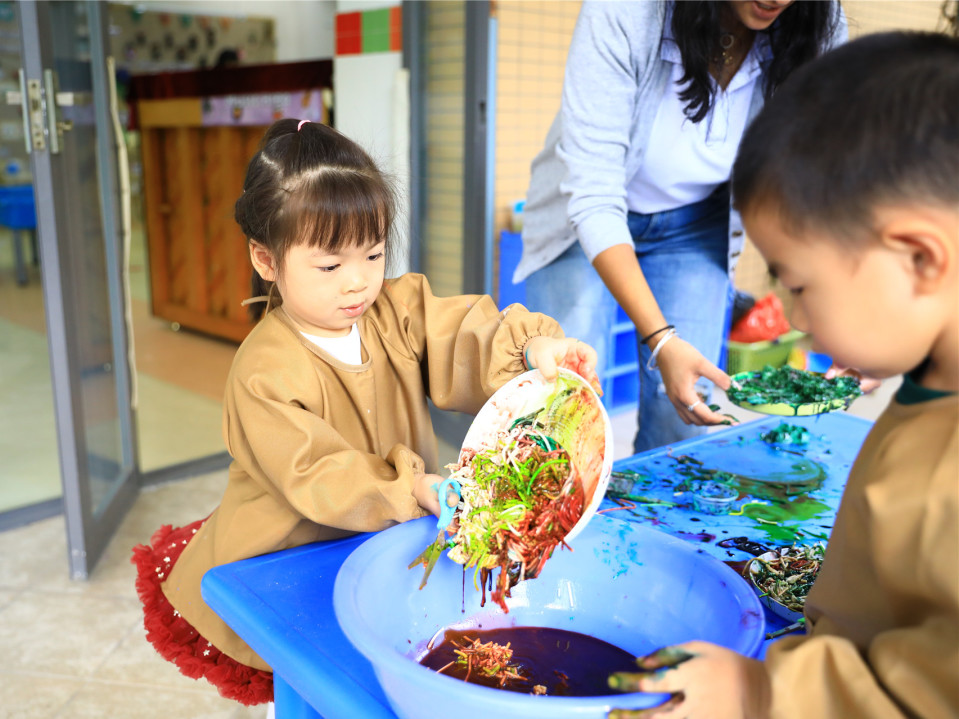
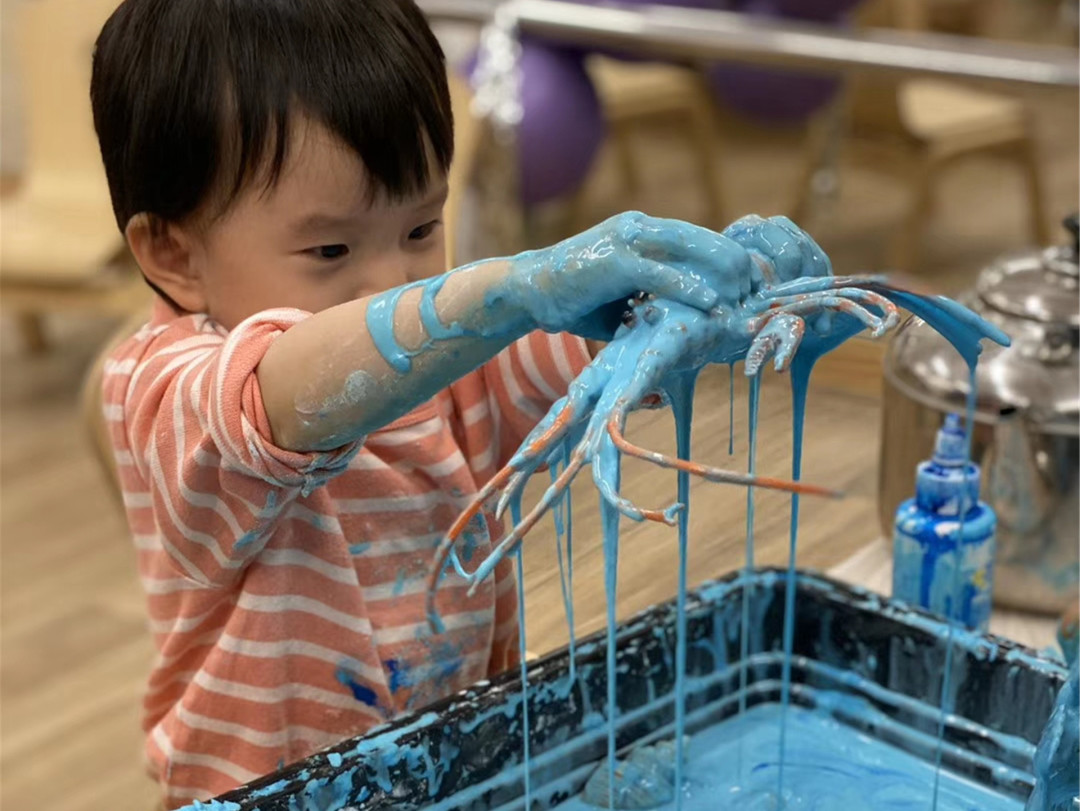
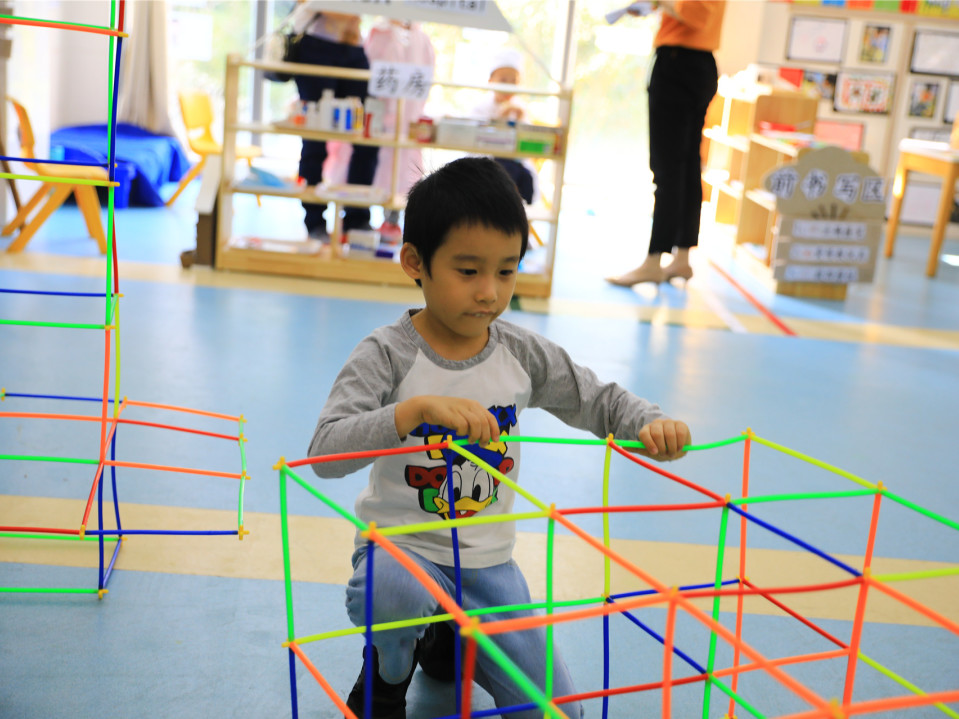
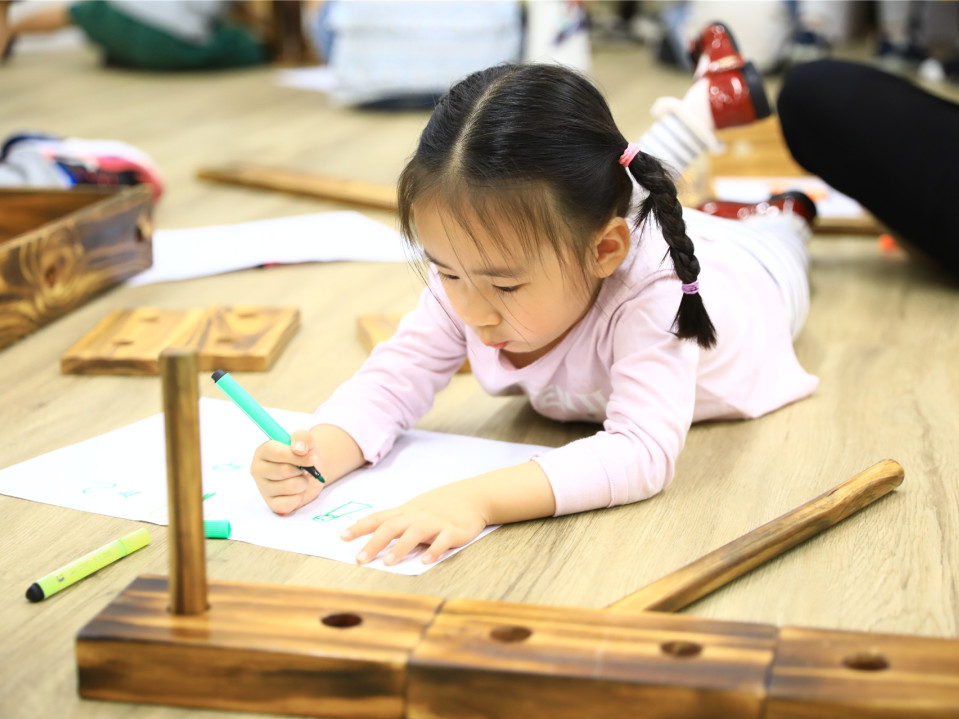
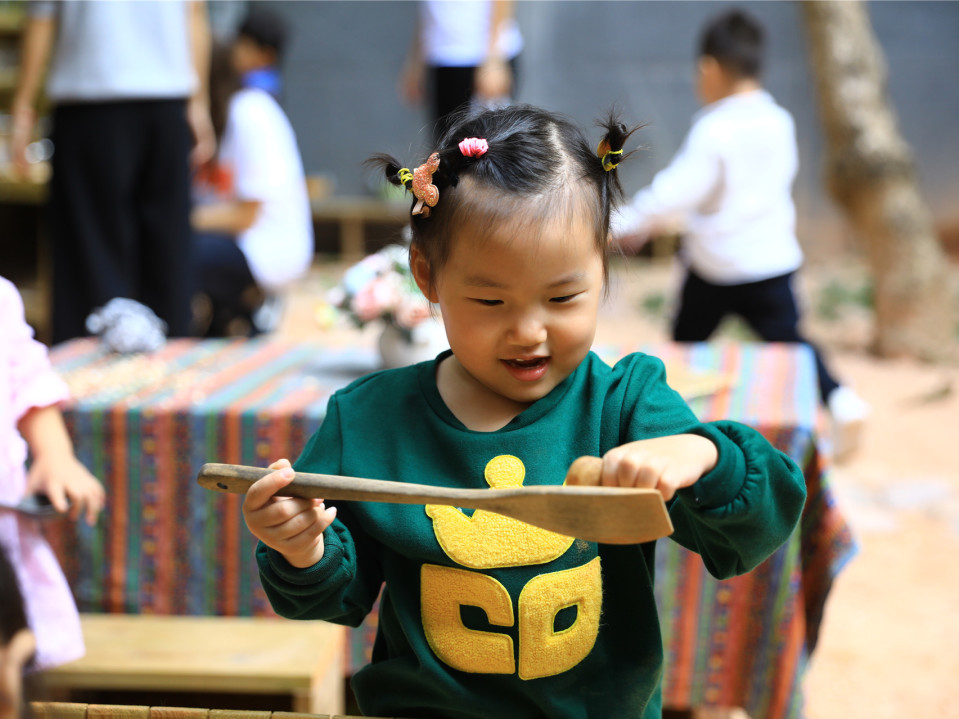
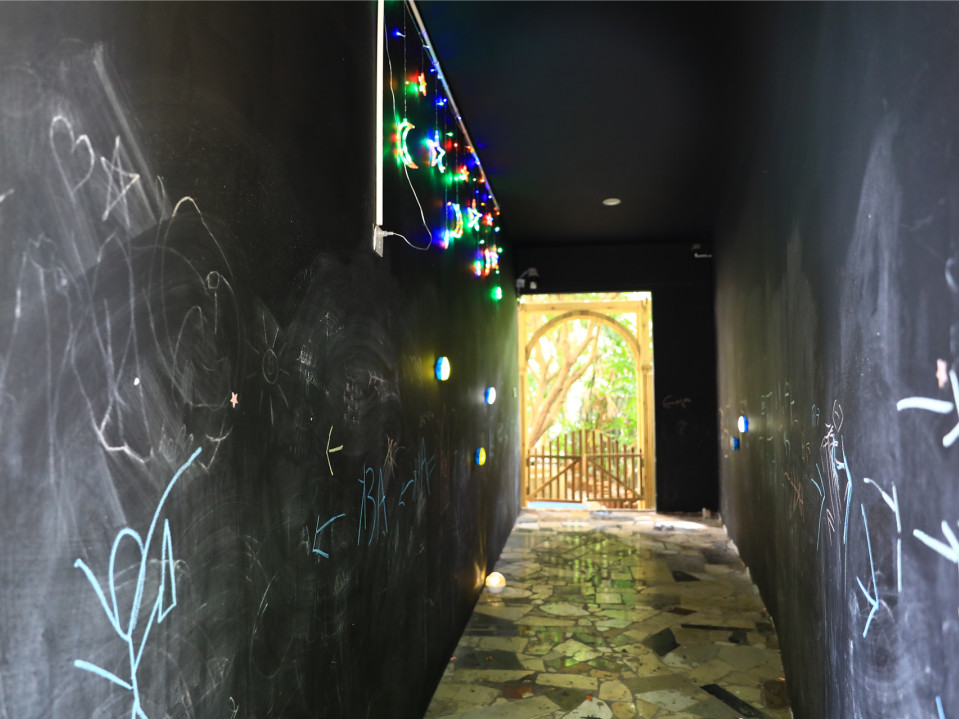
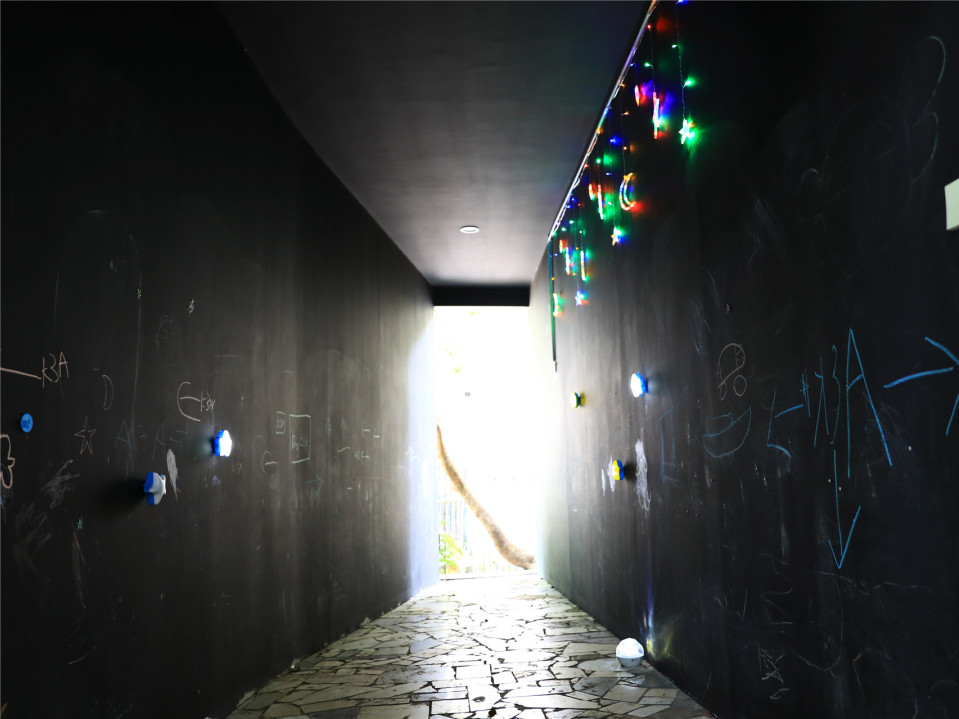
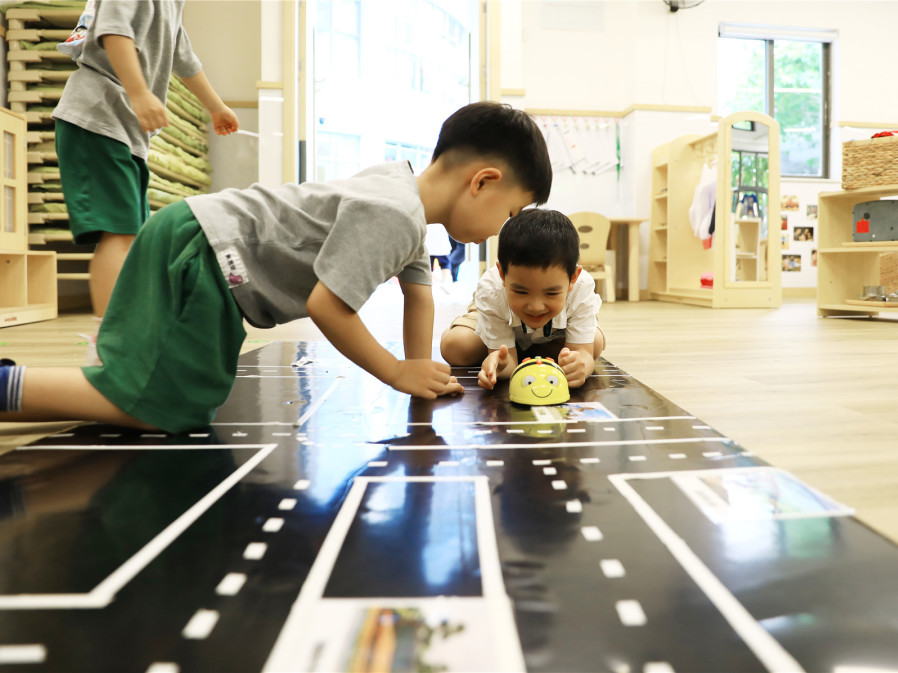
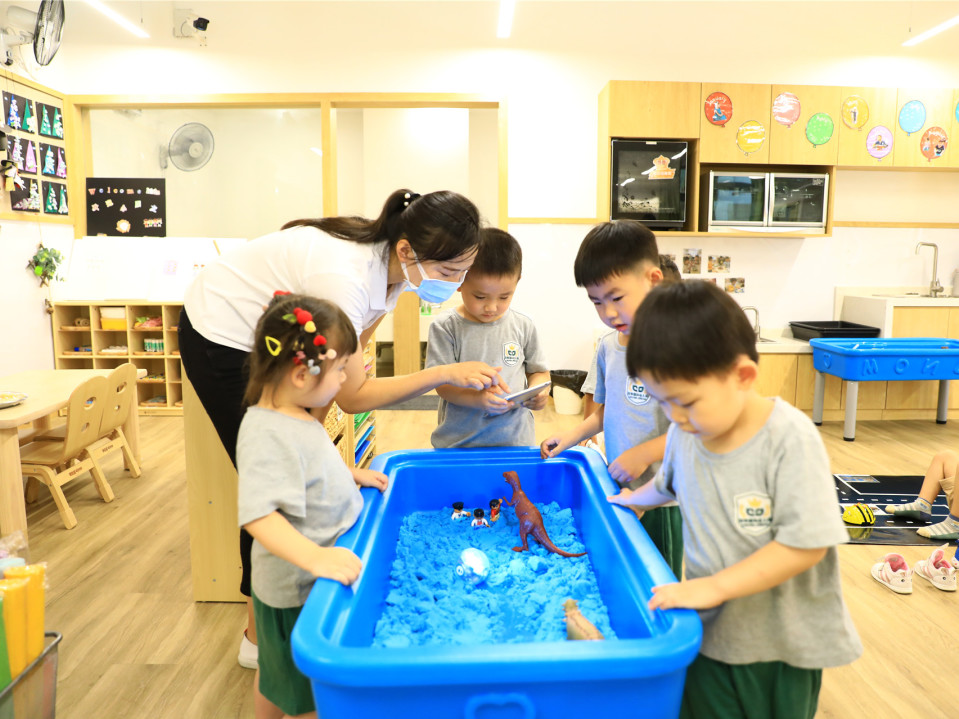
Game is a unique and effective way for children to learn. EYFS encourages young children to "learn through play", allowing children to learn actively and explore the world from games and play. But "playing" does not mean playing aimlessly and disorderly, but based on the developmental goals and age characteristics of young children, and planned, prepared, and purposeful play that met the learning goals. Even though those electronic devices that made parents worried, we are able children to play with rules and low-structure materials; even though those dirty mud that adult does not like, e.g., sand and dead leaves, we can still provide children a whole new experience.
游戏是孩子独特且有效的学习方式。EYFS提倡让幼儿“玩中学”, 也就是让孩子从游戏和玩乐中去主动学习和探索世界。但“玩”并不是指毫无目的、乱无章法地玩,而是基于幼儿的发展规律和年龄特征,结合发展目标有规划、有准备、有目的地玩。即便是让家长深感忧虑的电子产品,我们也能通过制定规则、结合低结构材料,让孩子玩出花样;即便是成人们觉得脏兮兮的泥巴、沙子和枯枝树叶,我们也能让孩子玩出全新的体验。
▲向左滑动查看更多
▲向左滑动查看更多
Each child is a unique star and has its unique light. Although they cannot be dazzling at all times, as long as we strongly believe that they will use their unique ways to bloom and shine! Let us look forward to it together!
每个孩子都是一颗***的星星,都拥有自己的独特光芒,尽管不能时刻耀眼夺目,但只要我们坚信,他们就一定会在用自己独特的方式,绽放自己的光和亮!让我们一起期待吧!
END
▲ 其他机构、私人不得擅自转载文中任何图片,
如文中肖像者本人或监护人对照片使用有疑问,
请留言联系我们,谢谢!
文章推荐
 :
 :hello@crowndream.cn


